As an Amazon Associate, we earn from qualifying purchases. Some links on this site are affiliate links at no extra cost to you. Our recommendations are based on thorough research and editorial judgment.


Organic Weed Control Methods for Chemical-Free Gardens

Organic weed control relies on multiple tactics to prevent seeds and sprouts. Dense planting and 2–3 inch mulch layers block light, reduce moisture loss, and suppress seedlings. Cardboard or newspaper under mulch acts as a biodegradable barrier, breaking down to feed soil. Use clear plastic solarization for 4–8 weeks or opaque tarps for faster occultation. Apply corn gluten meal in early spring as an organic pre-emergent, and hand-pull or use targeted boiling water for escapes, then continue for practical protocols.
Key Takeaways
- Dense planting and tight spacing suppress weeds by limiting light and resources for seedlings.
- Apply 2–3 inches of organic mulch over cardboard/newspaper to block light and retain moisture.
- Use soil solarization or opaque tarps for 4–8 weeks to kill weed seeds and soil pests naturally.
- Hand-pull young weeds, use tools (stirrup hoes, dandelion forks), and monitor beds twice weekly.
- Employ targeted watering (drip/soaker hoses) and corn gluten meal pre-emergent in early spring to reduce germination.
Laying the Foundation for a Weed-Free Garden
You may be interested


While establishing a healthy planting scheme often seems simple, dense beds can crowd out weeds by limiting space, light, and nutrients available to unwanted plants. Dense planting is an Effective Weed Control strategy. It reduces bare soil where weed seeds germinate, and shades seedlings within two to three weeks. A no-till, organic method improves soil structure by layering compost and 2–3 inches of mulch, which adds organic matter and retains moisture. Solarization can complement these steps; clear plastic left for 4–8 weeks during peak sun kills many seeds and pests. Regular monitoring matters. Hand weeding, or targeted use of boiling water or vinegar, removes escapes promptly. Together these practices form a practical foundation for a resilient, low-weed garden. Additionally, using weather-resistant duct tapes can secure garden structures or repairs, ensuring they withstand various climate conditions.
Smothering Weeds With Mulch and Paper
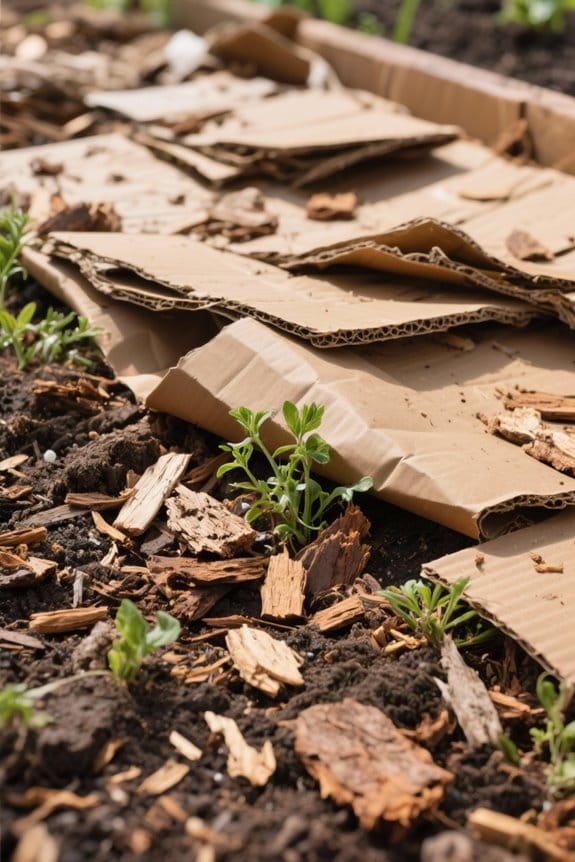
Start by laying a 2–3 inch layer of organic mulch to smother emerging weeds. Mulch can be straw, grass clippings, or shredded leaves, applied evenly to block light and reduce germination. Place cardboard or several layers of newspaper beneath the mulch as a weed barrier; overlap edges by 6 inches to prevent gaps. This paper breaks down and adds organic matter, improving soil structure over seasons. Mulch also aids in retaining soil moisture, lowering irrigation needs and stabilizing root temperatures for plants. Refresh mulch annually or semi‑annually, topping up when material thins to maintain a 2–3 inch depth. Organic mulches host beneficial insects and microbes as they decompose, contributing nutrients and long‑term garden health while suppressing weeds. For added UV protection, consider using materials that block significant sunlight, such as those used in boat shade sails, to prevent further weed growth.
Recommended Products

ECO FRIENDLY (100% BIODEGRADABLE): Made from cardboard, zero plastics were used in production of Sandbaggy Garden Paper. They're made right here in the USA!
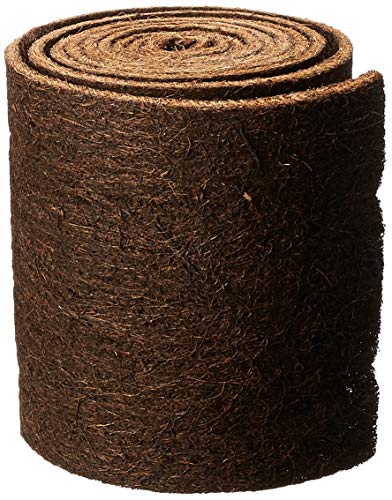
Targeted Weed Control for Garden Borders - Designed specifically for edging zones, this 9-inch wide weed mat creates a strong barrier between lawns and flower beds to block grass and weeds from spreading into planting areas.
Soil Solarization and Silage Tarping Techniques
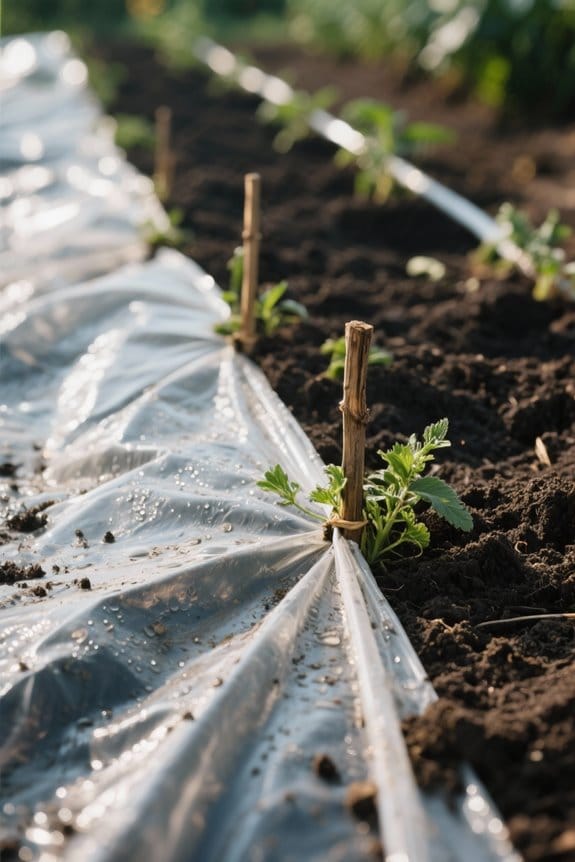
When gardens are crowded with persistent annual weeds, soil solarization can come to the rescue as an effective, chemical-free option. Soil solarization uses clear plastic laid over moist soil for 4–8 weeks in peak sun to trap heat, killing weeds and pathogen spores in the top 1–2 inches. It improves soil health by breaking down organic matter, increasing nutrient availability for future planting. Silage tarping, also called occultation, uses an opaque tarp to smother vegetation for several weeks, often requiring less time than repeated tilling. Both methods reduce weed populations and limit soil disturbance, preserving microbial life. Practical steps include irrigating before covering, sealing edges with soil, and monitoring tarp integrity during the treatment period. For weed puller tools, ergonomic features such as adjustable handles and rubber grips enhance comfort and reduce strain during prolonged use.
Recommended Products

✅[4 YEAR UV ] UV resistant for prolonged sun exposure and creates an optimum greenhouse environment.

Polycarbonate greenhouse Panels Strong Weather Resistance: Outdoor Clear Polycarbonate greenhouse Panels are engineered for superior durability and long-term outdoor use. These Acrylic Plastic garden Sheet Roof Panels effectively block snow, rain, and harmful UV rays, protecting Sheds, Carports, and Partitions while maintaining structural integrity and clear visibility in all weather conditions.
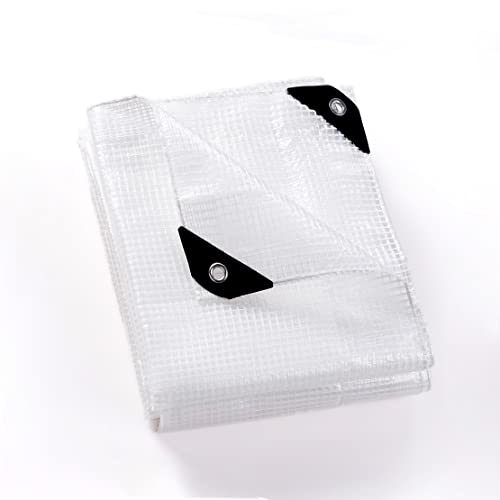
10mil Thick Heavy Duty Double-sided White Garden Clear Tarp.
Landscape Fabric and Other Physical Barriers
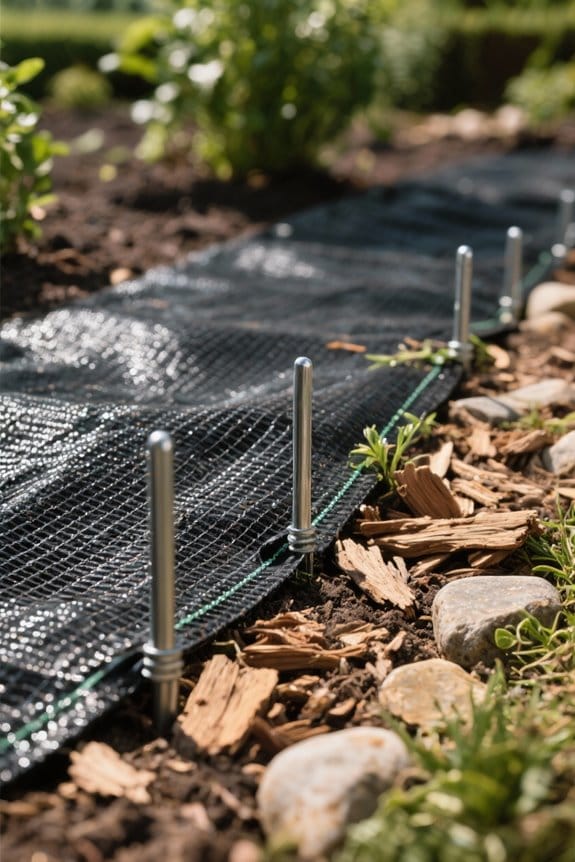
After using heat or opaque tarps to reduce weed seed banks, gardeners often turn to physical barriers for long-term suppression. Landscape fabric acts as a woven or spunbond polypropylene sheet, blocking sunlight to prevent germination while allowing water and air through. Install fabric with 4–6 inch overlaps and secure with U-shaped pins every 2–3 feet to resist wind. Create planting holes by burning or cutting precise openings around stems, keeping edges tight to avoid gaps where weeds appear. Biodegradable weed barrier options, like jute or burlap, come in 1–3 oz/yd² densities and decompose in 12–36 months, adding organic matter. Monitor seams and holes monthly; remove intruders promptly. Properly applied fabric reduces manual weeding in perennial beds and shrub areas. Ergonomic features for enhanced user experience in landscape tools reduce fatigue during long gardening sessions, making the task more comfortable and efficient.
Recommended Products

THE LONGEST & STRONGEST STAPLE ON AMAZON: Manufactured using tough 8 gauge thick steel, these staples will pierce through the hardest and toughest soils. The long 12 inch length ensures that the staple stays secure even in the toughest conditions. Dealing with sandy soil? No problem.

15 ft Wide Landscape Fabric: Extra wide 15 ft weed barrier fabric is ideal for large landscaping projects, gravel driveways, garden rows, greenhouses, nurseries, parking areas, and broad weed control coverage with fewer seams.
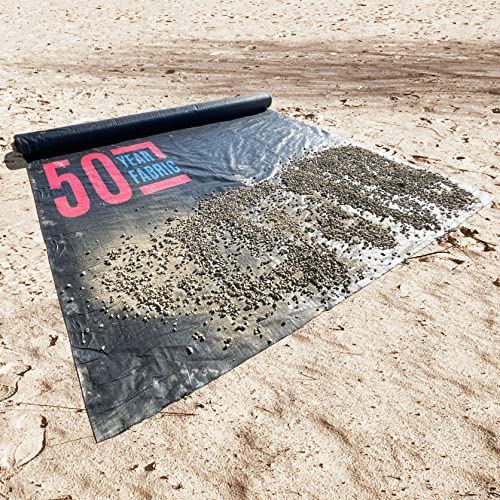
STOP HAVING BUMPY & UNSTABLE ROADS - Add Sandbaggy Woven Geotextile fabric as an underlayment underneath pavers or gravel and your road will be stabilized. No more bumpy roads from now on! We've also been written up by FOX, Daily Herald, MarketWatch and other news outlets for leading the industry
Pre-Emergent Organic Options and Corn Gluten
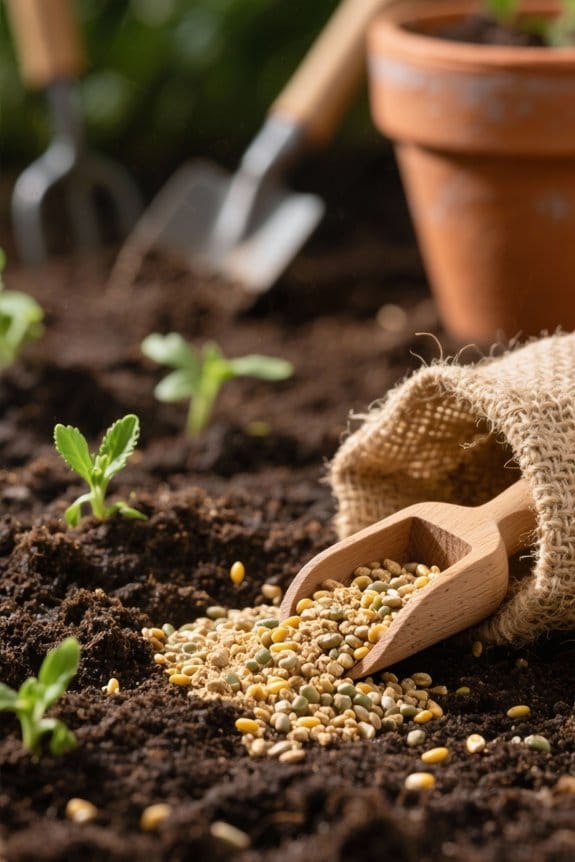
Although pre-emergent organic options require precise timing, corn gluten meal often comes to the rescue for gardeners seeking a natural barrier. Gardeners apply corn gluten meal before soil temperatures trigger weed seeds to germinate, typically early spring. It inhibits root development and reduces annual weeds like crabgrass by about 80% when timed correctly. Use 20 pounds per 1,000 square feet for effective coverage, spread evenly and lightly raked into the topsoil. It also supplies nitrogen, acting as a mild fertilizer while suppressing unwanted seedlings. Caution is necessary because corn gluten meal can prevent desirable seed germination, so avoid freshly seeded beds. Repeat applications follow seasonal monitoring, aligned with local germination cues, to maintain an organic preventive program. For superior corrosion resistance, 304 stainless steel is an excellent choice for gardening tools used in maintaining chemical-free gardens.
Recommended Products

Snapshot 2.5 boasts more control than any other pre-emergent herbicide on the market

CONTAINS: Espoma Organic Weed Preventer Plus Lawn Food is made from 100% corn gluten meal. No sludges or toxic ingredients.

Homemade Post-Emergent Sprays and Boiling Water
Several simple mixtures and techniques can come to the rescue for gardeners tackling visible weeds. A common homemade post-emergent sprays recipe uses four cups apple cider vinegar, half a cup salt, and one teaspoon liquid dish soap, applied on a dry, sunny day to speed desiccation of leaves. Regular household vinegar (5% acetic acid) works on broadleaf weeds, while horticultural vinegar (20% acetic acid) is stronger and must be handled with care. Boiling water is another option; pour directly onto young, shallow-rooted plants to rupture cells and cause rapid wilting. For persistent weeds, reapply the vinegar spray to visible foliage until roots decline, and expect multiple treatments during the growing season to effectively control weeds. For those looking to maintain a pristine garden, dandelion weeders from reliable brands can effectively remove invasive weeds without resorting to chemical methods.
Recommended Products
NON-STAINING - FAST ACTING - SEE RESULTS IN HOURS

Concentrated vinegar used in place of environmentally harmful chemicals.

Simply mix Harris 30% Vinegar with water to create versatile, custom-strength solutions you can use indoors and out. Mix a spray bottle for cleaning surfaces, treating stains, and deodorizing unwanted smells, pour a gallon for cleaning floors, or fill a tank sprayer to wash fences and driveways.
Thick Planting, Groundcovers, and Companion Strategies
Once surface weeds are controlled with spot sprays or boiling water, gardeners can suppress new growth by crowding desirable plants to block light. Thick planting means spacing seeds or transplants closer than usual, for example sowing lettuce rows 6–8 inches apart instead of 12, creating a dense canopy that shades soil and limits weed germination. Ground cover species like clover or creeping thyme come to the rescue, seeded at recommended rates (1–2 oz/100 sq ft), competing for nutrients and retaining moisture. Companion planting pairs, such as beans with corn, improve biodiversity and soil health, reducing weed niches. Living mulches like buckwheat or vetch should be grown between rows and tilled in at flowering, adding organic matter and aiding nutrient cycling. For effective weed removal, consider using tools like the Grampas Weeder Stand Up Weed Puller which are designed to extract weeds without bending, promoting a back-friendly gardening experience.
Regular Monitoring, Hand-Pulling, and the EXHAUST Method
When gardeners check beds at least twice a week they spot young weeds before roots deepen and seeds set. Regular monitoring keeps tasks small, five minutes daily can prevent large pulls later. Hand-pulling removes whole plants, roots included, to limit regrowth, use gloved hands or a dandelion fork for taproots. The EXHAUST method comes to the rescue for persistent perennials, cut leaves to within 1–2 cm of crown regularly, depriving foliage of sunlight and reducing stored carbohydrates. Rotate short sessions across beds, 10–15 minutes twice weekly for larger areas. Preserve soil structure by avoiding excessive digging, loosen compacted cores with a narrow tined tool instead. Vigilance reduces chemical reliance, sustains beneficial organisms, and keeps beds manageable with predictable effort. For those hanging lightweight items, consider using appropriate Command strips that are designed for such weights, ensuring damage-free attachment and easy removal.
Watering Smart to Starve Out Weeds
How can watering be used as a weed-control tool in vegetable beds? Drip irrigation and soaker hoses deliver 1–2 gallons per hour directly to root zones, minimizing surface moisture where seedlings germinate. Targeted water reduces weed growth, while supplying crops with consistent moisture, about 0.5–1 inch per week depending on crop and soil. In hot months, shorten irrigation duration and increase frequency to limit excess wetting that favors weeds. Adjust sprinkler arcs and overlap to avoid wetting paths, beds edges, and unused areas that invite weeds. Monitor soil moisture with a probe to 2–4 inches depth and tweak runtimes accordingly. Regular checks balance plant health and weed suppression, helping control unwanted plants without chemicals. Using full spectrum lights can also enhance photosynthesis and support plant growth stages, further aiding in maintaining healthy crops.
Tools, Resources, and Community Tips
Practicality guides tool choice and information sources for managing weeds in vegetable beds. A stirrup hoe or hand cultivator is recommended, with blade widths of 3–6 inches for row work, allowing precise weed cutting without disturbing roots of crops. Local agricultural extensions and websites, such as Oklahoma State University and The Spruce, provide region-specific resources including mulching rates, planting calendars, and pest ID photos. Gardeners can join community gardening groups, attend workshops, and share trial results on forums to refine techniques. Monitor beds weekly, removing weeds at the 1–2 inch seedling stage to prevent seed set. Subscribe to two or three newsletters for updates. Use numbered logs, 1 cm measurements for seedlings, and clear photos to document outcomes. Additionally, manual weeding tools like the GREBSTK Crack Weeder feature ergonomic designs to enhance comfort and reduce fatigue during use, making them ideal for precision weeding in tight spaces.
Frequently Asked Questions
How Do Organic Farmers Control Weeds Without Chemicals?
They use crop rotation, mulching techniques, manual removal and cover crops to disrupt weed cycles, improve soil and suppress germination, and occasionally apply natural herbicides like corn gluten meal while fostering healthy, competitive crops through soil management.
What Weed Killer Is Safe for Vegetable Gardens?
A community gardener reported success using horticultural vinegar as a safe weed killer for vegetable beds. It exemplifies natural herbicides options within vegetable garden maintenance, combining safe weed deterrents like boiling water and diligent hand weeding.
What Is the Most Environmentally Friendly Weed Killer?
The most environmentally friendly weed killer is mulching and preventing seeds; natural herbicides and homemade solutions like vinegar or corn gluten meal complement these eco friendly options, prioritizing soil health, biodiversity, and minimal non-target plant harm.
How to Get Rid of Weeds in an Organic Garden?
A tidy garden bed pictured: they remove weeds by hand weeding techniques, apply mulching strategies (2–3″ organic), maintain soil health with cover crops and compost, solarize or spot-treat stubborn plants — patience prevents recurrence.


