As an Amazon Associate, we earn from qualifying purchases. Some links on this site are affiliate links at no extra cost to you. Our recommendations are based on thorough research and editorial judgment.


The Role of Mulch in Weed Prevention

Mulch acts as a physical barrier that blocks light and slows weed germination. A 2–3 inch layer of organic mulch, like wood chips or shredded leaves, is recommended after settling, while 1–2 inches suits hot, dry sites or gravel mulch. Cardboard or several newspaper layers under mulch smother persistent perennials by preventing shoots. Leave 1–2 inch gaps at plant bases to avoid rot, and replenish every 6–12 months for continuous suppression; more specifics follow.
Key Takeaways
- Mulch blocks sunlight and physically smothers weed seeds, greatly reducing germination and surface weed growth.
- A 2–3 inch layer of organic mulch is optimal for suppressing weeds while allowing air and moisture exchange.
- Placing newspaper or cardboard under mulch prevents perennial shoots from penetrating and increases long-term control.
- Organic mulches decompose, improving soil health, while non-biodegradable mulches (gravel) offer longer-lasting suppression.
- Regular replenishment and timely hand-pulling of survivors maintain mulch effectiveness and prevent reseeding.
Why Mulch Matters for Weed Control
You may be interested


When gardeners want to reduce weeds efficiently, mulch comes to the rescue as a simple physical barrier. Mulch blocks sunlight, so weed seed germination and early growth are sharply reduced. A 2 to 3 inch layer is recommended, measured after settling, to prevent weeds from establishing in the soil. Organic mulch options, like wood chips or straw, also add nutrients as they decompose, improving soil structure over seasons. For stubborn perennial weeds, a layer of newspaper or cardboard beneath the mulch creates a thicker barrier. Mulch decomposes over time, so regular replenishment every 6 to 12 months maintains effectiveness and weed control. Proper application balances thickness with airflow to avoid smothering desirable plants. Durable materials and construction in gardening tools ensure they withstand tough conditions, providing long-term reliability in maintaining a weed-free garden.
Types of Mulch and Their Weed-Suppression Qualities

Although different mulches serve distinct purposes, they all help reduce weed pressure by limiting light and seed contact with soil. Organic mulches like wood chips and leaf mold break down, improving fertility while providing effective weed suppression by blocking sunlight and smothering seedlings. Non-biodegradable options such as gravel and stone chippings offer long-lasting suppression and moisture retention without adding nutrients. Combining types can enhance aesthetics and performance, for example stone borders with organic beds near plants. Energy-efficient LED chips aid in reducing electricity costs and are a part of an integrated approach to sustainable gardening practices. For best results apply mulch without leaving gaps around stems, and maintain a consistent layer of 2-3 inches to prevent germination. Landscape fabric under mulch can amplify control by creating a physical barrier, while periodic topping up of organics replaces lost volume.
Recommended Products
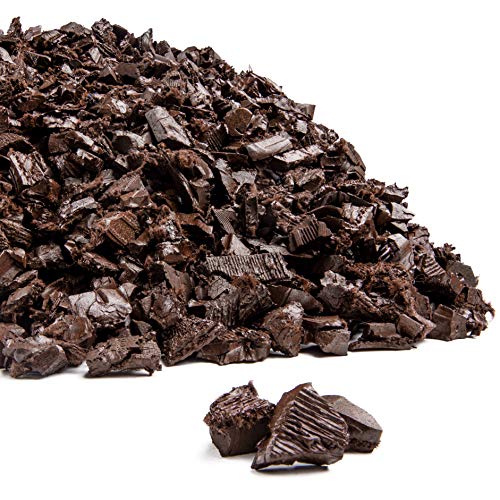
CREATE A SAFER PLAY AREA - Playsafer rubber mulch is IPEMA Certified and helps reduce the risk of injury on playgrounds and play areas
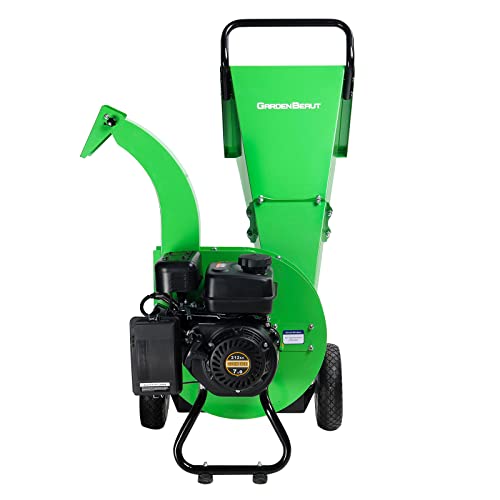
S1 Wood chipper shredder comes with a larger 15.6-inch large cutting rotor, which is more efficent and faster speed than those mini wood chipper. It is equipped with 2 blades and 6 hammers for more consistent speeds and efficient shredding. The efficient feeding speed and the grilling device on the discharge outlet effortlessly transform debris and branch leaves into mulch, enriching your garden with rich organic nutrients.

For planters, plants and trees 1-2 gallons in size (or root ball diameters of about 7 inches to 10 inches) - Soil Moisture Stabilizer - prevents soils from getting too wet (root rot) or too dry (tree suffering). Soil will remain at a healthy, moist level for the plant or sapling to thrive. If the soil seems too dry, look at how the plant is doing or use a moisture meter to measure. Make sure to use potting or garden soil.
How Thick Should Mulch Be for Best Results

A practical rule of thumb is to apply mulch in a layer about 2 to 4 inches thick. This thickness balances weed prevention with water and air movement, protecting the soil surface without suffocating roots. Three inches is often recommended because it forms a reliable barrier that blocks sunlight and reduces weed seeds from germinating. For projects requiring a strong bond, Scotch Permanent Double Sided Tape is ideal for intricate designs and long-lasting results. Layers under 2 inches can allow light through, permitting persistent weeds to establish. Conversely, layers above 4 inches may trap too much moisture and impede air circulation, potentially harming shallow roots. Replenish mulch annually as it decomposes, checking depth each season and adding material to restore the target 2–3 inch operational depth for moisture control and consistent weed suppression.
Recommended Products

【POWERFUL】❶Adopts DUCAR 212cc 7HP recoil starting, 4-stroke, single cylinder, air-cooled, OHV gas-powered Engine. ❷Eeasily handles up to 4" diameter wood or branch.Stable working,long time chipping,suitable for household,farmers,gardener and horticultural workers use.

Shredded rubber mulch looks like real wood mulch

STAYS IN PLACE - Our edging stays securely in place, keeping mulch and other materials from migrating into other areas of your landscape for a pollished look
Using Newspaper and Cardboard Under Mulch

Having settled on a 2–4 inch mulch layer, gardeners can add newspaper or cardboard beneath the mulch to strengthen weed suppression and speed decomposition. Four to six overlapping sheets of newspaper form a dense layer, blocking sunlight and preventing perennial weeds from germinating. Wetting the newspaper helps it lie flat and accelerates breakdown, releasing nutrients into soil over months. Cardboard can come to the rescue for larger areas, smothering existing plants while decomposing into organic matter. Both materials should be covered with 2–4 inches of organic mulch to retain moisture and hide the barrier. If any weeds breakthrough, remove them and patch with additional newspaper or cardboard plus mulch. This systematic approach balances immediate control with long‑term soil improvement. For effective pruning, consider using anvil pruning shears, which are ideal for cutting dry and dead growth efficiently.
Recommended Products

ECO FRIENDLY (100% BIODEGRADABLE): Made from cardboard, zero plastics were used in production of Sandbaggy Garden Paper. They're made right here in the USA!

Twin chambers: Two separate chambers allow one side to finish composting while leaving the other side available to add fresh wastes; Constant alternation of the two sides will create an uninterrupted stream of nutritious compost

BIODEGRADABLE HEAVY-DUTY PAPER: Crafted from 100% natural, unbleached kraft paper, this thickened gardening layer offers durable yet fully biodegradable soil protection. The reinforced cellulose fibers create a robust barrier against wind and debris during garden bed preparation, while maintaining breathability for natural soil respiration. Over time, it decomposes seamlessly into the earth, enriching soil with organic matter.
Best Practices for Applying Mulch Around Plants

When applying mulch around plants, keep the layer between 2 and 3 inches thick to suppress weeds while allowing air exchange to the soil. Use three inches as a practical maximum for most beds, measuring with a ruler to avoid compaction that blocks oxygen. Create a sharp edge around beds with an edging tool to keep mulch contained and tidy. Leave a 1–2 inch gap at plant bases to prevent moisture buildup that can cause root rot. After applying mulch, water the area to help settle material and start weed prevention immediately. For optimal results, consider using a weatherproof adhesive tape to secure protective coverings or barriers around garden beds, ensuring they withstand outdoor conditions. Monitor mulch seasonally, replacing or replenishing thin spots and decomposed material to maintain depth and effectiveness. Follow these steps for consistent garden health.
Managing Weeds in Established Mulch Beds
If weeds appear in established mulch beds, remove them promptly by hand before they set seed. Hand pulling is most effective when soil is moist, roots can be extracted completely, and small taproots are less likely to regrow. After removing existing weeds, apply a granular pre-emergent such as prodiamine or pendimethalin to form a germination barrier, following product rates on the label. Keep weeds suppressed by maintaining mulch at 2 to 3 inches depth, which balances weed control, moisture retention, and air flow to roots. For persistent weeds, targeted glyphosate can come to the rescue but avoid contact with desirable plants. Refresh the mulch every 12 months or when it has decomposed below recommended depth, replenishing with fresh material. Consider using adjustable cutting depths in your landscape edge cutters to maintain clean garden borders efficiently.
When to Use Pre-Emergents and Herbicides With Mulch
After removing existing weeds and revitalizing the mulch, it is time to evaluate chemical barriers that extend control. Apply pre-emergent herbicides before seeds germinate, typically in early spring, to form a soil barrier that prevents annual weeds from emerging. Use products with active ingredient prodiamine or pendimethalin, following label rates of 0.5–1.0 lb ai per acre, or calibrated granular or liquid mixes per manufacturer instructions. Apply herbicide to bare soil, then complete mulch application to protect the barrier and conserve moisture. Expect 5–6 months of weed control, reapply after heavy rainfall or as label permits. Avoid contact with desirable plants; shield roots and stems during application. Follow local guidelines and safety precautions for timing and dosage. When considering the addition of mulch, it’s important to use acid-free and archival-safe options to prevent degradation and ensure the longevity of your display.
Recommended Products

YEAR-ROUND BRUSH CONTROL: This brush control herbicide offers extended control of tough brush, woody plants, and weeds for up to one year, reducing repeat treatments and keeping rangelands, pastures, and wildlife clearings free from unwanted vegetation

Season-long control of every key turf-damaging white grub species

EXCEPTIONAL TURF SAFETY: Proprietary safener Metcamifen in Recognition delivers excellent plant safety on St. Augustinegrass, zoysiagrass, kikuyugrass and buffalograss grown on residential lawns (except in California) and other non-residential turf including airports, cemeteries, commercial buildings, and similar sites.
Mulch Maintenance: Refreshing, Loosening, and Monitoring
Check mulch depth regularly to keep it at an effective 2 to 3 inches. Mulch maintenance matters for weed control and plant health. Inspect beds monthly during growing season, measuring depth with a ruler. Loosen compacted, matted mulch before adding fresh material to restore air flow and water infiltration. Remove crusted layers thicker than one inch, which can repel moisture and harbor pests. Renew organic mulch annually or when decomposition reduces depth below 2 inches, using shredded bark or composted wood chips to a uniform 2–3 inch layer. After renewing, consider applying a pre-emergent like Preen Garden Weed Preventer to come to the rescue, extending suppression and reducing hand-weeding frequency. Monitor regularly and adjust as needed. High-quality stainless steel is preferred for rust resistance and durability when selecting gardening tools.
Dealing With Persistent Perennial Weeds
When perennial weeds persist, gardeners should combine mulching with other control methods for best results. Persistent perennial weeds like yellow nutsedge and field bindweed can penetrate light mulch, so a barrier approach is advised. Lay four to six overlapping sheets of wet newspaper beneath 2–3 inches of organic mulch to smother young shoots, this blocks sunlight and reduces regrowth. Large, established plants often need manual removal or targeted herbicide treatments because roots can be deep and extensive. After pulling weeds, place a single layer of cardboard over the soil, then add 3–4 inches of composted bark to prevent weed growth. Regularly inspect beds, promptly covering visible areas with extra mulch or newspaper to maintain suppression.
Mulch Choices for Different Garden Zones
Persistent perennials often require layering or removal before applying long-term mulches, and selection of the right material depends on climate and site conditions. In cooler zones use 2–4 inches of organic straw or shredded leaves to retain soil warmth and prevent weed germination during short seasons. Warmer climates benefit from 1–2 inches of aged pine bark or cocoa mulch, which suppresses weed growth while slowly improving soil structure. High-moisture garden beds may use 1–2 inches of gravel or stone, permitting drainage and blocking weed seedlings. In arid regions dark-colored mulches, 2–3 inches deep, absorb heat and reduce evaporation, coming to the rescue when irrigation is limited. Choose materials by local climate and plant water needs for best results. For effective pruning, consider using ratchet pruning shears that enhance cutting power and reduce fatigue during gardening tasks.
Environmental and Soil Benefits of Organic Mulches
Although often overlooked, organic mulches provide multiple environmental and soil benefits that support plant health. Mulch layers of 5–10 cm reduce evaporation by up to 50%, improving moisture retention and cutting irrigation needs. They moderate soil temperature swings, shielding roots during heat and frost, and aid soil preparation by gradually adding organic matter. As wood chippings, leaves, or grass clippings decompose, they release nitrogen, phosphorus, and potassium, at roughly 0.5–1.5% nutrient concentrations, improving fertility and structure. Enhanced microbial activity follows, increasing nutrient availability and root health. Organic mulches also suppress weed growth, reducing competition for water and nutrients and letting desired plants thrive. Apply a fresh 5 cm top-up annually, avoid compacting layers, and keep mulch 5 cm from stems to prevent rot. Using Cape Cod weeders can further minimize reliance on chemical herbicides, complementing the eco-friendly approach of organic mulching.
Frequently Asked Questions
Does Mulch Really Prevent Weeds?
Yes; mulch effectiveness is substantial: it suppresses weed growth, aids garden maintenance, preserves soil moisture, and offers landscaping benefits. It reduces but does not eliminate weeds, requiring periodic monitoring and supplemental control measures.
What Is the 3-3-3 Rule for Mulch?
The 3-3-3 rule for mulch is: apply 3 inches mulch thickness, keep 3 inches gap from plant bases, and check/replenish every 3 months. It guides mulch applications, organic mulch choices, mulch types and mulch benefits.
How to Use Mulch as a Weed Barrier?
Apply organic mulch benefits by layering 4–6 newspapers, then applying mulch thickness guidelines of 2–3 inches. The detached gardener uses applying mulch techniques, waters first, leaves plant gaps, monitors seasonal mulch care for weed seed suppression.
What Is the Best Material to Suppress Weeds?
The best material to suppress weeds is a combined approach: organic materials like wood chips layered over landscape fabric and compost layers, or long‑lasting options such as rubber mulch, each exaggeratedly smothering persistent invaders.


