As an Amazon Associate, we earn from qualifying purchases. Some links on this site are affiliate links at no extra cost to you. Our recommendations are based on thorough research and editorial judgment.


The Benefits of Mulching: Types and Application Methods

Mulching covers soil with organic or inorganic material to retain moisture and suppress weeds. It reduces evaporation up to 50%, moderates soil temperature by 5–10°F, and can add nutrients when organic mulch decomposes, such as 2–4 inches of wood chips or 1–2 inches of straw. Use 1 inch gravel for drainage areas and keep mulch away from stems to prevent rot. Avoid overmulching; replenish organics every 1–3 years, and more tips follow.
Key Takeaways
- Mulch conserves up to 50% more soil moisture, reducing watering frequency and helping plants survive dry spells.
- Organic mulches (wood chips, straw, compost) decompose, improve soil fertility, structure, and feed beneficial microorganisms.
- Inorganic mulches (plastic, landscape fabric, gravel) provide long-lasting weed suppression and moisture retention without breaking down.
- Apply 2–4 inches for wood-based mulches or 1–2 inches for straw, avoiding direct mulch contact with stems or trunks.
- Avoid over-mulching and mixing mulch into soil; replenish organic mulch every 1–3 years and monitor soil moisture.
What Is Mulching and How It Works
You may be interested

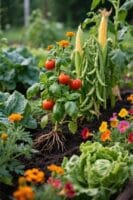

Mulching is a simple soil-covering technique that gardeners and landscapers use to protect and improve planting areas. Mulch is a layer of material, organic or inorganic, placed over soil to retain moisture and suppress weed growth. Organic options, like wood chips or straw, decompose slowly, adding soil fertility and improving structure. Inorganic choices, such as gravel or plastic, last longer and excel at blocking sunlight to prevent weeds. Applying mulch at 2 to 4 inches depth is recommended to balance moisture retention and air exchange. Mulching also aids temperature regulation by insulating roots from extremes, and it reduces erosion and pest entry by covering the soil surface. Regular maintenance, including replenishing organic mulch every one to two years, is essential. A manual lawn edger can be an effective tool to create clean edges before applying mulch, helping to enhance the overall aesthetic and functionality of the mulched area.
Key Benefits of Using Mulch in Gardens and Landscapes

When gardeners want to save water and reduce maintenance, mulch can come to the rescue by retaining up to 50% more soil moisture than bare ground. Mulching reduces evaporation, maintaining moisture and cutting watering frequency by half for many beds. It offers strong weed control, blocking light and reducing weed emergence by as much as 90% when applied at 2–4 inches thick. Organic mulches slowly decompose, improving soil structure and supplying nutrients at rates of 0.1–0.5% organic matter increase annually. Mulch types also provide temperature regulation, keeping roots cooler in summer and warmer in winter, generally moderating soil swings by 5–10°F. Additionally, mulch aids soil health, prevents erosion, and provides aesthetic enhancement through varied colors and textures for practical visual appeal. Using ergonomic tools for mulching ensures comfort and reduces fatigue during application.
Types of Mulch: Organic Versus Inorganic

Although both organic and inorganic mulches serve to conserve moisture and suppress weeds, they do so in different ways that affect soil and maintenance needs. Organic mulches like wood chips, straw, and leaves decompose over months to years, adding nutrients and improving soil health by supporting microorganisms; replenish every 1–3 years. Inorganic mulches such as plastic sheeting, gravel, and landscape fabric do not break down, provide long-term weed suppression, and require less frequent replacement but may impede soil microorganisms and increase compaction. Benefits of mulching include moisture retention and moderated soil temperature, which support plant growth. When applying mulch, spread 2–4 inches for wood chips, 1–2 inches for straw, or 1–2 cm gravel, avoiding direct contact with stems. Adding mulch can also reduce the need for heavy-duty gardening tools by minimizing weed growth and soil disturbance.
Recommended Products
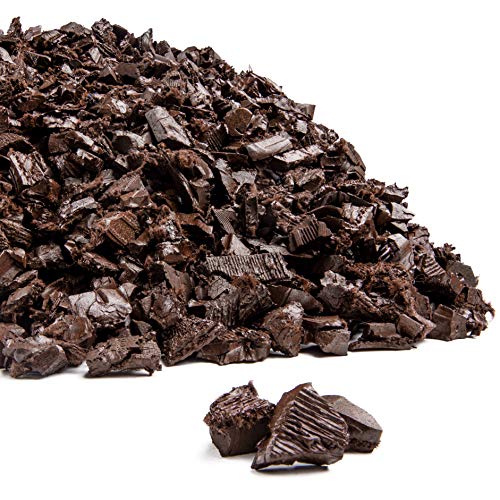
CREATE A SAFER PLAY AREA - Playsafer rubber mulch is IPEMA Certified and helps reduce the risk of injury on playgrounds and play areas
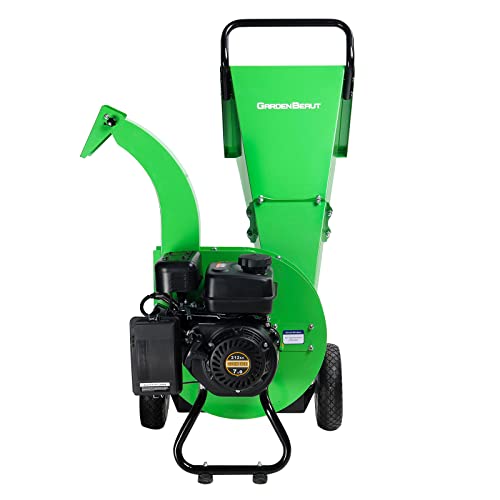
S1 Wood chipper shredder comes with a larger 15.6-inch large cutting rotor, which is more efficent and faster speed than those mini wood chipper. It is equipped with 2 blades and 6 hammers for more consistent speeds and efficient shredding. The efficient feeding speed and the grilling device on the discharge outlet effortlessly transform debris and branch leaves into mulch, enriching your garden with rich organic nutrients.

For planters, plants and trees 1-2 gallons in size (or root ball diameters of about 7 inches to 10 inches) - Soil Moisture Stabilizer - prevents soils from getting too wet (root rot) or too dry (tree suffering). Soil will remain at a healthy, moist level for the plant or sapling to thrive. If the soil seems too dry, look at how the plant is doing or use a moisture meter to measure. Make sure to use potting or garden soil.
Choosing the Right Mulch for Different Plants and Soils

Because different plants and soils have distinct needs, selecting the right mulch begins with matching material to purpose and pH. Use organic mulches like wood chips or straw for moisture-loving perennials; apply 2–4 inches to improve soil structure, slow decomposition, and support beneficial microbial activity. Pine needles come to the rescue for acid-loving shrubs, holding moisture and gently lowering pH. For drought-tolerant species, consider inorganic mulch such as gravel or stone, which provides moisture retention without adding nutrients. Vegetable beds benefit from compost or shredded leaves, applied 1–3 inches to aid weed suppression and feed plant roots as they break down. Clay soils gain aeration from organics, while sandy soils may use either type of mulch to better retain water and boost soil health. Using durable materials in garden tools can enhance their longevity and efficiency, contributing to better soil management practices and effective mulching.
Mulching Techniques and Application Methods

After selecting a mulch suited to plant type and soil pH, attention turns to how it is applied for maximum benefit. Surface mulching places 2–4 inches of organic materials directly around plants to conserve moisture and assist weed control. Strip mulching uses wide bands between rows, improving water penetration and soil aeration while suppressing weeds. In-row mulching puts mulch at the base of each plant, leaving row centers clear for air flow and cultivation. Living mulch involves cover crops grown alongside main crops, which improve soil structure and attract beneficial insects for pest management. Proper application methods include clearing debris first, monitoring mulch levels monthly, and replenishing materials as they decompose to maintain fertility and long-term effectiveness. Additionally, when using LED grow lights, ensure adequate PAR within the 400-700 nm range to support plant growth alongside mulching efforts.
Recommended Products
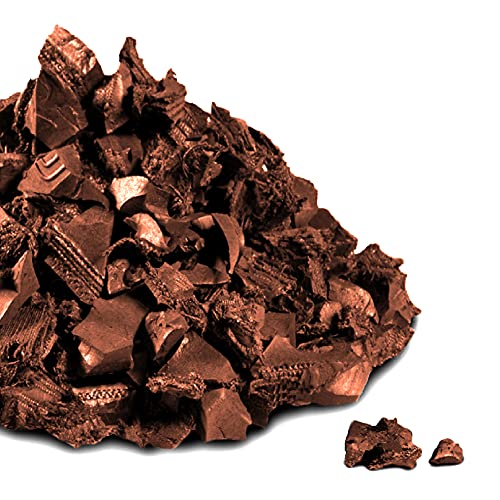
LONG LASTING - 12 year color guarantee against color loss. color will not rub off. the weight of these rubber nuggets allows them to stay in the landscaped area and will not be blown around by winds or leaf blowers. no need to replace annually like wood chip mulch. these are nugget shaped not wood chips design.
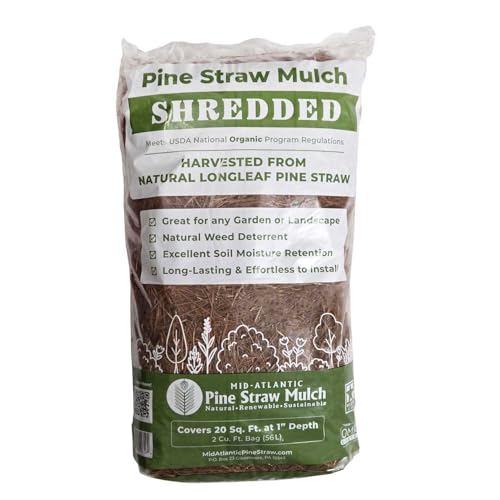
OMRI Listed ORGANIC & USDA COMPLIANT: Sourced from the Longleaf Pine tree and listed Organic by OMRI. It adheres to rigorous USDA and state inspection standards, ensuring it’s the highest quality landscape mulch.

PREMIUM ORGANIC GARDEN STRAW: High-quality organic straw harvested for superior coverage and durability—ideal mulch for gardening, raised garden beds, flower beds, composting, and lawn care projects.
Common Mulching Mistakes and How to Avoid Them
How can common mulching mistakes be prevented with simple checks and correct materials? Inspect beds before adding more mulch, since common errors include over mulching. Maintain a layer of mulch 2–4 inches thick, which prevents suffocation and rot. Avoid mixing mulch into the soil; applying it correctly means placing it on the surface, not tilling it in. Choose organic matter like compost or aged wood chips to add nutrients without depleting soil nitrogen. Fresh wood chips can tie up nitrogen as they decompose; allow chips to age several months first. Monitor maintaining moisture levels by checking soil moisture 2–4 inches beneath the surface, every week in dry spells. Proper storage methods can also contribute to the longevity of mulching materials, preventing issues like mold and ensuring effectiveness. Avoid dyed mulch, it may cause avoiding toxicity concerns; opt for natural products for proper application.
Recommended Products

Natural mulch processed from cedar trees

100% Cedar Bark and Cedar Wood Fiber.

ALL-NATURAL INGREDIENTS: No added fertilizers or pesticides
Environmental and Sustainability Considerations of Mulching
Sustainability matters in mulching practices as it shapes soil health and resource use over time. Mulching with organic mulches like wood chips or straw adds nutrient addition as they decompose, typically releasing nitrogen and carbon slowly over months. Organic mulches also improve soil structure, and can reduce water use by up to 30%, aiding water conservation in dry regions. Inorganic options provide durable weed control and prevent erosion, fitting sustainable land management where long-term stability is required. Mulching reduces soil disturbance, promoting carbon sequestration and helping mitigate climate change at small scales. Use locally sourced materials to cut transport emissions and support local economies, for example chips from municipal tree crews. Apply 2–4 inches for most beds, avoid piling at stems. For tasks requiring strong and versatile adhesive solutions, clear duct tape offers great weather resistance and hand tearability, making it an ideal choice for temporary fixes in gardening and landscaping projects.
Frequently Asked Questions
What Is the 3-3-3 Rule for Mulch?
The 3-3-3 rule for mulch prescribes three inches thickness, three feet width, and three inches away from plant bases. It balances mulch benefits, mulch application, mulch maintenance, mulch materials, organic mulch, mulch durability, mulch colors, mulch aesthetics.
What Is Mulching and Its Advantages?
Mulching is applying protective layers to soil; Advantages of Mulch include Moisture Retention, Weed Suppression, moderated Soil Temperature, Aesthetic Appeal and Environmental Benefits. Types of Mulch include Organic Mulch and Inorganic Mulch; Mulching Materials vary.
What Is the Best Mulching Technique?
Absolutely the best is a balanced 2–4 inch surface mulching approach, claimed to be miraculous: wood chips, grass clippings, straw mulch, pine needles, bark mulch and compost layer add organic matter; rubber mulch and landscape fabric affect soil moisture differently.
What Is the Most Beneficial Mulch?
Organic materials are most beneficial: they deliver mulching benefits like soil moisture retention, weed control, temperature regulation, nutrient enrichment, erosion prevention, pest deterrence, aesthetic appeal and support sustainable gardening, making them the preferred long-term choice.


