As an Amazon Associate, we earn from qualifying purchases. Some links on this site are affiliate links at no extra cost to you. Our recommendations are based on thorough research and editorial judgment.


Soil Ph Testing and What It Means for Your Plants

Soil pH measures acidity or alkalinity on a 0–14 scale, and it controls nutrient availability for plants. Most garden plants prefer pH 6.0–6.8, which maximizes uptake of nitrogen, phosphorus and micronutrients like iron. Test soil in spring or fall with a probe kit or lab; sample several spots and mix for one representative sample. To raise pH apply about 50 lb lime per 1,000 sq ft; to lower pH use 1–2 lb sulfur per 100 sq ft, then reassess in three months to confirm effects and learn how to adjust further.
Key Takeaways
- Soil pH (scale 0–14) determines nutrient availability; most plants prefer 6.0–6.8 for optimal uptake.
- Test soil in spring or fall using a kit or lab to identify acidity or alkalinity before planting.
- pH below 6.0 often causes calcium and magnesium deficiencies and poor root development.
- pH above 7.5 restricts phosphorus, iron, and micronutrient uptake, causing chlorosis in sensitive plants.
- Adjust pH slowly: apply lime to raise pH, sulfur to lower it, and add compost yearly to buffer changes.
Why Soil Ph Matters for Plant Health
You may be interested



Soil pH is a key chemical property that determines which nutrients plants can absorb. Soil pH controls nutrient availability, making some minerals easy to take up and others locked away. Most plants need an optimum range around 6.0 to 6.8, where phosphorus, nitrogen, and potassium are most available for plant health. Acidic soil, below pH 6.0, often causes magnesium and calcium deficiency and raises aluminum toxicity risks. Alkaline soil, above about 7.5, can limit phosphorus and micronutrients, reducing growth. Regular soil testing comes to the rescue by indicating exact pH and guiding amendments. Tests inform lime applications to raise pH or sulfur to lower it, helping growers select suitable plants and correct problems efficiently. Full-spectrum lights support all growth stages, providing essential energy for photosynthesis, which is crucial for maintaining plant health and optimizing nutrient uptake.
What Soil Ph Is and How It Works
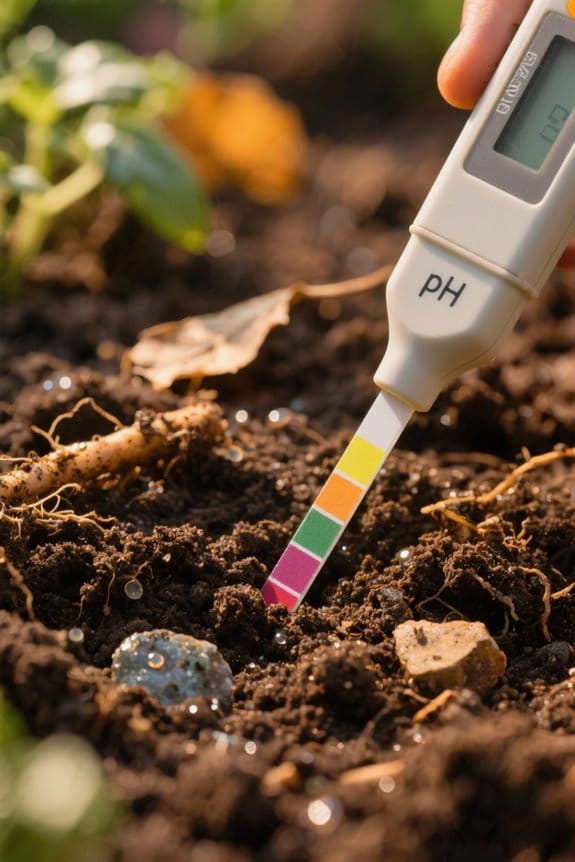
pH is a numeric measure of acidity or alkalinity that runs from 0 to 14, with 7 defined as neutral. Soil pH indicates whether soil is acidic (below 7) or alkaline (above 7), and it controls chemical reactions in dirt. For most plants, an ideal range is 6.0 to 6.8, which allows optimal nutrient availability for roots. When pH drops below 6.0, elements like phosphorus and potassium become less available, reducing plant growth. High acidity can mobilize toxic aluminum and limit magnesium and calcium uptake. High alkalinity can restrict iron and manganese absorption, causing deficiencies. A simple soil test kit can measure pH levels precisely, reporting numeric values so adjustments like lime or sulfur can come to the rescue. Choosing eco-friendly materials for gardening tools can also help maintain sustainable practices while managing soil health effectively.
Signs Your Soil Ph May Be off

Plants that look pale or stunted often signal a problem with their soil’s acidity or alkalinity. Yellowing foliage commonly indicates nutrient deficiencies tied to incorrect soil pH, so test if possible. Acidic soils (pH < 6.0) reduce nutrient availability, especially phosphorus and calcium, harming root development. Alkaline soils (pH > 7.0) restrict iron and manganese uptake, causing chlorosis in sensitive plants like azaleas and blueberries. Certain declines in acid-loving species suggest pH is too high. Some diseases, such as club root, are more common in very acidic soil, so adjust the pH to reduce risk. Aim for target ranges: most vegetables 6.0–7.0, blueberries 4.5–5.5, and amend gradually, retesting after changes. For effective pruning during gardening, bypass pruning shears are recommended due to their ability to make clean cuts and handle delicate tasks efficiently.
When and Where to Test Your Soil

When is the best time to check the acidity of a garden bed? Early spring and late fall are prime windows to test soil pH, allowing time for adjustments before active plant growth. Test soil pH before planting a new garden or vegetable plot to guarantee ideal growth conditions for seedlings. Also check soil pH three months after adding lime, fertilizers, or organic matter to see the settled effect. If plant growth is disappointing or foliage shows yellowing, indicating nutrient deficiencies, perform a pH test promptly. Soil can be tested any time the ground is not frozen, so immediate corrective actions can come to the rescue. Use a representative soil sample, follow kit instructions, and record pH results for future reference. Consider energy-efficient designs when setting up indoor grow lights to complement soil nutrition management and enhance plant growth.
How to Collect a Representative Soil Sample

A good sample begins with multiple digs across the test area. Collect 6–8 inch deep cores from several spots, about 10-15 locations for lawns or 5-10 for garden beds, to form a representative sample. Combine these in a clean container and mix thoroughly to create a composite that evens out local variability. Remove debris like roots and stones before packaging, because extra material can skew soil nutrients and pH of the soil readings. Spread the composite to air dry at room temperature, do not heat, then place several tablespoons into Test Kits or mail-in bags. Label clearly with location, date, and intended plants. Finally, test your soil soon after preparation to guarantee accurate, actionable results. Consider using a solar-powered lighting solution to illuminate your workspace during evening soil testing, as it is eco-friendly and cost-effective.
Home Soil Ph Testing Methods Compared
Soil pH testing options come in several forms, each balancing cost, ease, and accuracy. Test strips are simple and inexpensive. They measure soil pH to about 0.5 unit resolution, color comparison can be subjective under poor light. Chemical test kits come next in complexity. They use reagents and give clear color charts, but may need different kits for varied soil types and produce liquid waste requiring disposal. Digital pocket testers and portable meters provide higher precision, often to 0.1 pH, and some include automatic temperature compensation for reliable readings. They require calibration with standard solutions and probe maintenance. Regular testing identifies soil acidity or alkalinity shifts. Adjustments keep plant nutrients available and maintain the ideal range of 6.0 to 6.8. Vine fairy lights, such as the Suddus Vines, can provide a charming aesthetic for gardens and outdoor spaces where soil health and plant growth are prioritized.
Interpreting Soil Ph Results for Different Crops
Because plants differ in their nutrient needs, interpreting a pH reading starts with matching the number to crop requirements. Most plants prefer soil pH 6.0 to 6.8, where nutrient availability is ideal for root uptake. Acid soil lovers like blueberries need pH 5.0 to 6.5, while alkaline-tolerant species may do well up to pH 8.0. A soil pH test gives a numeric guide to adjust management. Below pH 6.0, calcium and magnesium deficiencies are common, since calcium carbonate is less available. Above pH 7.0, alkaline soils restrict phosphorus, iron and manganese, causing yellowing in sensitive plants. Use the test result to select crops or amendments, matching specific crops to the measured soil chemistry for predictable outcomes. Regular blade sharpening is necessary for optimal performance of gardening tools, ensuring they function effectively and last longer.
How to Raise or Lower Soil Ph Safely
Knowing the crop’s preferred pH guides what follows. To raise soil pH, apply lime at about 50 pounds per 1,000 square feet, which supplies calcium and magnesium plants need for nutrient uptake. To lower soil pH, incorporate sulfur; typically one to two pounds per 100 square feet lowers pH by roughly one unit. Test soil before any change, and again later to confirm results. Till sulfur into the top six inches for quicker adjustment; un-tilled applications should be spaced at least a month apart for gradual effect. Regular addition of organic matter, such as compost, helps buffer soil pH and supports nutrient retention. Periodic testing, ideally late summer to fall, guarantees adjustments match specific crop requirements and soil conditions. Consider full spectrum capabilities in grow light panels to enhance plant growth stages when adjusting soil pH for indoor gardening.
Timing and Rates for Lime and Acidifying Amendments
When adjusting pH for a planting bed, timing and correct amounts make the difference between quick fixes and lasting results. Apply lime at the recommended rate of 5 to 7 pounds per 100 square feet to raise soil pH, preferably in spring or fall for best reaction with soil minerals. Sulfur can come to the rescue to lower the pH, at about 1 to 2 pounds per 100 square feet to decrease pH by one unit, tilled into the top six inches when feasible. Wait at least a month between sulfur applications to observe changes. Testing soil pH is best in late summer through fall, and regular soil testing every three to five years confirms amendment effectiveness. Follow application timing and measurements carefully. For optimal plant care, consider using automated grow lights with features like timers and adjustable settings to complement your soil amendment efforts.
Long‑Term Soil Ph Management and Monitoring
A simple schedule keeps soil pH stable over the long term. Regular testing every three to five years confirms conditions, and late summer through fall soil testing gives time for corrections before planting. Target pH should be about 6.2 to 6.8 for most plants, where nutrient availability is ideal. Lime raises pH; use 5 to 7 pounds per 100 square feet to neutralize acidity as recommended by test results. Sulfur lowers pH when indicated, applied per lab guidance. Regular additions of organic matter, such as compost at 1–2 inches yearly, help buffer swings and support beneficial organisms. Monitor phosphorus availability closely, since uptake drops below pH 6.0, which can limit plant growth and crop yield. Incorporating programmable timers can optimize energy efficiency in garden lighting, ensuring plants receive adequate light exposure while conserving energy.
Frequently Asked Questions
What Are the Signs of Poor Soil Ph in Plants?
Signs include leaf discoloration, stunted growth, wilting plants, and nutrient deficiencies; diminished nutrient uptake and poor root health increase pest vulnerabilities and reduced blooming, indicating need for pH adjustment to restore balance and vigor.
What Is the Best Ph for Soil for Plants?
The best pH for soil for plants is generally 6.0–6.8. He notes ideal pH ranges, considers pH preference plants, acidic soil benefits, alkaline soil risks, pH adjustment methods, soil amendment techniques, crop yield impact, nutrient availability effects.
What Does a Soil Ph Test Tell You?
A soil pH test reveals soil acidity and pH scales, indicating nutrient availability and plant health; testing methods produce data for interpretation, guiding soil amendment choices to improve crop performance and long‑term management.
What Happens to Plants if Soil Ph Is Too High?
Plants suffer when pH is too high: alkaline soil effects include nutrient availability issues, causing plant growth stunting, root development challenges, toxicity levels increase, drought resistance decrease, specific species sensitivity rises and crop yield reduction follows.


