As an Amazon Associate, we earn from qualifying purchases. Some links on this site are affiliate links at no extra cost to you. Our recommendations are based on thorough research and editorial judgment.


Color Temperature Guide: Warm White Vs Cool White Outdoor Lighting

Color temperature measures light hue in Kelvins (K). Warm white (2,700K–3,000K) gives amber tones, ideal for patios and wood finishes, and reduces blue light that can disrupt sleep. Cool white (3,500K–5,000K) yields bluish, daylight-like light, useful for pathways, driveways, and security. Use 3,000K on mixed zones for balance, dimmers for flexibility, and test at night for cohesive effect. Continue for specific placement, lumen counts, and fixture choices.
Key Takeaways
- Warm white (2,700K–3,000K) creates a cozy, inviting outdoor atmosphere ideal for patios, decks, and entertaining spaces.
- Cool white (3,500K–5,000K) improves visibility and security on pathways, driveways, and task areas by producing crisp, daylight-like light.
- Use neutral white (3,000K–3,500K) for a balance of safety and color rendering on walkways and mixed-use zones.
- Warmer tones reduce blue-light exposure, attract fewer insects, and support evening comfort and better sleep cycles.
- Maintain a cohesive scheme by limiting mixed color temperatures and testing fixtures at night to confirm desired effects.
What Is Color Temperature and How Is It Measured
You may be interested



Although it may sound technical, color temperature simply describes the hue of a light source and is measured in Kelvins (K). It is a numerical scale that indicates whether light appears warm or cool. Lower values mean warmer tones; higher values mean cooler tones, which affects atmosphere and visual aesthetics. Typical outdoor lighting falls between about 2,500K and 4,000K, with warm white around 2,700–3,000K and cool white from roughly 3,500–5,000K. Designers use these ranges in lighting design to set mood, guide wayfinding, and highlight materials. The temperature describes spectral balance, which also impacts human comfort and circadian responses. Choosing energy efficient fixtures with the right Kelvin rating helps meet functional goals, while preserving desired atmosphere outdoors. For example, lights like the Gritin Under Cabinet Lighting offer adjustable color temperatures, providing flexibility in setting the desired ambiance for different environments.
Warm White Vs Cool White: Visual Differences and Uses

Compare warm white and cool white light by looking at hue, usage, and material effects. Warm white ranges 2700K–3000K on the Kelvin scale, producing amber tones that create an inviting atmosphere for patios and porches. Cool white spans roughly 3500K–5000K, yielding bluish light suited for security lighting and task areas. Warm white flatters red brick and wood, enhancing texture and perceived warmth. Cool white complements gray slate and blue foliage, sharpening edges and contrast for architectural features. Nighttime behavior of wildlife is influenced by temperature, with warmer hues generally less disruptive. Mixing temperatures can add visual interest, but maintain cohesion across connected outdoor lighting zones. Choose based on material palette, functional needs, and desired ambiance for clear, practical results. LED designs ensure lower frequency of replacements, contributing to overall efficiency and long-term satisfaction.
Health and Ecological Benefits of Warm White Outdoor Lighting

Two practical choices come to the rescue when reducing nighttime light disruption: warm white fixtures rated 2700K–3000K and lower-intensity bulbs. Warm white lighting at that temperature reduces blue light exposure, which helps melatonin production and supports sleep for humans and nocturnal wildlife. It also lessens insect attraction, aiding ecological balances by protecting food chains and pollinators. Ecologists note fewer disruptions in migration patterns and night behaviors with 2700K–3000K sources than with blue-rich lamps. Warm white is gentler on the eyes, reducing eye strain for evening tasks and socializing. For a welcoming yard, select 2700K fixtures, dimmers or lower-lumen options (300–800 lm), shielded fixtures, and timers to preserve the nighttime environment while creating an inviting atmosphere. Additionally, using heat-treated blades in lawn maintenance ensures reduced wear and chipping, contributing to a more efficient and sustainable landscaping process.
When to Choose Cool White: Safety, Detail, and Modern Aesthetics

A practical rule of thumb guides the choice of cool white for outdoor tasks and modern designs. Cool white light offers high brightness, typically 4000K–5000K, improving visibility for driveways, walkways, and porches. Use it where safety is the priority, because clear illumination reduces trip hazards and aids identification at night. For architectural details, cool white emphasizes textures and edges, making facades and trim read sharply from a distance. In landscaping features, it creates contrast that highlights form and color, come to the rescue for sculptural plants and stonework. For security purposes, cool white closely resembles natural daylight, deterring intruders by illuminating critical zones. It also suits task-oriented lighting, such as workbenches or entry areas, where concentrated, energetic light aids focused activity. When organizing outdoor decorations or displays, consider using high-quality removable adhesive tapes that provide strong adhesion and clean removal without residue, ensuring your setups remain intact and easy to manage.
Recommended Kelvin Ranges for Common Outdoor Zones

An organized Kelvin chart helps designers choose the right hue for each outdoor zone. Patios and decks suit warm white, 2700K–3000K, producing a cozy, inviting atmosphere for evening gatherings. Garden beds and foliage benefit from warm to neutral white, 2700K–3500K, which enhances natural color and plant texture under night conditions. Pathways require neutral white, 3000K–3500K, to prioritize safety and provide consistent visual appeal for walkers. Water features look striking with cooler lights, 3500K–5000K, creating strong reflections and contrast against dark surroundings. Architectural highlights and task areas often use cool white, 4000K–5000K, delivering brighter, energizing illumination for visibility. Battery-operated outdoor lights offer flexibility in placement, allowing for creative installations without the need for electrical outlets. These Kelvin ranges guide fixture selection and beam aiming to achieve functional, attractive outdoor lighting.
Recommended Products

LED Pergola: This 14' × 24' louvered pergola features built-in LED with a warm 3000K glow and a remote control for easy operation

Create an Inviting Ambiance: Integrated LED strips emit a warm 3000K glow, transforming your pergola into a cozy and inviting space for evening entertainment and relaxation.
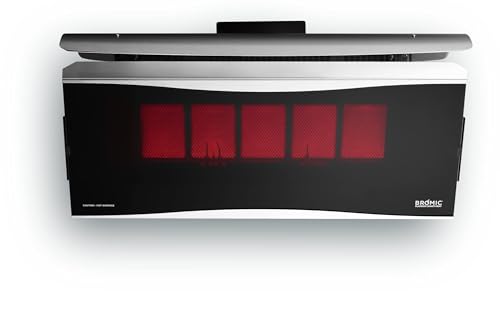
🔥High-Powered Heating: This 11000W gas infrared heater provides instant, even heat with sophisticated infrared technology that concentrates heat onto individuals and objects. It efficiently heats up to 215 Sq Ft of area, turning your outdoor living area into a luxurious warm retreat in no time.
Design Tips for a Cohesive Landscape Lighting Scheme
After selecting Kelvin ranges for each zone, the next step is to unify those choices into a coherent lighting plan that reads as one scheme. Use a consistent color temperature, typically 2700K–3000K warm white, to create an inviting atmosphere across patios, paths, and facades. Layering fixtures adds depth and visual interest; mix 10–30° spot beams for focal points with 60–120° floods for general wash. Keep outdoor lights within the same Kelvin to guarantee a seamless conveyance from indoor lights, which should match within ±200K. Test at night before final installation to judge plant and material appearance under chosen color temperature. Reserve cool white for deliberate accents only. Limit mixed temperatures to single focal features to avoid visual disunity and maintain professional cohesion. Consider using reinforced corner bead tapes for your outdoor lighting fixtures to ensure durability and enhanced resistance to wear and tear in high-traffic areas.
Recommended Products

10-PACK OF INTEGRATED LED SPOTLIGHTS - High-performance Cree LEDs produce 500 lumen light output with crisp shadows. Four-step binning ensures consistent warm white 2700K color temperature and longevity. Pre-installed 60-degree optic is ideal for medium-to-wide flood applications.

UL/cUL LISTED - VOLT products are UL Listed for safety; most competitors' landscape lighting products on Amazon are not.

𝐒𝐨𝐥𝐢𝐝 𝐁𝐫𝐚𝐬𝐬 𝐓𝐨𝐩: Crafted with solid brass top and nylon bottom construction, this brass well lights landscape ensures long-lasting durability and a sophisticated look. Its corrosion-resistant properties make it perfect for illuminating inground lights outdoor waterproof, floors, decks and exteriors.
Frequently Asked Questions
Is Cool White or Warm White Better for Outdoor Lighting?
80% of people favor softer tones, so warm white often suits outdoor lighting best; it balances outdoor ambiance, light effects, color perception, design aesthetics and user preferences, while solar options, energy efficiency, safety concerns, seasonal lighting and security lighting remain considerations.
What Is the Best Color Temperature for Outdoor Lighting?
A 3000K range best balances outdoor ambiance and color rendering; light placement, brightness levels, LED options and energy efficiency address safety concerns and decorative effects, with seasonal lighting and personal preference guiding final choices.
Is 3000K or 4000K Better for Outdoor Lighting?
3000K suits relaxed outdoor ambiance and garden design, while 4000K favors visibility enhancement and safety measures; choice depends on lighting suitability, aesthetic preferences, architectural features, lumens consideration, seasonal lighting and energy efficiency.
What Is the Best White Light for Outdoor Lights?
Warm white (2700–3000K) often suits outdoor atmosphere best; it balances ambient lighting, color rendering, design aesthetics, safety illumination and energy efficiency. Consider lighting fixtures, installation tips, seasonal changes and maintenance practices.


