As an Amazon Associate, we earn from qualifying purchases. Some links on this site are affiliate links at no extra cost to you. Our recommendations are based on thorough research and editorial judgment.


Year-Round Vs Seasonal Fairy Light Installation Strategies

Permanent installs use IP65-rated, low-voltage 12V LED fixtures for 6–10 year durability. They cut energy use by 70–80% and mount 6–12 inches from trim at 2.5–3.0 m height, often with app control and 3000K warm white. Seasonal strands cost less upfront, need annual hanging and storage, and often last 3–5 seasons if IP44-rated. Professional fitting reduces ladder risks and hides wiring, and the guide next explains trade-offs and selection steps.
Key Takeaways
- Permanent installations (IP65, low-voltage LEDs) offer durability, weatherproofing, and app control for year-round lighting.
- Seasonal setups cost less upfront but require annual hanging, storage, and more frequent replacements.
- Permanent systems save time and ladder use long-term, reducing fall risks and maintenance labor.
- Compare lifecycle costs: higher initial for permanent, lower energy use and longer lifespan offset recurring seasonal expenses.
- Match fixture size, placement, and 2700–3000K warm tones to home design for cohesive year-round or seasonal aesthetics.
Permanent Installations: The Year‑Round Glow
You may be interested


A well-planned permanent fairy light installation can transform a home’s exterior and interior into a year‑round display. Installations use permanent lighting systems rated IP65 or higher for weather resistance, and last about 6 to 10 years on average, reducing the annual hassle of replacements. LED lighting strips and bulbs draw as little as 5–12 watts per meter, cutting electricity costs in the long run. Systems are often controlled via a mobile app, enabling color changes, schedules, and patterns with 16 million RGB options. Professional installation secures mounts every 30–45 cm, hides low‑voltage wiring in 12–18 mm conduit, and minimizes ladder risks. Permanent Christmas lighting can remain subtle or festive, boosting curb appeal while providing reliable, low‑maintenance illumination. Adding energy-efficient designs like those found in many fairy light models ensures both safety and cost-effectiveness in lighting your space.
Seasonal Setups: The Classic Tradition

Seasonal fairy light setups remain the classic choice for holiday decorators who want flexibility without major commitment. Seasonal lights offer a nostalgic look, customizable by color and pattern each year to match themes like warm white or multicolor. Annual installation often involves ladder work to hang 12–24 strands, and removal requires careful untangling to avoid cord damage. Temporary setups suit renters and those who change displays, but they introduce storage challenges; store coils in 12-inch diameter reels or labeled plastic bins to protect connectors. Quality sets withstand 3–5 seasons when rated IP44 for outdoor use and using UL-listed transformers. Lower-end strands may fail after 1–2 seasons. Basic safety gear, gloves and a 6–8 foot step ladder, come to the rescue. Additionally, using LED technology in fairy lights can significantly reduce electricity expenses while maintaining a festive atmosphere.
Cost Comparison: Short‑Term Expenses Vs Long‑Term Value

Cost comparison helps homeowners decide between short-term expenses and long-term value. Seasonal setups cost hundreds per year for labor, replacement bulbs, and storage, adding up across multiple seasons. Permanent LED systems require a higher upfront cost, often several thousand dollars for professional installation and weatherproofing, but they come with LEDs rated for 6–10 years. Seasonal setups typically last 3–5 seasons, and harsh weather can shorten that lifespan, increasing replacement frequency and annual installation fees. Permanent LED systems cut energy use by 70–80% compared to incandescent strands, producing long-term savings that often recoup the initial investment within a few seasons. For a typical 50-foot run, compare a $300 yearly cycle to a $2,000 permanent install, and calculate break-even years.
Convenience and Time Savings
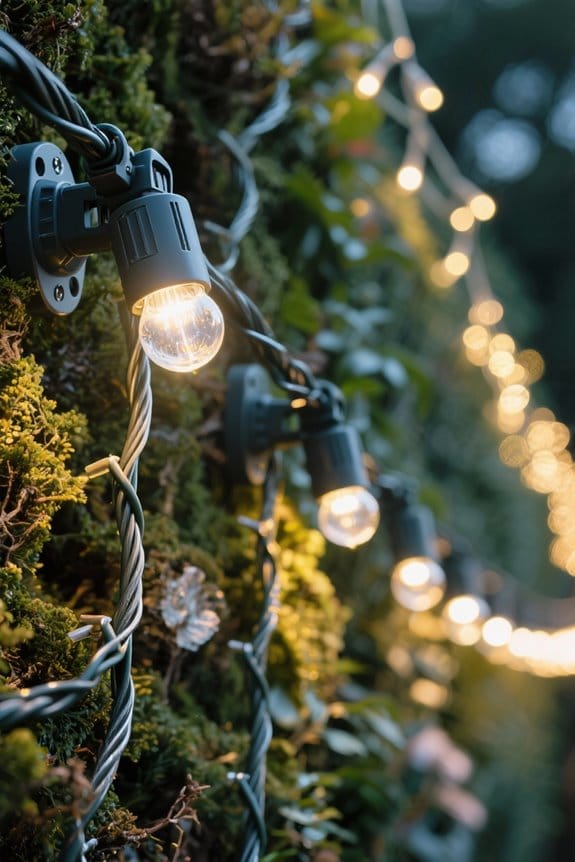
When homeowners want to avoid yearly hassle, a permanent LED system can come to the rescue and save many hours over its lifetime. Permanent installations remove annual hanging, dismantling, and storage, delivering clear time savings for busy households. Seasonal lighting requires climbing ladders and untangling cords each November and January, often taking 4–8 hours per cycle for an average 2,000 sq ft home. Permanent lights, typically 12–14 AWG low-voltage runs with IP65-rated fixtures, allow app control for instant mode changes, reducing setup tasks to button taps. The convenience of permanently mounted strands means one professional install, then remote schedules and scenes. For people valuing predictability, this minimizes the repeated hassle of seasonal work and keeps decorations ready year‑round. Many homeowners choose LED options due to their energy-efficient lighting, which can significantly reduce electricity consumption during the holiday season and beyond.
Safety and Professional Installation Benefits

How much safer is a professionally installed permanent lighting system compared with temporary setups? A professional installation reduces ladder use and fall risks by keeping fixtures mounted year-round. Permanent lighting uses weatherproof connections (IP65 or higher), rated cables, and sealed junctions to prevent electrical hazards in rain or snow. Seasonal lighting often involves tangled cords and ad-hoc fasteners, increasing trip and shock risks. Trained installers verify compliance with local electrical codes, typically 12–14 AWG outdoor-rated wiring for low-voltage runs, and secure mounting every 12–18 inches on fascia or eaves. Professional installation also eliminates annual removal, lowering cumulative accident probability. For high-traffic zones and storm-prone regions, hiring professionals provides documented safety practices and durable, code-compliant solutions. Energy-efficient LED lights are recommended for permanent installations, as they offer powerful illumination while minimizing operating costs.
Energy Efficiency and Environmental Impact
Why choose a permanent system over seasonal strings of lights? Permanent Christmas lights use LED bulbs that draw under 1 watt per bulb, reducing energy bills and offering clear energy efficiency gains. Seasonal lights require frequent replacement, often yearly, which increases waste and environmental impact through manufacturing and disposal. A permanent installation lasts six to ten years with minimal maintenance, lowering lifecycle resource use and cutting a household’s carbon footprint over time. Solar fairy lights, known for their eco-friendly lighting solution, provide a versatile style for different occasions without the need for electricity. Permanent fairy lights can be repurposed for various holidays, a sustainable lighting solution that reduces the need for multiple sets. For practical guidance, compare watts per bulb, estimate annual hours of operation, and calculate expected energy savings to justify upfront costs.
Aesthetic Flexibility and Holiday Customization
Although seasonal strings let homeowners swap colors and motifs each year, a permanent system offers app-controlled color, brightness, and animation that come to the rescue for frequent changes. Aesthetic flexibility matters for curb appeal. Seasonal lighting can be swapped annually for red, green, or themed motifs, typically using 50–200 ft strands. Permanent lighting uses waterproof low-voltage LED strips or micro-bulbs, 12–24 V, mounted discreetly for year-round use. Holiday customization is achieved via apps that adjust RGB values, set schedules, and select animations, enabling Halloween orange or warm white for winter. Lighting ideas include zone control in 3–6 segments, 10–30% dimming at dusk, and preset scenes for specific dates. Maintenance differs: seasonal requires annual rehang, permanent needs occasional firmware and waterproofing checks. Incorporating purple grow lights into permanent lighting setups can enhance plant growth by utilizing ideal wavelengths for photosynthesis, complementing the overall aesthetic and functional benefits of year-round installations.
HOA and Neighborhood Considerations
When neighborhood rules restrict display time or appearance, homeowners should plan lighting with HOA compliance in mind. HOAs often prefer permanent vs seasonal solutions, because low-profile LED strips (6–12 mm wide) and 3000K warm white tones blend with trim. Read rules for allowed run-times, placement height limits (commonly 2.5–3.0 m), and control requirements. Permanent fixtures come with remote timers and app control, which come to the rescue for automated dimming and scheduled operation. Seasonal displays may face display period limits and removal deadlines, creating compliance issues. Installations matching rooflines and paint colors maintain aesthetic consistency, boosting community acceptance and property value. Regular maintenance ensures longevity of lighting installations, similar to how concrete edging tools require care for optimal performance. Document product specs, take photos, and submit proposals to avoid disputes.
How to Choose Based on Budget, Lifestyle, and Home Design
Choosing the right fairy light approach begins with a clear assessment of budget, lifestyle, and home design. Compare upfront costs: permanent lighting can cost 20–50% more initially, yet save money long-term through energy efficiency with LED strips drawing 5–10W per 16 ft. Seasonal installations cost less to buy, about $10–$50 per strand, and allow yearly theme changes. Consider lifestyle needs. Permanent systems, often hardwired or low-voltage 12V with weatherproof fixtures, save time by removing annual setup and storage. Seasonal installations come to the rescue for casual decorators who prefer tradition. Match home design by choosing fixture size and color temperature, 2700K–3000K for warm facades, and place lights 6–12 inches from trim for subtle, unobtrusive integration. For outdoor decorations, choosing meteor shower lights with a minimum IP65 rating ensures durability against weather conditions, making them a versatile choice for both year-round and seasonal setups.
Frequently Asked Questions
Can Fairy Lights Be Synced to Music or Smart Home Systems?
Yes. They can be synced: smart lighting supports music synchronization and home automation, enabling holiday displays and dynamic scenes. Installation options vary; users balance energy efficiency, controller compatibility, and wiring or wireless integration for desired effects.
Do Year‑Round Lights Affect Roof or Siding Warranties?
Yes — year-round lights can affect warranties. The observer notes warranty considerations, material durability, installation techniques, manufacturer guidelines, damage assessments, and maintenance requirements; improper attachment or altered materials often void coverage, requiring documented assessments and corrective maintenance.
What Maintenance Do Lights Need After Extreme Weather?
75% of damaged lights fail at seams; they require inspection for weather resistance, light durability, corrosion prevention, extreme temperature effects, moisture protection, and wiring integrity, with prompt resealing, bulb replacement, and connector cleaning to guarantee safe operation.
Can Rental Homes Use Permanent Installation Solutions?
Yes; tenants can adopt permanent fixtures if rental agreements permit. They weigh installation costs, homeowner preferences, aesthetic value and allow for seasonal adjustments. Responsibility for removal and repairs should be clarified beforehand.
Are There Tax Credits or Rebates for LED Outdoor Lighting?
Yes — many jurisdictions offer tax incentives and rebates for LED outdoor lighting. A time-traveling taxman notes LED lighting benefits: energy efficiency, reduced installation costs, improved home value, tax incentives, and positive environmental impact.


