As an Amazon Associate, we earn from qualifying purchases. Some links on this site are affiliate links at no extra cost to you. Our recommendations are based on thorough research and editorial judgment.


Ivy and Vine Fairy Lights: Creating Natural-Looking Garden Illumination

Ivy-and-vine fairy lights create natural garden illumination with faux PVC leaves and green-coated wiring. Choose 5–10 ft strands with 60–72 LEDs spaced 3–4 inches for even light, and pick warm white (2700–3000K) for ambiance or cool white (5000–6500K) for clarity. Use battery, USB, or dual-power units, prefer IP44/IP65 outdoors, and drape with 6–12 inch sags on pergolas, fences, or trellises. Continue for installation tips and styling examples.
Key Takeaways
- Measure area and add 10–20% extra length so ivy/vine strands drape naturally with gentle 6–12 inch sag.
- Choose durable materials (PVC leaves, green-coated wiring) and 60–72 LED counts for even, realistic illumination.
- Select power type (battery, USB, or dual) and IP44+ weatherproofing to match placement and runtime needs.
- Use discreet clips, green hooks, or twist ties every 12 inches to secure vines on pergolas, fences, or trellises.
- Store bundled strands in dry bins with silica gel, label lengths, and check periodically for frayed wires or loose bulbs.
Choosing the Right Ivy and Vine Fairy Lights for Your Space
You may be interested

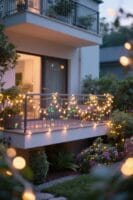
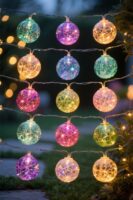
When selecting ivy or vine fairy lights, practical fit matters more than looks alone. Measure the space first, strands commonly range from 5 to 10 feet, and widths reach up to 3.5 feet for fuller coverage. Consider material choices such as PVC leaves and green-coated wiring, which balance realism and weather resistance. Check bulb count and spacing, usually 60–72 LEDs per strand with 3–4 inch intervals, for even illumination. Assess lighting intensity by choosing warm white for soft ambiance or cool white for brighter task-like light, and note multi-color options for events. Verify modes like steady and twinkle, and whether remote or timer features come to the rescue for easy control. For eco-friendly options, look for designs that incorporate sustainable materials, similar to the bamboo handle in Grampas Weeder, to ensure both aesthetic and environmental considerations are met.
Recommended Products

【Ivy Garland Vine Lights with Smart Remote Control】Easy to adjust the light just by remoting aim at transformer: (1). 8 lighting modes to meet your lighting requirements. You can also switch 8 modes through the buttons on the adapter. (2). Memory function, it will remember your last setting after you cut off the power. (3). Four brightness options (25%, 50%, 75%, 100%). (4). 3 Timer modes, the light will automatically ights up at the same time every day.
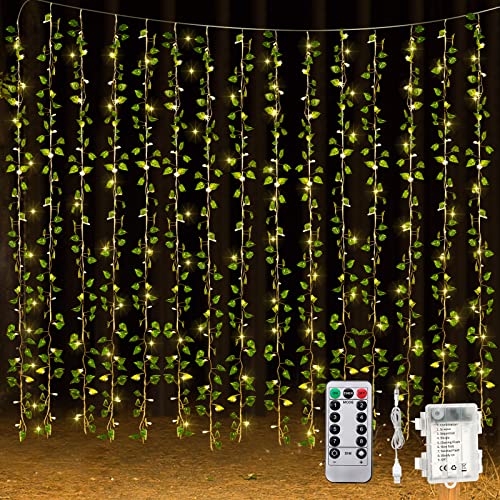
Package Including: you'll receive 15 strings of artificial hanging plants with LED lights, each string is nearly 7 ft long and has 80 green leaves that measure 105 feet; The green curtain decor is about 9.8 x 6.6 ft, each string has 20 LED lights, a total of 300 warm white LED lights

【Pre-Strung Ready-to-Hang Design】No complicated assembly required! The vines with 200 LED warm white lights are pre-attached and designed to prevent tangling—simply unbox, connect to power, and hang up. This design saves considerable time compared to DIY alternatives!
Understanding Power Options: Battery, USB, and Dual-Power Models

How should one pick between battery, USB, or dual-power ivy and vine fairy lights for a given spot? Battery models provide placement freedom for patios and trellises without outlets. USB units suit nearby sockets, power banks, or indoor setups, offering stable current and fewer battery swaps. Dual-power options come to the rescue when flexibility and runtime matter, allowing USB use with AA backups. Compare runtimes, output, and connectors in power source comparisons before buying. Note typical sets use 3 AA batteries and yield up to 100 hours, so battery life considerations must account for chosen lighting mode and LED count. Look for IP44 or IP65 ratings for weatherproofing when selecting fairy lights for outdoor use. Match strand length (5–10 ft) and mounting needs, and prefer dual-power for long events or hard-to-access installations.
Recommended Products

Enchanted Home Decor: Brown bark texture covered, with 144 Leds distributed on 18 branches, artificial but exquisite. These vine lights are perfect for adding a touch of gothic elegance to your bedroom, living room, wall or any other corner of your home

【DIY FLEXIBLE & REALISTIC VINE】All branches, stems and twigs are flexible and sturdy, Iron twig branch wires easy to shape into different shapes to fit your decorating needs. You can also add some fake flowers or ornaments for aesthetic, The shape and texture even look nice during the day when the lights are off.

【DIY FLEXIBLE & REALISTIC VINE】: All branches, stems and twigs are flexible and sturdy, Iron twig branch wires easy to shape into different shapes to fit your decorating needs. You can also add some fake flowers or ornaments for aesthetic, The shape and texture even look nice during the day when the lights are off.
Light Colors and Modes: Setting the Perfect Mood

Why choose warm white over cool white for a backyard pergola? Warm white (2700–3000K) creates cozy, amber tones that flatter wood and plants, while cool white (5000–6500K) reads clinical and highlights flaws. Light color selection also includes multi-color options for events. LEDs with 60–72 bulbs per strand offer even spacing of 3–4 inches, providing uniform glow. Multiple modes come to the rescue. Mode options like constant, twinkling, fading, and chasing allow tailored ambiance for dining or parties. Use timers or remotes to set schedules and conserve batteries, typically 3 AA for battery models. For subtle mood lighting techniques, choose warm white on low brightness or slow fade, and reserve multi-color or chasing modes for brief festive accents. Many plug-in fairy lights feature remote controls that offer instant on/off functionality and access to various dynamic lighting modes, enhancing user experience.
Installation Techniques for a Seamless Natural Look

A careful layout plan speeds installation and helps achieve a natural appearance. Measure the area first, noting lengths in feet, and allow 10–20% extra for drape and overlap. Use pre-wrapped strands with 60–72 LEDs to simplify work, spacing bulbs about 3–4 inches for even glow. Select hanging techniques like discreet clips, green hooks, or twist ties to secure vines without visible hardware. Drape strands in gentle curves, 6–12 inch sag between supports to mimic real growth, and stagger layers for depth. For power, place battery packs or USB adapters hidden in foliage, keeping them within 5–10 feet of outlets or reachable for battery changes. Test modes and adjust leaf placement for consistent natural blending before final fastening. Consider using battery fairy lights with remote control for added convenience, as they allow for easy adjustments of lighting modes and brightness without needing to physically access the lights.
Recommended Products
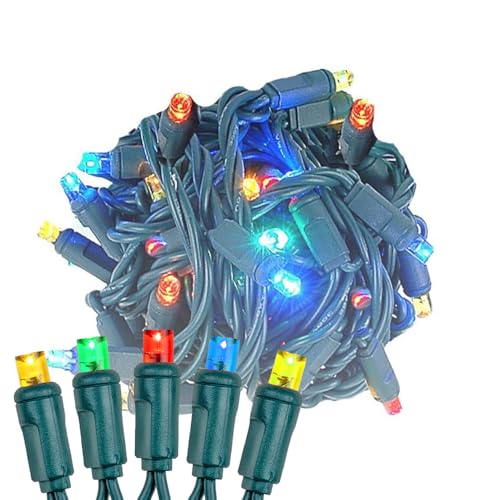
MEMORABLE GLOW: Commercial grade LED Christmas lights radiate a beautiful, multicolor hue, immersing you in the holiday spirit with our 100 Light LED Christmas Mini Light Set.


Solar-Powered Eco-Friendly Operation:Built-in high-efficiency solar panel and 2000mAh rechargeable battery; 6–8 hours of sunlight charging delivers 10 hours of non-stop use, saving energy costs.
Best Outdoor Placements: Patios, Pergolas, Fences, and Trellises

Outdoor structures offer defined surfaces for mounting vine and ivy fairy lights. Patios work well with 5–10 ft strands, draped along beams for even 3–4 inch bulb spacing, creating subtle outdoor aesthetics. Pergolas accept vertical and horizontal wraps, secure with clips every 12–18 inches, and conceal battery packs in post cavities. Fences benefit from top-rail draping or woven placement through pickets, using 60–72 LED strands for continuous illumination. Trellises support climbing ivy strands, attach lights at 6–8 inch intervals, and use UV-resistant PVC foliage for durability. For wet climates, place lights under eaves or use sheltered mounts, and prefer battery or USB options with timer functions to simplify maintenance and garden layering. When selecting mini fairy lights for outdoor use, consider models with an IP44 waterproof rating to ensure they are suitable for various weather conditions, providing both durability and safety.
Recommended Products

Led Net Mesh Lights:Made From Super Bright Leds.The Wire Covered In The Clear Plastic Is Copper Wire,Which Is Really Flexible And Durable.Specification 19.6ftx13ft.They Are Just A Mesh Of Lights,Very Easy To Put And Don't Get tangled!

Smart Christmas LED Cone Tree Lights: 5 feet and 6 feet12 drops LED Christmas tree with star topper. 130 and 156 RGB LEDs, C6 strawberry bubble Shell, 16 million colors, 58 built-in smart scenes, and more, and 4 music modes to choose from. Go beyond the traditional Christmas tree lights and bring you a new lighting experience
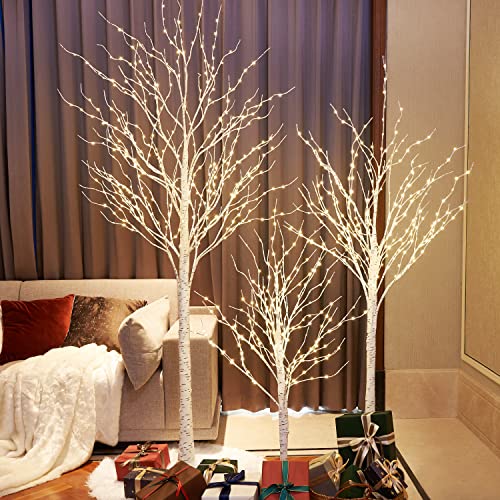
【LIGHTED BIRCH TREE SET】Comes with 4FT-228L, 6FT-321L and 8FT-497L birch trees with led lights, upgraded with more Fairy Lights which create an elegant holiday light show, also gives a gentle feeling in your decorative area
Styling Ideas for Events and Everyday Garden Ambiance
Several simple layering techniques come to the rescue when styling gardens for events or everyday ambiance. Use multiple ivy strands, each 5–10 feet long, draped at varied heights to create depth and full coverage. Add 60–72 LED bulbs per strand for even light spacing of ~3–4 inches between bulbs, ensuring a soft, diffuse glow. Match color temperature to event themes, choosing warm white for intimate dinners or cool white for contemporary parties. Combine battery or USB power sources to allow flexible placement without cords, and use remote or timer functions for convenient control. Place strands along pergola beams at 6–8 feet high, and weave shorter pieces through table centerpieces for ambient relaxation during gatherings. For larger coverage areas, consider purchasing additional packs of solar fairy lights to ensure complete illumination of your outdoor space.
Weatherproofing and Safe Outdoor Use
The garden’s light fixtures should be evaluated for their IP rating before installation. Inspect for IP44 or higher, which resists splashes and small debris, IP65 is preferable for heavy rain exposure. Choose weatherproofing techniques like silicone sealant around battery boxes, rubber grommets where wires pass through wood, and zip-tie bundles to reduce wind strain. Position strands under eaves or inside pergolas, keep connections off the ground by 6–12 inches to avoid puddles. Use outdoor-rated extension cords and GFCI outlets, test circuits before leaving lights unattended. For battery-powered sets, place AA/AAA compartments in sealed bags when needed. Follow manufacturer instructions for LED spacing, mounting clips, and recommended maximum run lengths to guarantee outdoor safety. Consider using ergonomic handle designs in gardening tools to reduce strain, making outdoor garden maintenance less physically demanding.
Recommended Products
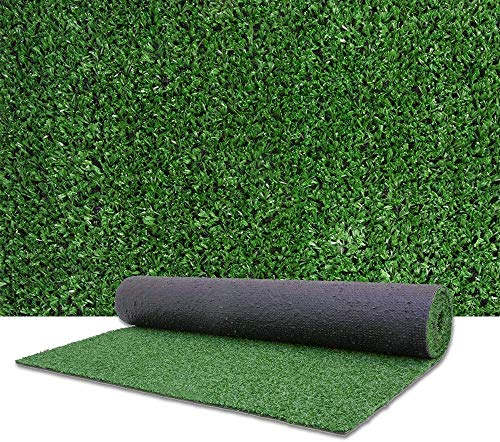
Environment Friendly: High-density grass height about 0.4inch in length, looks and feels like realistic grass; Our artificial grass is non-toxic and lead free, making it an excellent surface for pets and kids to play on. Soft, lush and looks just like natural grass, providing you with year-round green and turf enjoyment.

NOVELTY LIGHTS: Warm, inviting glow of these Novelty Lights C9 LED bulbs, ideal as string light replacement bulbs for Christmas, weddings, or any festive occasion.

Product 1: WHAT’S IN THE BOX - Includes one Philips Hue 130-foot Festavia string light with 500 individual mini smart LEDs; Perfect for Halloween, Christmas, and any other holidays, it can be used to decorate both indoors and outdoors.
Care, Cleaning, and Storage Tips to Extend Lifespan
After checking IP ratings and sealing battery boxes, routine care keeps vine lights performing well. Wipe faux leaves and wires with a damp cloth, avoiding submersion which can damage LEDs and wiring insulation. Use soft brushes for dust in crevices, and a 50:50 water-isopropyl wipe for stubborn grime, tested on a small area first. Remove batteries before cleaning to prevent shorts. Coil strands loosely in 8–12 inch loops to prevent kinks, and secure with soft ties or Velcro. Store in dry, temperature-stable containers, like plastic bins with silica gel packs to control humidity. Label boxes with length and bulb count, 5–10 ft per strand noted. Periodic checks for loose bulbs and frayed wires extend lifespan. Many products feature weather-resistant materials, making them suitable for outdoor applications.
Creative DIY Projects With Faux Vines and LED Lights
A few simple materials and a strand of LED vine lights can transform plain spaces into practical, illuminated features. Gather faux vines (5–10 ft strands), LED sets with 60–72 bulbs, battery or USB power, and basic tools like wire cutters and zip ties. Create DIY planters by lining a 12-inch planter with moss, draping a 6–8 ft vine light strand, and securing ends with clips for stable, evenly spaced bulbs. Make illuminated accents by weaving 3–4 ft mini vines around pergola beams, using adhesive hooks every 12 inches for support. For hanging jars, coil 1–2 ft of lights into glass, seal with lids, and run power through a small opening. Test modes and timers for desired glow and runtime. When selecting your LED vine lights, consider options with multiple lighting modes to create customizable atmospheres that suit any occasion.
Frequently Asked Questions
Can Ivy Lights Be Used to Conceal Security Cameras or Sensors?
Victorianly, yes: ivy lights can provide decorative camouflage but should not be the sole method for concealed security, as they may obstruct sensors, degrade visibility, or violate laws; professional concealment and clear sensor lines remain recommended.
Do Faux Vine Lights Attract Insects or Pests?
Generally no; faux vine lights rarely increase insect attraction because LEDs emit little heat or ultraviolet light. However, placement and outdoor safety matter — nearby real plants or moisture can still draw insects or pests.
Can Ivy Fairy Lights Be Safely Used Around Real Climbing Plants?
Yes — as long as safety guidelines are followed. At the drop of a hat: avoid direct contact, guarantee secure light placement, use weatherproof, low-heat LEDs, keep batteries/USB boxes protected, and inspect regularly for wear.
Are Replacement Leaves or Matching Vines Available if Damaged?
Yes; manufacturers or sellers sometimes offer replacement parts and matching vines. He notes maintenance tips: source identical foliage, secure with clips or adhesive, store spares, and replace damaged leaves promptly to maintain appearance and longevity.
Do Colored Ivy Lights Affect Plant Growth Underneath?
No — colored ivy lights rarely harm plants; colored light effects are generally too weak to impact ivy plant health. Ironically, decorative glow impresses humans more than it alters photosynthesis, posing minimal botanical concern.


