As an Amazon Associate, we earn from qualifying purchases. Some links on this site are affiliate links at no extra cost to you. Our recommendations are based on thorough research and editorial judgment.


Common Grow Light Mistakes and How to Avoid Them

Common mistakes include wrong spectrum and weak intensity. Use blue (400–500 nm) for veg, red (600–700 nm) for flowering, full‑spectrum LEDs come to the rescue. Keep seedlings 6–12 inches from fixtures, mature plants 12–24 inches, adjust with a light meter. Provide ~30 W/ft² for seedlings, ~50 W/ft² for mature plants, and run 16–18 h for veg, 12 h for bloom on a timer. Manage heat, airflow, and monitor leaf signs to learn more.
Key Takeaways
- Using the wrong spectrum: choose full‑spectrum or match blue (veg) and red (flower) peaks to each growth stage.
- Insufficient light intensity: provide ~30 W/ft² for seedlings and ~50 W/ft² for mature plants.
- Incorrect fixture distance: keep seedlings 6–12″ and mature plants 12–24″ from LEDs, adjusting for heat.
- Inconsistent light schedule: run 16–18 hours for veg and strict 12 hours for flowering using timers.
- Poor heat and ventilation: maintain 65–80°F, keep leaf temps 20–28°C, and ensure steady airflow around fixtures.
Choosing the Wrong Light Spectrum for Your Plants
You may be interested


When should a grower consider switching spectra to correct sluggish growth? A grower should observe leaf stretch and slow doubling time. Blue light (400–500 nm) supports vegetative growth, promoting compact, sturdy leaves. Red light (600–700 nm) stimulates flowering plants, aiding bud set and yield. Full-spectrum LED fixtures come to the rescue, delivering balanced wavelengths throughout stages. A common mistakes list includes cheap lamps lacking sufficient blue or red peaks, which reduce photosynthesis and stunt plant growth. Grow lights like the Hlite 16inch LED are designed to provide over 95% light energy absorption, enhancing plant growth potential. Monitor light exposure hours and plant response every 7–14 days. For seedlings use 15–30 μmol·m⁻²·s⁻¹ of blue; for flowering increase red intensity to 200–400 μmol·m⁻²·s⁻¹. This guidance fits indoor gardening systems of varied sizes.
Recommended Products

PREMIUM Foldable 1500W- LED lights specialty manufactured by Sinowell with Samsung LM301 diodes for FULL spectrum light, ideal for ALL STAGES of growth. Large 48x48 footprint for the best light spread and prenetration. Silent functions mean that no fans cause noise pollution in your home. 1500w output incentivizes low cost for the home and runs 50% less energy than “blurple” and other leading LEDs. UL, CE, ETL Certificated.

🌞 TRUE SUNLIKE SPECTRUM – The first LED grow light engineered to replicate a real CMH-style sunlight spectrum. Balanced White, Green, Dual Red (640nm + 660nm), Far Red, and optional UV deliver unmatched canopy penetration and plant performance.

Features Samsung LM301H EVO LEDs each rated at 3.14 µmol/J PPE, the highest efficiency of LM301B, LM301H, and Bridgelux 3030 chips.
Hanging Grow Lights at the Incorrect Distance

How close is too close for a grow light to be hung above plants? Guidelines say 6–12 inches for seedlings, and 12–24 inches for mature plants to prevent burning while ensuring light absorption. Fluorescent fixtures often sit 24–36 inches higher to avoid overheating under the same light intensity. Signs of incorrect hanging lights include yellowing or curled leaves from heat stress, or leggy stems when lights are too far. A grow light setup should allow leaf temperatures of 20–28°C, and include proper ventilation to remove excess heat. Use an LED grow lights manual and a light meter to measure intensity at plant level. Adjust lamp height by plant response and measured PAR, to help plants thrive. Energy efficiency is crucial when choosing LED grow lights, as they can cut electricity costs by 50-70% compared to traditional systems, ensuring both effective lighting and cost savings.
Recommended Products

Kit Included: 60"x60"x80" Grow Tent; Bar LED Grow Light 645W; 8" AeroZesh G8 Fan; GrowHub E42A Controller; 6" AeroWave E6×2; 8" Black Carbon Filter; 8" Prefilter; 8" 25ft Ducting; 8" Clamp×2; 5*5ft Trellis Net; 5Gal Black Grow Bag×10; 8" Vent Cover×2; Pruning Shears; 100m Twist Tie; Sticky Trap×20; Plant Tag×20; Hook & Loop Cable Tie×10; 5 ft Aluminum Ducting Tape; Gardening Gloves; Rope Hanger×2

【WiFi-integrated, Smart&Automated Planting】With the 10AC Power Strip connected to lights,inline fan,clip fan,humidifier, you can intelligently monitor and adjust the temperature and humidity inside the tent, VPD,CO2, Automatically adjust the light switch and brightness, automatically ventilate and circulate, optimize your planting environment through set target values, and achieve maximum yield.It also connects to mobile apps via WiFi for remote integrated control, enabling smart planting anywhere, anytime.

Powerful Lighting: Indoor grow light with high Photon Flux delivers the power density plants need to flourish; great for use with grow tents and single-level gardens
Providing Insufficient Light Intensity for Plant Size

After confirming that lights are at the correct height, attention must shift to intensity, which is how much usable light reaches the plants. Seedlings need about 30 watts per square foot as a baseline, so insufficient light often causes leggy, pale growth and weak stems. Mature plants require roughly 50 watts per square foot for ideal health and fruiting, and underpowered fixtures reduce the ability to photosynthesize effectively. Match grow lights wattage to plant size and growth stage, and choose horticultural lighting with reflectors to improve distribution. Full spectrum lighting is essential for balanced plant growth, enhancing photosynthesis and yield by providing necessary wavelengths. Monitor leaf color, internode length, and overall vigor to judge adequacy. Adjust fixtures or add supplemental units when measurements and plant signs indicate low intensity, then re-evaluate regularly.
Recommended Products
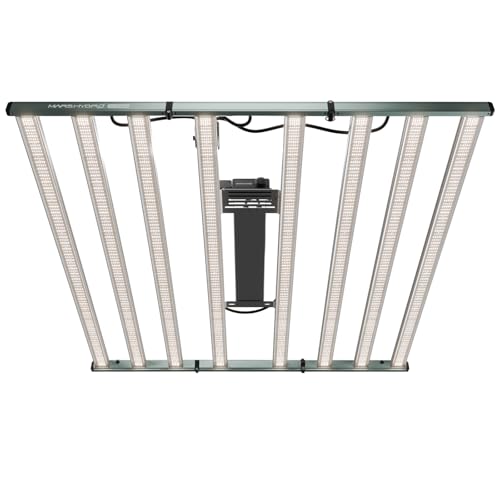
PRO PERFORMANCE & YIELD: Powered by premium Bridgelux 3030 diodes to deliver an impressive 2.9 μmol/J PPE. This high-efficiency 1000W grow light enhances par output, drives bud weight & increases overall crop density for indoor growing.

【MAXIMUM UNIFORMITY & EFFICIENCY】 The Spider Farmer G1000W LED Grow Light delivers unmatched power with 1000 watts and an innovative 8-bar design that extends light coverage to the edges for superior penetration and uniform distribution. Featuring high-efficiency Bridgelux diodes, it produces an output of 2940 µmol/s with an impressive PPE of 2.9 µmol/J. Ideal for commercial vertical grows in a 4x4ft space or a 5x5ft grow tent, especially when used with CO2 supplementation for peak performance

UPGRADED SPECS, BEST VALUE: The upgraded FC-E1000W now features an enhanced OSRAM red spectrum to maximize flowering—without the premium price tag. Built with high-efficiency Bridgelux LEDs, it delivers a powerful, uniform output that rivals top-tier lights. It remains the ultimate best-value choice for boosting yields while staying on budget.
Running an Inconsistent Light Schedule

Because plants depend on regular light and dark periods to regulate growth, growers should run a steady schedule tailored to each stage. Run 16–18 hours for the vegetative stage and a consistent 12-hour cycle for the flowering stage, these light schedules set hormonal cues. Inconsistent light exposure stresses plants, causing stunted growth or disrupted flowering cycles. Timers come to the rescue; automate light schedules with reliable digital timers to maintain exact light cycles, avoiding human error. Digital timers feature advanced functions, including backup batteries and programmable cycles, to enhance precision in lighting schedules. Watch for insufficient light and for overexposure; both harm photosynthesis and energy balance. Monitor plant responses—leaf angle, internode length, and bud set—and adjust light duration in small increments, for example 30 minutes, to achieve stronger, healthier growth without shocking plants.
Recommended Products

Innovative halo design produces uniform coverage and deeper light penetration to maximize plant yields.

Space-Saving 81 Pods Complete Indoor Garden Kit: This efficient hydroponics growing system is a space-saving indoor garden that houses 81 plants. It comes as an all-in-one kit (seeds not included), making it the perfect gardening gift and a ready-to-use indoor herb garden kit for home gardening.

Use this indoor garden to grow up to 9 different herbs, veggies, or flower varieties at once
Ignoring Heat and Ventilation Needs

A well-planned ventilation strategy is essential when using grow lights, especially high-output LEDs that still produce substantial heat. Make sure temperatures stay between 65–80°F for healthy plants; prolonged higher temperatures cause stress and stunted growth. Provide consistent airflow around fixtures with oscillating fans, ducting, or inline exhaust fans to dissipate heat effectively. Monitor leaf temperatures directly; aim for 20–28°C and treat readings above 30°C as a sign lights are too close or ventilation is inadequate. Position LED fixtures to allow 5–12 cm clearance for passive cooling, and add active ventilation for dense canopies. Good ventilation also improves lamp lifespan and efficiency, reducing thermal degradation. Regular checks and basic monitoring equipment come to the rescue in preventing heat damage. Consider energy-efficient models to reduce electricity costs, as LED grow lights can offer up to 70% lower energy consumption compared to traditional lighting solutions.
Recommended Products

Sturdy and durable, rust-resistant anthracite powder-coated frame made of heavy duty aluminum and galvanized steel connectors

100-Liter Brooder & Incubator: Safe multipurpose incubator is designed for pet breeding and wildlife rescue, providing a perfect temperature and humidity-controlled environment for birds, puppies, kittens, and small animals

PREMIUM Quant-LED light GROW LIGHT - LED lights specialty manufactured by VIVOSUN with Samsung LM301 diodes for FULL spectrum light, ideal for ALL STAGES of growth. Energy efficient with a high reflective hood and adjustable dimmer to give plants optimal light intensity and spectrum. Silent functions mean that no fans cause noise pollution in your home. 600w output incentivizes low cost for the home and runs 50% less energy than “blurple” and other leading LEDs. UL, CE, ETL Certificated.
Overlooking Humidity Changes Caused by Lights
When grow lights run for long periods, they often lower indoor humidity, so growers should monitor moisture levels closely. Grow lights increase air temperature and cause moisture loss from leaves and soil, which can lead to plant stress and slower growth. A hygrometer gives continuous readings; aim for ideal humidity between 40% and 60% for most houseplants. Check levels near the canopy and at pot height, every day during hot light cycles. Pebble trays with water come to the rescue, raising local humidity by evaporation around pots. Small electric humidifiers regulate larger spaces, with output settings of 100–300 mL/hour suitable for single racks. Adjust ventilation to balance heat and moisture, and watch for wilting or brown leaf edges as warning signs. For gardeners using manual tools, ergonomic features designed to reduce user strain are essential to ensure comfort and efficiency during gardening tasks.
Switching to LEDs Without Adjusting Watering and Care
Though LEDs run cooler than HID lights, their lower heat output often means soil dries more slowly. Growers must change the watering schedule, reducing volume by about 10–30% and increasing intervals to prevent overwatering. Monitor soil moisture levels daily for the first two weeks, using moisture meters that read 0–100% or 10–60% scales; aim for 20–40% for many vegetables, 30–50% for flowering plants. Adjusting care includes watching humidity, as LEDs raise ambient moisture less than HIDs, so transpiration drops. Root issues like rot and fungal infections can appear if wetness persists. Acclimate plants gradually, check pots for drainage rate of roughly 1–2 minutes per inch of water applied, and train caretakers to log readings and actions. When selecting LEDs, consider energy-efficient options that can significantly reduce electricity costs and enhance plant growth.
Neglecting Light Maintenance and Overall Grow Room Factors
Preventive maintenance keeps grow lights performing near peak output. Dust on LED grow lights can cut light output by 20–30%, so wipe fixtures weekly with a soft, dry cloth. Monitor temperature and humidity levels; keep temperatures 20–28°C (68–82°F) and relative humidity 40–60% for many crops, adjust per species. Verify airflow around fixtures at 0.2–0.5 m/s to prevent heat buildup, which shortens lamp life and causes light stress in plants. Group plants by light and moisture needs to optimize distribution and reduce shading. LED lights, such as those used in decorative vine fairy lights, provide safe and low-power illumination, remaining cool to the touch. Keep a daily journal recording plant health, light adjustments, and environmental readings; note leaf cupping, bleaching, or slowed growth as early stress signs. Treat maintenance and grow room factors as routine checks that come to the rescue.
Frequently Asked Questions
How to Tell if Grow Light Is Too Strong?
Bleaching, browning, stunted growth, curled leaves, leaf drop and elevated leaf temperatures reveal the grow light is too strong. They check light intensity, PAR, light distance, heat output, light duration, light spectrum, light color, light coverage, growth stage, plant species and perform light adjustment.
What Is the Common Problem With LED Lights?
About 60% of growers report inadequate output; the common problem with LED lights is mismatched performance: LED light heat, Light spectrum, Energy efficiency, Light intensity, Plant type, Growth cycle, Coverage area, Light placement, Duration timing, Color temperature.
How Do You Correctly Use a Grow Light?
Position grow light placement by plant height, maintain correct light distance and intensity, use appropriate light spectrum and reflector usage, set timer settings for light duration, manage heat management, optimize energy efficiency, and monitor plant height consistently.
Why Are My Plants Dying Under Grow Light?
Plants die under grow light because improper light duration, wrong light distance, mismatched light spectrum, heat buildup, nutrient deficiency, or errant watering schedule cause stress signs; plant variety, growth rate, and photoperiod adjustment must be evaluated.


