As an Amazon Associate, we earn from qualifying purchases. Some links on this site are affiliate links at no extra cost to you. Our recommendations are based on thorough research and editorial judgment.


Fire Safety Considerations for Outdoor Decorative Lighting

Outdoor decorative lighting should use GFCI‑protected 120‑V, 15‑ or 20‑A circuits to reduce shock risk. Use wet‑location (UL or IP44/IP65) fixtures and outdoor‑rated cords marked “W” or “SJTW.” Limit loads to three linked mini‑light strands or 50 screw‑in bulbs per circuit, and keep plugs elevated and dry. Inspect for frayed wires, cracked sockets, or corrosion before use, store in dry 40–70°F conditions, and hire a licensed electrician for permanent wiring or near water to learn more.
Key Takeaways
- Use outdoor/wet-location listed fixtures and cords (IP44 or higher) to prevent water intrusion and overheating.
- Prefer LED lights and limit linked strands to avoid excessive heat and circuit overloads.
- Inspect cords, sockets, and plugs for frays, cracks, or corrosion before each season and replace damaged items.
- Keep plugs, connections, and extension cord splices elevated and dry, and use GFCI-protected outlets for all outdoor lighting.
- Secure lights with nonconductive, corrosion-resistant fasteners and avoid contact with combustible materials or vegetation.
GFCI Protection for Outdoor Receptacles
You may be interested
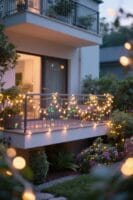


Most outdoor receptacles require GFCI protection to reduce shock hazards in wet conditions. The guide states that GFCI protection (ground fault circuit interrupter) trips within 20–30 milliseconds if leakage exceeds about 4–6 milliamps, preventing serious shocks. Installations for outdoor use must use GFCI devices meeting national electrical code requirements, typically 120-volt, 15- or 20-amp receptacles. Test them monthly using the built-in TEST and RESET buttons, following manufacturer instructions. If receptacles lack GFCI protection, hire a qualified electrician to install a weatherproof, in-use rated GFCI or a GFCI breaker. Aging wiring increases leakage and arcing risks, so combine GFCI protection with periodic inspections. During the holiday season, these measures come to the rescue for electrical safety. When installing decorative lighting, consider options with IP44 waterproof rating to ensure safety against electrical hazards in outdoor settings.
Recommended Products

35,000 BTU HEATING POWER: This 35k BTU pool heater delivers steady warmth for small pools and spas. Ideal as an above ground pool heater or compact inground pool heater to extend your swim season.

Triple-Color Lighting Effect: Unlock a new era of ambient lighting with Govee Permanent Outdoor Lights Prism. One head, 3 dynamic color zones, limitless DIY. Ditch monotone lighting and enhance your outdoor decor layering.

8,000W Gas / 7,200W LPG Dual Fuel Backup Power – Choose gasoline for higher rated output or LPG for flexible fuel storage while powering home essentials, jobsite tools, outdoor equipment, and basic RV loads during outages or off-grid use.
Choosing Wet‑Location Listed Lights and Cords
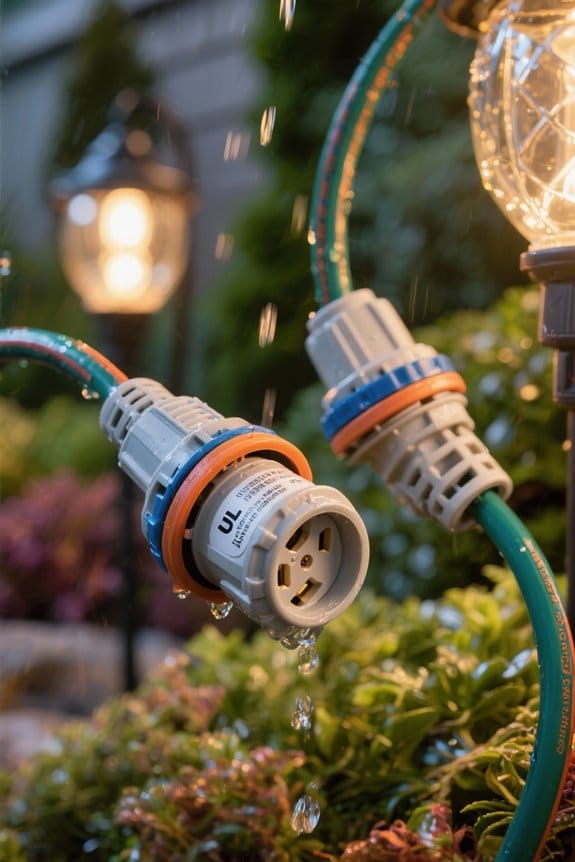
After ensuring outdoor receptacles have GFCI protection, attention should shift to selecting lights and cords rated for wet locations. Wet-location listed fixtures withstand direct water exposure, with UL ratings marked “Wet” for roofs, awnings, or open-air displays. Choose products with IP65 or higher ingress protection for heavy spray resistance, or IP44 for occasional moisture. Use wet-location listed extension cords with insulated, weatherproof jackets, typically 14 AWG for runs under 50 feet and 12 AWG for longer runs to limit voltage drop. Verify labels for outdoor electrical compliance and local code approval. Protective coverings and sealed connections come to the rescue when strands cross gutters or rest near sprinklers, reducing electrical fire hazards and prolonging equipment life. Consider using 66Ft 200LED Fairy Lights that offer both waterproof durability and customizable lighting modes for an enhanced outdoor ambiance.
Recommended Products

[ Upgraded HIGH BAY LIGHT ] - 2025 new technology + constant current driver + high efficacy chip + increased heat sink, from every detail to give you the best lighting effect, professional R & D team designed for industrial-grade commercial-grade places

[Long Lifespan&Energy Saving]-papasbox led garage lights Using high-quality 2835SMDs LED chip, the average life span is more than 50,000 hours. Compared with incandescent lamps and halogen lamps, our LED Flood Light can save more than 85% of electric energy.

3 Wattage Adjustable: The 320 watt parking lot lights come with 3 wattage options (320W/256W/192W in 1 fixture). Just slide the switch of parking lot pole light to select your desired wattage during installation for different brightness that suits your needs
Inspecting Light Strands and Extension Cords

Inspecting light strands and extension cords should start with a careful visual check for cracks, frayed wires, or broken sockets before any connection is made. Inspecting light strands involves looking for exposed conductors, missing insulation, loose bulbs, and corrosion on contacts, which can create fire risks if ignored. Extension cords must be rated for outdoor use, with markings such as “W” or “SJTW,” and should show no cuts or crushed areas. Replace damaged items rather than attempting field repairs. Measure total wattage to avoid overloads; for example a 16 AWG outdoor cord often handles about 13 amps (1560 watts at 120V), while 12 AWG handles 20 amps (2400 watts). Proper inspection reduces electrical failures and prevents fires. Consider using waterproof battery boxes to protect connections and prevent moisture from causing shorts and potential fire hazards.
Recommended Products

Meets the following UL and CSA standards for Flexible Cords and Cables: UL62 and CSA C22.2 . SOOW stands for S = Service Cord, OO = Oil Resistant (both inside and outside insulation), W = Weather and Water Resistant.

Meets the following UL and CSA standards for Flexible Cords and Cables: UL62 and CSA C22.2 . SOOW stands for S = Service Cord, OO = Oil Resistant (both inside and outside insulation), W = Weather and Water Resistant.
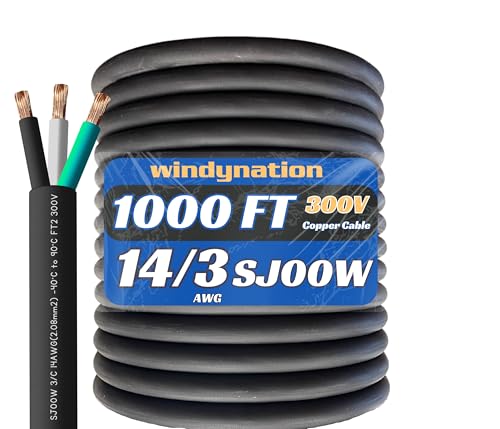
This selection includes 1,000 Feet of 14/3 SJOOW cable.
Safe Power Connections and Load Limits

When outdoor lights are powered, crews should connect them only to GFCI-protected circuits to reduce shock and fire risk. Safe power connections rely on using GFCI outlets, which trip when current leakage occurs, preventing electrocution and ignition. Use extension cords rated for outdoor use; they withstand moisture and temperature changes. Limit linked strands to three mini-light strings or 50 screw-in bulbs maximum to avoid exceeding typical 15-amp branch circuits. Inspect cords and strings for frays, exposed conductors, or damaged insulation before and during use. Keep plugs and connection points elevated and dry, using weatherproof covers where possible, to prevent shorts. Additionally, using battery-operated options for decorative lighting eliminates the need for electrical outlets and provides flexibility in placement, enhancing safety in areas without power access. When load limits are approached, distribute lighting across circuits or use a properly sized outdoor-rated power distribution box to come to the rescue.
Recommended Products

Delivers up to 2000W of power, at either 115V or 230V.

UNMATCHED CLEANING POWER: Robust induction motor, 2300 PSI TruPressure and 1.2 GPM for tough tasks. Independently tested and CETA certified for proven performance you can trust.
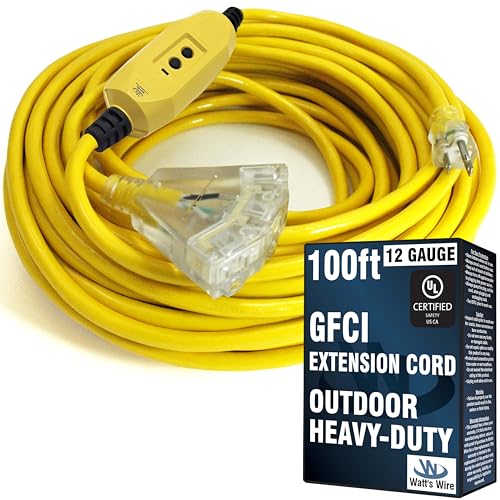
Outdoor Design: Our 100ft outdoor extension cord waterproof design can handle water, sun, abrasion, and cold. A reliable 3 prong extension cord 100 ft for tools, lights, generators and much more. *(Plugs are not submersible. Avoid pooling or running water at the connections.)
Proper Mounting and Support Methods

Safe power connections set the stage for secure mounting and support methods that keep outdoor lighting in place. Proper mounting requires fastening holiday lights to secure structures like buildings, fences, or trees using clips made for lights, which resist wind and reduce strain. Inspect fasteners regularly for wear or corrosion, replace damaged clips, and follow manufacturer spacing to allow heat dissipation between strings, reducing fire risk. Use outdoor-rated extension cords and avoid water, mud, or damp routes to minimize electrical hazards, choosing cords with GFCI protection when possible. When working overhead, guarantee ladders extend three feet above the work surface to provide stable support during installation. Routine checks confirm fixtures remain secure throughout the season, preventing failure and hazards. Look for sealed battery or plug housings for outdoor durability and low heat LEDs to reduce fire hazards.
Ladder and Height Safety When Hanging Lights
Before climbing, select a ladder tall enough so its top extends at least three feet above the roof edge or work area. Use a sturdy ladder constructed from fiberglass or wood, non-conductive materials that reduce electrical shock risk when doing holiday decorating near outlets. Inspect rungs, locks, and feet for damage before use. Place the ladder on a flat, stable surface, and have an assistant hold the base for added stability. Keep at least 10 feet from overhead power lines to prevent accidental contact. Face the ladder and keep the body centered, maintaining three points of contact—two hands and one foot, or two feet and one hand—while working. Avoid overreaching; move the ladder instead. Follow manufacturer weight and angle specifications for safe setup. Consider weather-resistant materials when selecting outdoor decorative lighting to ensure durability and safety in adverse weather conditions.
Keeping Lights Clear of Flammable Materials
Although outdoor lights add curb appeal, they must be kept clear of nearby flammable materials to prevent fires. Maintain at least 12 inches of clearance from tree branches, dried leaves, and fabric items to reduce fire risks. Inspect surroundings before installation, remove debris and combustible objects that could become a potential fire source. Use non‑flammable hangers or clips; avoid nails and staples that can pierce wiring and create shorts. Position strands away from rooftop edges and eaves to prevent dripping water from causing electrical faults that might ignite materials. Verify lights are rated for outdoor holiday use and follow manufacturer placement guidance for safety compliance. Regular checks after storms or wind help detect new hazards, keeping lights safe and effective. Consider using waterproof designs to enhance the durability and safety of outdoor lights, as these protect against damp conditions and reduce the risk of electrical faults.
Recommended Products

Item #: 31450603

REUSABLE CANDLE HOLDERS FOR CANDLELIGHT SERVICES - Enhance your church vigils, memorial services, and Christmas Eve celebrations with Concordia Supply's reusable plastic candle holders. Designed to protect hands from hot wax, these holders provide a safe and serene atmosphere for any event. (Wax candles are sold separately)

7.5' Cashmere Mixed Pine Christmas Tree
Outdoor Lighting for Cold and Wet Conditions
Outdoor-rated lighting makes a noticeable difference in cold, wet climates. Use fixtures labeled for “damp” or “wet” locations to withstand direct moisture exposure, they meet IP44 or higher ingress protection ratings. Choose all-weather string lights with sealed sockets and corrosion-resistant copper or stainless-steel contacts for durability. Prefer LED lights, which run cool and use 75% less energy than incandescent equivalents, reducing heat-related risks in freezing conditions. Employ outdoor-rated extension cords and GFCI-protected outlets to prevent shocks from melting ice or pooled water. Inspect cords for fraying, cracked insulation, or corrosion after storms, replacing damaged sets immediately. Avoid overloading electrical outlets; keep total load below 80% of circuit capacity, for example under 12 amps on a 15-amp circuit. Consider investing in energy-efficient fixtures that cut electricity costs by 50-70% compared to traditional systems, ensuring both safety and savings in the long run.
Maintaining and Storing Holiday Lighting Safely
A few simple steps make storing holiday lights safer and extend their usable life. Unplug strings before replacing bulbs or packing, preventing electric shock hazards and accidental short circuits. Inspecting decorations is critical; look for frayed wires, cracked sockets, or loose plugs, discard items showing damage exceeding 3 mm insulation breaches. Use labeled storage containers or original packaging to prevent tangles and protect bulbs, 12 x 12 x 6 inch boxes work well for standard 25–50 ft strands. Store lights in a dry, cool place, between 40–70°F, away from moisture and extreme temperatures that degrade insulation. To ensure the safety of your decorations, consider using heavy-duty Velcro strips for securing items that are prone to shifting or falling. These practices provide protections from fire hazards and simplify reuse, helping homeowners maintain reliable, safe displays year after year without guesswork.
When to Hire a Qualified Electrician and Obtain Inspections
Some situations clearly call for a qualified electrician to come to the rescue. Hire a qualified electrician for large holiday displays, permanent hardwiring, or circuits near water, since local codes and AHJ rules can vary. Temporary lights may run up to 90 days per NEC 590.3(B), but longer arrays often require inspection and permits. Ascertain all outdoor receptacles have GFCI (ground-fault circuit interrupter) protection, installed to trip at 6 mA to 30 mA depending on local code. Verify that lights are listed and labeled, showing UL or equivalent marks, and replace damaged cords over 18 AWG. Consider using battery operated lights with remote controls for safer and versatile outdoor decorative lighting. Schedule periodic inspections for aging wiring, loose connections, or corroded fixtures, typically every 3–5 years, or before major seasonal installations.
Frequently Asked Questions
What Is the Rule of Thumb for Outdoor Lighting?
Like a careful gardener trimming hedges, the rule of thumb limits connections to three strands or 50 bulbs; placement guidelines, brightness levels, energy efficiency, and weather resistance guide safe installation and maintenance to prevent overheating and hazards.
Are Outdoor Lights a Fire Hazard?
Yes. He notes outdoor lighting can be a fire hazard if improperly used; decorative fixtures require adherence to safety regulations, regular inspection, correct installation, and fire prevention measures to reduce risks and guarantee safe operation.
What Are the 4 P’s of Fire Safety?
The 4 P’s of fire safety are People, Property, Prevention, and Preparedness. He mentions fire prevention strategies, outdoor lighting materials, electrical safety measures, and landscaping fire risks as key considerations for effective protection and response.
Can LED Lights Get Hot Enough to Start a Fire?
Yes; LEDs can get hot enough to start a fire if misused. They require LED heat generation awareness, safe installation practices, appropriate lighting material choices, and consideration of humidity effects to reduce ignition risk.


