As an Amazon Associate, we earn from qualifying purchases. Some links on this site are affiliate links at no extra cost to you. Our recommendations are based on thorough research and editorial judgment.


Heat Management When Using Grow Lights: Protecting Your Plants

Heat control matters for healthy plants. Use LEDs 12–24 inches (30–60 cm) above the canopy to limit radiant heat, since LEDs emit about 10–20°C above ambient while HPS can add 15–30°C. Keep air 65–80°F (18–27°C) and RH 40–60%, employ inline exhaust fans ~200–400 CFM for small rooms, add oscillating fans for circulation, and monitor with thermometers, hygrometers and PAR meters; automation can trigger fans or dehumidifiers to prevent stress, learn more strategies next.
Key Takeaways
- Keep canopy temperature between 65–80°F (18–27°C) to avoid heat stress and reduced yield.
- Position LED fixtures 12–24 inches (30–60 cm) above the canopy, adjusting for wattage and plant stage.
- Use inline and oscillating fans plus exhaust intake to exchange hot air and maintain stable conditions.
- Monitor with thermometers, hygrometers, and PAR meters, and clean lights every 1–2 weeks to preserve output.
- Automate fans, timers, and dehumidifiers to react when temperature exceeds 80°F or humidity rises above 60%.
Understanding Heat Output From LED and HPS Grow Lights
You may be interested


When comparing LED and HPS grow lights, the difference in heat output is one of the clearest operational contrasts. LED grow lights emit minimal external heat, often less than 10–20°C above ambient at fixture surface, which helps with temperature management and reduces ventilation needs. HPS lights generate substantial radiant heat, frequently raising canopy temperatures by 15–30°C without cooling, so fans or ACs often come to the rescue. LEDs retain most heat in the unit, lowering evaporative demand and aiding plant health by stabilizing vapor pressure deficit. HPS lights force extensive ducting and extraction to maintain environmental control. For practical setup, monitor canopy temps with infrared thermometers, size exhaust fans in CFM to match heat load, and plan sensor placement accordingly. Additionally, clean tearing allows for precise application when managing ducting and ventilation adjustments for HPS setups, ensuring efficiency and minimizing waste.
Ideal Temperature and Humidity Ranges for Plant Growth

How warm and humid should a grow space be to keep plants thriving? The ideal environment is 65–80°F (18–27°C) with 40–60% relative humidity, which supports healthy growth without stress. High temperatures cause heat stress and reduced yield, so managing the heat matters. Efficient LED lights come to the rescue, producing less waste heat and aiding temperature and humidity control. Regular maintenance of fans, vents, and humidifiers prevents harmful fluctuations, and simple digital sensors give continuous readings. For seedlings, aim for the lower end of ranges; for flowering plants, use the higher end at night and slightly lower by day. Many energy-efficient LED grow lights incorporate features such as built-in timers and dimmable settings, promoting sustainable gardening practices while ensuring optimal lighting conditions. This approach is efficient and cost-effective, combining equipment choice and routine checks to maintain peak conditions.
How Light Intensity and Distance Affect Plant Heat Stress

Why place LED fixtures 30–60 cm (12–24 inches) above the canopy for most setups? Maintaining that distance reduces heat stress while delivering usable light intensity for ideal conditions. LED grow lights emit focused photons, and placing them too close causes excessive irradiance, leaf yellowing, and light burn. Regularly adjust distance by plant type and fixture wattage, for example lowering lights during seedlings and raising during flowering. Use a light meter to measure PAR or lux, and aim for manufacturer recommended values to prevent thermal stress. Monitoring promotes healthy plant growth and lets growers respond to visible cues. Small tweaks to height, along with stage-specific intensity targets, come to the rescue to sustain consistent, efficient, and safe plant growth. Efficient thermal paths and adequate heat management are crucial in preventing excessive temperatures, which can damage plants and reduce the lifespan of your grow lights.
Ventilation and Airflow Strategies for Cooler Grow Spaces

Although air movement alone will not cool a room, it can prevent heat pockets and lower canopy temperatures by several degrees. Proper ventilation in a grow room exchanges hot air for cooler intake, maintaining target temperature ranges between 20–26°C for many crops. Use inline fans rated 200–400 CFM for small rooms, larger units for bigger spaces, to promote consistent airflow across the canopy. Position oscillating fans to avoid direct leaf blasting, and place exhaust fans high, intake low, to aid convection. Monitor humidity, keeping it near 40–60% with a hygrometer, since airflow affects moisture. Inspect ducts and filters weekly for blockages so cooling systems operate efficiently. Consistent ventilation reduces heat stress and stabilizes conditions for better yield. Outdoor environments can be enhanced with ambient lighting to create a magical atmosphere, and using IP44 waterproof fairy lights ensures durability in outdoor weather conditions.
Recommended Products

Direct Drive Square Inline Exhaust Fan - Stainless Steel with 9" Centrifugal Wheel.

TOP INDOOR GROW TENT: Our 24" x 24" x 60" grow tent comes with 600-WATT FULL SPECTRUM LED Grow Light that delivers optimal light-spectrum coverage, more power for bloom, maximum PAR output at various distances, and super-bright lights. With two separate switches, Veg and Bloom function. Designed for SUPER ENERGY SAVING and works great in a closet, pantry, or corner of your room.

【WiFi-integrated, Smart&Automated Planting】With the smart controller 43 connected to lights,inline fan,clip fan,humidifier, you can intelligently monitor and adjust the temperature and humidity inside the tent, VPD,CO2, Automatically adjust the light switch and brightness, automatically ventilate and circulate, optimize your planting environment through set target values, and achieve maximum yield.It also connects to mobile apps via WiFi for remote integrated control, enabling smart planting anywhere, anytime.
Implementing Heat Sinks, Fans, and Liquid Cooling Systems

Begin with a thermal plan that pairs heat sinks, fans, and optional liquid cooling to protect LED arrays and ballast units. Heat sinks, metal blocks or fins, dissipate heat from diodes; choose aluminium fins with 1–3 mm thickness and surface area sized to match wattage, roughly 10 cm² per watt. Fans improve room circulation and reduce hotspots; install axial fans delivering 200–600 CFM near fixtures, and use variable speed controllers for quiet operation. Liquid cooling systems come to the rescue for high-density setups, circulating coolant through cold plates to achieve precise temperature regulation within 65–80°F (18–27°C). Combine methods for redundancy, and maintain them: clean fans monthly, check pump flow 1–2 L/min, and inspect heat sink contact and thermal paste annually. Energy-efficient designs like LED reduce power consumption and are ideal for long-term indoor gardening applications.
Recommended Products

Ultra-fast: over 2x faster than Thunderbolt portable enclosures with up to 3836MB/s real-world performance
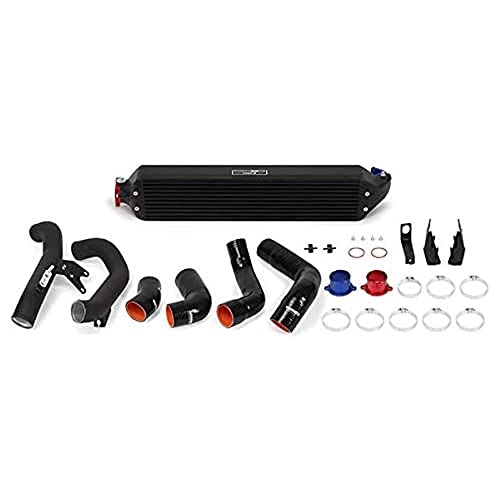
Compatible with the 2016-2021 Honda Civic 1.5T and Si

Direct-fit for all 2014+ Chevrolet Silverado 1500 V8
Monitoring Tools: Thermometers, Hygrometers, and Light Meters
After installing heat sinks, fans, or a liquid cooling loop, monitoring conditions becomes the next practical step. Thermometers track temperature, ensuring the grow space stays within 65–80°F (18–27°C), a range supporting healthy growth. Hygrometers measure humidity, which should sit between 40–60% to reduce mold risk and maintain moisture availability for roots. Light meters read light intensity in µmol·m⁻²·s⁻¹ or foot-candles, guiding LED distance and duration to prevent light burn. Regular checks using these tools prevent stress and stabilize the environment, boosting yields. Devices with digital displays and data logging come to the rescue for trend analysis over days and weeks. Full spectrum coverage ensures that plants receive the necessary light wavelengths for every growth stage, enhancing the effectiveness of your lighting setup. Calibrate instruments periodically, and place sensors at canopy level for accurate, actionable readings.
Managing Vapor Pressure Deficit (VPD) for Optimal Transpiration
Vapor pressure deficit (VPD) measures the gap between how much moisture the air currently holds and how much it could hold at a given temperature, expressed in kilopascals (kPa). VPD guides transpiration, the plant’s water movement and cooling. Aim for 0.8–1.2 kPa for ideal transpiration, which balances gas exchange and stress. LED grow lights help manage heat and provide stable temperature, making VPD control easier. Monitor humidity levels with a hygrometer and temperature with a thermometer, adjust ventilation or humidification as needed. For example, raise RH to lower VPD, or increase airflow to slightly raise it, keeping changes gradual. Consistent conditions reduce pathogen risk and improve growth efficiency, making LEDs come to the rescue. Full-spectrum options are recommended for greenhouses as they provide consistent lighting conditions that mimic natural sunlight, which is essential for maintaining the right VPD levels.
Daily and Seasonal Maintenance to Reduce Excess Heat
When performed regularly, daily and seasonal maintenance keeps LED grow rooms cooler and more efficient. Clean LED grow lights every 1–2 weeks to remove dust that reduces photon output and causes heat build-up. Inspect airflow daily; guarantee fans and ducting provide adequate ventilation of 0.5–1.0 m/s near fixtures to aid heat dissipation. In high-humidity seasons, use dehumidifiers set to 50–60% RH to prevent condensation that worsens heat management. During hot months, run lights during cooler night or early-morning periods to lower canopy heat exposure by several degrees Celsius. Multiple lighting modes in plug-in fairy lights can inspire similar adaptability in managing grow light settings for different plant needs. Make seasonal adjustments to light spectrum and maintain a 30–60 cm distance for typical 300–600 W fixtures to limit radiant heat. Daily maintenance and planned seasonal changes come to the rescue, preserving stable growth conditions.
Smart Controls and Automation for Precise Temperature Management
Because precise control reduces stress on plants, smart automation systems now come to the rescue in modern grow rooms. Smart controls link sensors, timers, and actuators to adjust LED grow lights automatically, preventing overheating and light burn. Timers set photoperiods, for example, 16/8 for veg, minimizing excess heat during sensitive stages. Automated ventilation systems engage fans and ducts when temperatures exceed 80°F (27°C), or humidity rises above 60 percent. A smart thermostat maintains 65–80°F (18–27°C) for steady growth, switching heating or cooling as needed. Remote monitoring reports environmental conditions in real-time, enabling adjustments from phones or computers. These integrations improve operational efficiency, reduce manual intervention, and provide repeatable temperature management for reliable crop performance. Incorporating digital timers with backup batteries can enhance the reliability of automated systems by ensuring uninterrupted operation during power outages.
Recommended Products

Handles Even the Big Appliances: Run major home appliances with 7200W of rated power (14,400W surge). Supports both 120V and 240V for powerful more devices, even a 5-ton AC for comfortable indoor temperatures or a water heater for a hot shower.

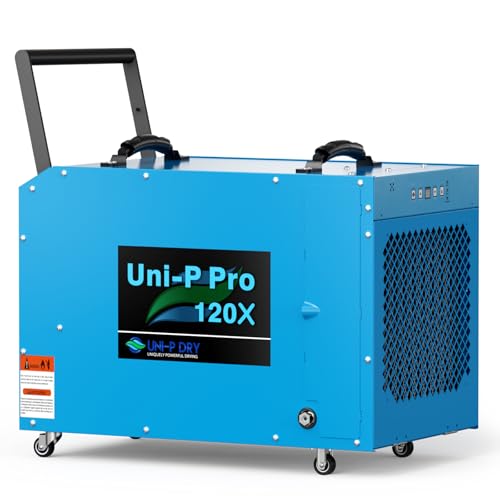
High-Capacity Commercial Dehumidifier – The AlorAir x Uni-P Dry Pro 120X is equipped with a high-efficiency compressor, capable of removing 235 pints per day (Saturation, 90°F/90% RH) and 120 pints per day (AHAM, 80°F/60% RH). Ideal for crawl spaces, basements, warehouses, gyms, spas, indoor farming, breweries, and storage facilities, it effectively controls humidity to prevent odors, and structural damage
Frequently Asked Questions
Do Grow Lights Provide Heat for Plants?
Yes, grow lights provide light heat to plants; heat sources vary by grow light types, affecting plant temperature. Proper light distance and intensity help maintain ideal conditions, minimizing excess heat and protecting plant health.
How to Dissipate Heat From LED Lights?
Gently encouraging, one replies: deploy heat sinks, ventilation systems and portable fans as primary cooling solutions; add reflective materials, thermal insulation and routine cleaning to disperse warmth efficiently, preserving fixture life and plant comfort.
How Do I Protect My Plants From Extreme Heat?
They advise maintaining temperature regulation and humidity control, using air circulation, shading techniques, and plant insulation to reduce heat stress; combining fans, vents, evaporative cooling, reflective shields, and proper light distance protects plants from extreme heat.
Why Is My Grow Light Burning My Plants?
Plants are burning because excessive light intensity and improper grow light distance cause plant stress; burn symptoms like yellowing and browning appear. Incorrect light duration and high temperatures exacerbate damage; maintain ideal temperatures and adjust distance and timing.


