As an Amazon Associate, we earn from qualifying purchases. Some links on this site are affiliate links at no extra cost to you. Our recommendations are based on thorough research and editorial judgment.


Manual Vs Mechanical Weeders: Understanding Your Options

Manual weeders are hand tools like hoes, sickles, and 2–5 cm blades for precise removal of shallow annuals. They work best at the 2–3 leaf stage, cover about 0.05–0.1 acres per day, and cost roughly ₹300–₹600, ideal for tight spacing and low soil disturbance. Mechanical weeders are powered hand-held or walk-behind units, 5–7 hp for power weeders, cover 0.5–1.5 hectares daily, cost ₹25,000–₹75,000 upfront, and save labor. Hybrid walk-behinds add attachments and wider functionality, and further detail follows for selection and ROI.
Key Takeaways
- Manual weeders cost less upfront (₹300–₹600), are emission-free, and best for small plots and precise weeding around seedlings.
- Mechanical weeders (₹25,000–₹75,000) work 3–4× faster, covering up to an acre in 2–3 hours, reducing labor needs.
- Use manual tools for tight spacing (<15 cm) and shallow-rooted weeds at the 2–3 leaf stage for minimal soil disturbance.
- Mechanical and hybrid units (₹50,000–₹1,50,000) offer attachments and higher throughput, with subsidies and training easing adoption.
- Choose by scale, budget, precision needs, and availability of fuel/maintenance support to maximize ROI and crop health.
What Are Manual Weeders and How They Work
You may be interested


Manual weeders are simple hand tools that come to the rescue for precise, small-scale weed control. They are manual tools like hoes, sickles, and handheld weeders, each designed for specific tasks and soil types. Small handheld weeders have blades 2–5 cm wide for root extraction near delicate plants. Hoes provide a 15–30 cm cutting edge for larger patches. This method targets annuals and shallow perennials that lack deep rhizomes. Wait until weeds reach the 2–3 leaf stage for easier removal, and work when soil moisture is moderate for less resistance. Removing weeds by hand reduces equipment cost but increases time and labor, and can cause significant physical strain without proper posture and short, frequent sessions. Utilizing ergonomic features in manual weeders can help prevent gardening-related injuries, making these tools more user-friendly and reducing physical strain.
What Are Mechanical Weeders and How They Operate

Mechanical weeders are powered tools that come to the rescue for faster, larger-scale weed control. They are Mechanical implements, including hand-held models and walk-behind units, designed to cut, uproot, and mix weeds into soil. Power Weeders use rotating tines or blades, often 20–60 cm wide, suitable for row spacings of 30–80 cm. They reduce labor by covering up to an acre in 2–3 hours. Operators must match tool width to crop pattern, maintain engine RPMs specified by the manufacturer, and check soil moisture which should be neither too dry nor too wet for effective uprooting. These tools work best on medium to large farms with uniform rows, offering long-term cost-efficiency despite higher initial investment. To optimize seedling growth, it is crucial to complement mechanical weeding with appropriate propagation lights that provide the necessary spectrum and intensity for strong development.
Comparing Efficiency: Speed and Coverage

Having outlined how powered weeders operate, attention now turns to how quickly and how much ground each method can cover. Manual weeders move slowly. They typically cover 0.05 to 0.1 acres per day, making them impractical for large fields and prolonged weed control efforts. Mechanical weeders move fast and consistently. Power units can cover up to an acre in 2–3 hours, roughly four times faster than manual work, and complete one acre in a fraction of the 8–10 hours manual removal requires. This increased speed enables timely interventions, preserving crop nutrient access. Uniform mechanical performance produces cleaner fields, reducing sorting time at harvest. For practical decisions, compare expected coverage rates, labor availability, and the scale of operations before choosing manual or mechanical methods. Additionally, manual weeders can cause significant hand fatigue, similar to the reduced fatigue benefits seen with lightweight ratchet pruning shears.
Recommended Products

XTOOL Professional OBD2 Scanner Diagnostic Tool: Xtool D9S is a high-end diagnostic scanner for ECU coding and offline programming with OE-level precision and professional vehicle control. It offers full system diagnostics, 4K+ bidirectional, and 45+ services for comprehensive diagnostic and maintenance. Topology mapping and 8 PIDs live data provide structured module display and real-time multi-parameter analysis. Supports pre/post scan and shareable/printable reports. FCA/DoIP/CANFD ensure fast, stable communication with modern vehicles. AI assistant analyzes reports and suggests repairs (for reference only). Covers 150+ brands and supports accessories for flexible performance expansion

COMPATIBILITY INFORMATION: The WOODS 70114 OEM Gearbox - Right Angle CCW Ref #603380 is compatible with Mow'n Machine Models 1850, 1855, 1860, 2150, 2850, 2855, 5120, 5140, 5180, 5182, 5200, 5210, 5215, 5250, 6170, D4414, D4818, D5218, D5218, D5221, D6118, D6121, DM4415, DM5219, DM6119, DO4814 & DO4818, Mow'n Machine Deck Models MX48, MX54 & MX61, in order to ensure a smooth and reliable experience.
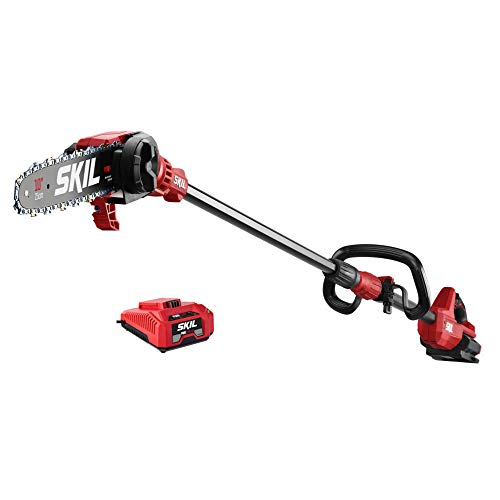
CORDLESS TOOL KIT – Includes a 10-in Pole Saw, PWR CORE 40 2.5Ah Lithium Battery and Auto PWR JUMP Charger
Cost Breakdown: Upfront, Operating, and Maintenance Costs
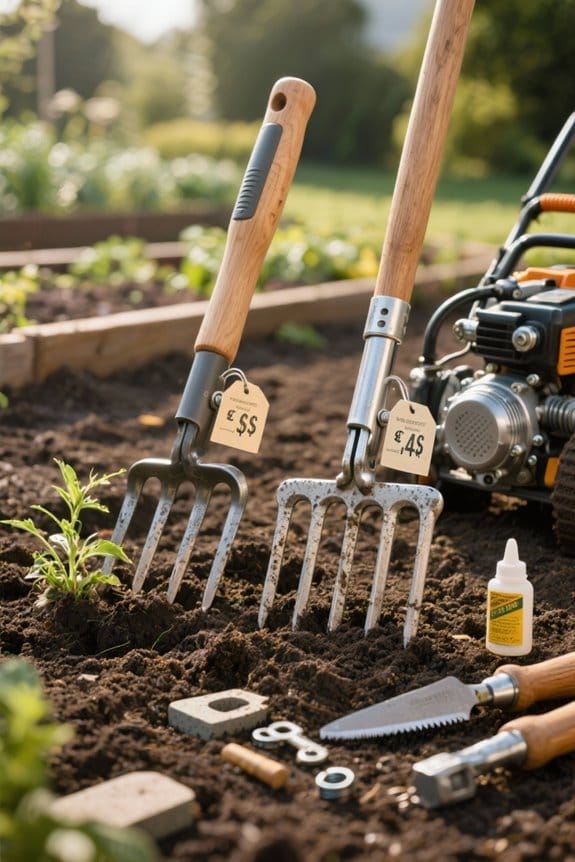
Frequently, farmers weigh upfront purchase price against ongoing expenses when choosing a weeding method. Manual tools have low upfront cost, often a few hundred to a couple thousand INR for hoes, sickles, and hand rakes. Labor costs add up; manual weeding can require ₹300–₹600 per day during peak seasons, accumulating across weeks. Power weeders demand higher upfront cost, typically ₹25,000–₹75,000 depending on engine size and attachments. Operating costs for power units focus on fuel and routine maintenance, which tend to be lower over time than repeated labor expenses. Maintenance includes oil changes, spark plug checks, blade sharpening, and belt replacement at scheduled intervals. In many cases, increased efficiency and higher yields allow machines to pay back within a few seasons. Manual tools require physical effort and may not suit large areas, which can be a limitation when comparing them to mechanical options.
Suitability by Garden and Farm Size

One clear rule is that scale drives tool choice. Manual and mechanical options each have distinct niches. Manual weeders suit small gardens under 5,000 sq ft, offering precision for irregular spacing and delicate plants. Mechanical tools save time in larger areas, handling uniform crop rows efficiently, and covering up to an acre in 2–3 hours. For properties above 3 acres, four-wheel tractors and larger implements come to the rescue, reducing labor and increasing throughput. Decision factors include budget, desired care level, and workload. A backyard gardener may prefer hand tools for targeted removal. A market grower planting straight rows typically benefits from powered cultivators or tractor-mounted units. Match tool capability to area size, crop layout, and time constraints. High-grade materials like polished stainless steel resist rust, ensuring durability and longevity for walk-behind weeders.
Precision and Crop Safety Considerations
Scale influences not only tool choice but also how precisely weeds can be removed without harming crops. Manual weeding offers high precision, defined here as removal within a 1–2 cm radius of target plants, and is ideal for seedlings and tight spacing. Mechanical tools cover larger areas, often at speeds of 1–5 km/h, but struggle to distinguish crops from weeds when spacing is less than 15 cm. Crop safety is improved by manual methods for delicate crops like lettuce and brassicas, where careful blade angle and 2–4 cm depth control prevent root damage. Mechanical tools come to the rescue for broad rows, yet require calibration, shielding, or reduced speed to protect plants and maintain acceptable crop safety. For optimal weeding, ergonomic handles on manual tools help reduce fatigue during extended use, improving user comfort and efficiency.
Ergonomics, Health, and Labor Impacts
Although ergonomics often dictate tool selection, the choice between manual and mechanical weeders hinges on user strength, field size, and crop type. Manual tools often include ergonomic designs, such as padded grips and 120–140 cm handle lengths, reducing wrist torque and localized fatigue. They require high physical demand over large areas, about 50–100 hours per hectare for hand-hoeing, which can cause exhaustion. Manual weeder tools often feature durable stainless steel construction, which ensures longevity and rust resistance, making them a reliable choice for small-scale gardening. Mechanical weeders come to the rescue for bigger plots. They lower physical demand by using 2–10 kW engines or motorized tines, covering 0.5–2 hectares per hour depending on speed and crop spacing. Reduced labor costs follow, as fewer workers are needed per hectare. Health outcomes improve, with fewer repetitive strain injuries and less long-term musculoskeletal risk.
Environmental and Sustainability Implications
When evaluating environmental impact, gardeners should weigh emissions, soil disturbance, and labor shifts. Manual tools are environmentally friendly, producing zero emissions and supporting sustainable gardening by preserving soil microfauna and reducing carbon output by about 0 g CO2 per hour. Mechanical weeders, especially gas-powered models, emit NOx and CO, roughly 1–3 kg CO2 per hour, and can leach pollutants into soil and water. Mechanical use reduces manual labor needs, which can address workforce shortages but increases soil disturbance depth by 2–10 cm depending on tine or blade type. Choose ergonomic, low-impact designs with nylon blades or electric motors under 500 W to limit harm. Prioritize manual tools for conservation plots, and use battery or low-emission mechanical weeders selectively for larger, intensive beds. Ergonomic features in weeding tools can greatly enhance comfort and reduce hand strain during use, making manual weeding more accessible for prolonged periods.
Hybrid Options: Walk-Behind Tractors and Attachments
After considering the environmental trade-offs between hand tools and full-sized machines, walk-behind tractors come to the rescue as a practical hybrid option. They combine the power of small engines with the control of handheld tools. Designed for gardens and fields up to about 5,000 sq ft, they cover more area than manual weeding while reducing physical strain. Attachments include tillers, seeders, and dethatchers, each fitting the tractor via standard couplings, and extending functionality beyond weeding. Maintenance requires fuel checks and periodic repairs, yet operation is simpler than full-sized tractors. The initial investment ranges roughly ₹50,000 to ₹1,50,000, balancing cost against efficiency gains. Select models by horsepower, attachment compatibility, and ease of service access. For those interested in indoor gardening, exploring purple grow lights that optimize photosynthesis and improve plant growth can complement outdoor efforts.
Recommended Products

Why Choose Genuine [DigSwift]? Of Course, Quality Assurance Is Prerequisite, Cost-Effective is the choice of customers. Our products are unpretentious and simple to operate, and can cope with various scenarios.If you have a demand for machines, Please contact us. we will provide professional analysis according to your usage scenarios and introduce the most suitable for you.

Remote-Controlled Operation (Up to 200m): Operate the mower from a safe distance. Start, stop, steer, and control the machine wirelessly. Perfect for ditches, steep slopes, ponds, fences, thick brush, and hard to reach areas.

US Stock and Shipping: The machine is stocked in US warehouses and shipped via LTL (Less Than Truckload) delivery. If you don't have unloading equipment, please let us know
Adoption Challenges and Training Needs
Adoption hurdles present a mix of technical, financial, and skills-related factors that influence farmer decisions. Farmers face adoption challenges when new controls and maintenance routines require time to learn, creating hesitation. Governments offer subsidies of 40%–80%, lowering upfront cost and enabling purchases of customizable models sized for 0.5–5 hectare plots. Manufacturers like Krishitek come to the rescue, supplying options and on-site support. Training programs teach start-up checks, engine maintenance, and safe handling, typically in 2–3 day workshops with hands-on drills. A 5–7 hp power weeder can cover 0.5–1.5 hectares per day, and reduce labor needs by reallocating 2–4 workers to other tasks. On-farm demonstrations and follow-up clinics improve confidence and long-term adoption. For farmers using grow lights, energy-efficient models can help minimize long-term operating costs while ensuring effective plant growth.
Return on Investment and Productivity Gains
A practical comparison of costs and outputs helps farmers judge value quickly. Power weeders can cover an acre in 2-3 hours, versus 8-10 hours for manual weeding, so they save time and reduce labor days. Initial cost ranges from ₹25,000 to ₹75,000, with fuel and maintenance as minimal ongoing costs, making payback possible within a few seasons. This yields a clear return on investment when labor rates are ₹300-₹600 per day. Timely weed control increases yields and profits, so productivity gains are both faster work and higher crop output. Machines are highly efficient at addressing labor shortages, reducing crew size, and ensuring consistent weeding frequency, which supports long-term farm planning.
Choosing the Right Weeder for Your Needs
How should a farmer match weeder type to plot size and physical ability? Manual options suit small gardens under 5,000 sq ft. They include hoes and sickles, using hand tools for precise weed removal. Manual tools cost under ₹5,000 and produce no emissions. Mechanical weeders come to the rescue for larger plots. They cover an acre (≈43,560 sq ft) in 2–3 hours, ideal for large-scale farms. Power units cost ₹25,000–₹75,000, but reduce labor hours and long-term expense. Consider physical strength; younger or fit workers may prefer the exercise of manual methods, while those with limited strength benefit from mechanized ease. Choose by comparing plot size, budget, emissions concern, and desired labor time, then match the weeding method accordingly.
Frequently Asked Questions
What Are the Disadvantages of Manual Weeding?
Manual weeding is a time consuming process causing physical strain, limited control over large areas, seasonal limitations due to workforce availability, repeated labor and costs, plus inconsistency and human error reducing overall weed management effectiveness.
What Is the Difference Between Manual and Mechanical Weeding?
Manual and mechanical weeding differ by scale and method: hand weeding effectiveness is higher for delicate crops; weeding tools comparison highlights precision versus speed; labor costs analysis favors machines; soil health impact varies with technique and operation.
What Are the Benefits of Mechanical Weeding?
Faster, cleaner, smarter: mechanical weeding leverages advanced technology, improves time efficiency, reduces environmental impact, enhances user experience, lowers labor costs, boosts uniformity and soil aeration, and increases productivity for medium to large-scale farms.
What Is the Use of Weeders Manual and Powered?
They remove unwanted plants: manual weeders enable precise weed control methods for small plots and delicate crops, while powered weeders speed large-area weed management strategies. Both are gardening tools that support soil health improvements and crop care.


