As an Amazon Associate, we earn from qualifying purchases. Some links on this site are affiliate links at no extra cost to you. Our recommendations are based on thorough research and editorial judgment.


Solar-Powered Vs Electric Fairy Lights: Pros and Cons

Solar fairy lights use a small 1–5 W panel and a rechargeable battery, charging 4–6 hours for 6–8 hours of LED light. Electric fairy lights plug into 110–240 V mains with a transformer, giving steadier, higher-lumen output (300–1,200 lm) and longer run times. Solar saves electricity and is easy to place, but dims in cloudy weather and needs battery swaps every 2–4 years. Electric is reliable but adds ongoing energy cost; more details follow.
Key Takeaways
- Solar fairy lights save electricity and are easy to install but depend on sunlight and may dim on cloudy days.
- Electric fairy lights deliver consistent, brighter illumination and advanced controls but increase ongoing energy costs.
- Solar units typically run 6–8 hours per charge and need battery replacement every 2–4 years.
- Electric lights work reliably regardless of weather and can cover larger areas with higher lumens.
- Choose solar for portability and eco-friendliness; choose electric for steady performance and feature-rich control.
How Solar-Powered Fairy Lights Work
You may be interested


Because they harvest sunlight and store it for later use, solar-powered fairy lights make outdoor illumination largely self-contained. A small solar panel collects sunlight and converts it into electrical energy during daylight hours. That energy charges a rechargeable battery, and the unit typically yields six to eight hours of light on a full daytime charge. Solar lights often include a light sensor that turns the string on at dusk and off at dawn automatically. LED lights are standard, offering high lumen-per-watt efficiency; for example, a 5V string with 20 LEDs may draw 0.5–1.0 watts. To maintain performance, keep the panel clean and unobstructed, positioned for at least four to six hours of direct sun. Routine checks prevent dimming and extend battery life. Most solar fairy lights are constructed with durable materials such as waterproof copper wire, ensuring reliability in various weather conditions.
How Electric Fairy Lights Work

While solar strings store daytime energy for night use, electric fairy lights run continuously from household power. They connect to a standard outlet, supplying a steady 110–240 V alternating current depending on the country, then often use a transformer or adapter to reduce voltage for safety. A string contains many small bulbs spaced commonly 5–15 cm apart on copper or plastic wire. LEDs come to the rescue for low energy draw, typically 0.06–0.2 W per diode, offering superior energy efficiency and longer life than incandescent types. Installation is plug-and-play: hang, drape, and secure. Advanced sets include timers, dimmers, and modes, controlled onboard or via remote, enabling precise light levels and runtime management. Many LED fairy lights feature built-in timers that allow for convenient automation, with options like 6-hour on and 18-hour off settings to optimize battery usage and create a cozy ambiance.
Advantages of Choosing Solar Fairy Lights

When a homeowner wants low-cost, low-effort outdoor lighting, solar fairy lights are a practical option. They run without electricity costs, using energy from the sun stored in a built-in 1.2–3.2V NiMH or Li-ion battery, which cuts utility bills. Installation is simple. No wiring or outlet is required, so placement in remote yards or trees is straightforward. Typical runtimes are six to eight hours when fully charged, adequate for evening gatherings. Panels rated 0.5–2W charge in 6–10 hours of direct sunlight, depending on weather. These lights are environmentally friendly, reducing carbon emissions through renewable charging. For practical use, position panels facing south at a 30–45° tilt, avoid shade, and check batteries yearly for ideal performance. Additionally, solar-powered Minetom lights are noted for their high-quality solar panel with 20% conversion efficiency, providing reliable illumination even in varied weather conditions.
Recommended Products
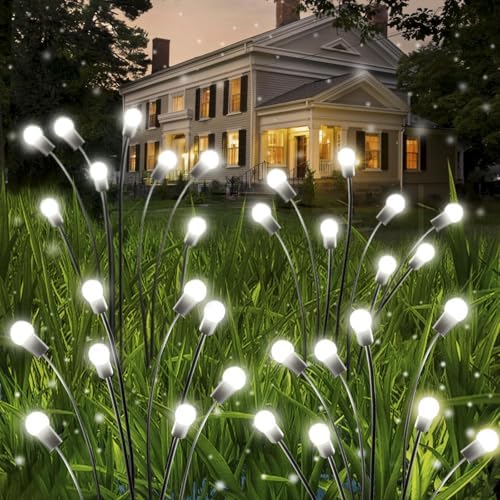
SWAYING BY WIND :Solar lights outdoor bright lights beads dance like fireflies in the garden, outdoor lights supported by soft and waterproof wires in the middle, allowing them to sway with the wind. Make your garden look more lively.

【Enchanting Storybook Cottage Design】Turn your garden into a whimsical retreat. This solar stake light is masterfully crafted to look like a tiny, magical mushroom home straight from a fairy tale. It adds immediate personality to your yard during the day and transforms into a glowing focal point after sunset—perfect for flower beds, pathways, and patios.

[Independent Solar Panel & Fast Charging]One firefly solar lights set includes 1 solar panel + 4 lights. A single high-efficiency standalone solar panel powers four swaying firefly lights. The four lights are spaced 6ft apart along a 26ft total cable, allowing wide outdoor areas to be covered perfectly. With only 3–5 hours needed for a full charge, 10–12 hours of overnight illumination is provided — ideal solar garden lights for any yard layout
Advantages of Choosing Electric Fairy Lights

Electric fairy lights deliver steady, predictable illumination suitable for areas that need constant light. They provide consistent brightness, often rated at 300–1,200 lumens for strings between 5–30 meters, making them fit for patios, event halls, or storefronts. Electric fairy lights cover large spaces, with plug-and-play options and hardwired installations for permanence. Many models include advanced features, such as Wi-Fi or Bluetooth control, timers, dimming to 10–100% output, and app-based scheduling for automation. Weather has less effect on performance, so illumination continues through overcast days. Installation may require an outlet within 10–15 meters or professional wiring for 240 V circuits, but the payoff is reliable, long-duration lighting. These characteristics make electric options a practical choice for steady decorative lighting. A notable feature of many electric fairy lights is their remote control functionality, allowing users to easily adjust settings from a distance, enhancing convenience and user experience.
Recommended Products

16 Million Colors & Multiple Modes: Compare with other smart lights, Brizled smart lights provide a broader spectrum of colors inlcudes mormal single color, special bi-color, and classic tri-color and multi-color for Year-round lighting decor. Multicolor, white, red & white, red & green, red white & green, green & white, blue & white for Xmas; red white blue for July 4th; orange, purple, orange & purple for Halloween/ Thanksgiving; green for St Patrick's Day; red/pink/purple for Valentine's Day.

MILLIONS OF COLORS: Fully customize the hue and brightness of your fairy lights to transform your space with the perfect mood lighting for any occasion
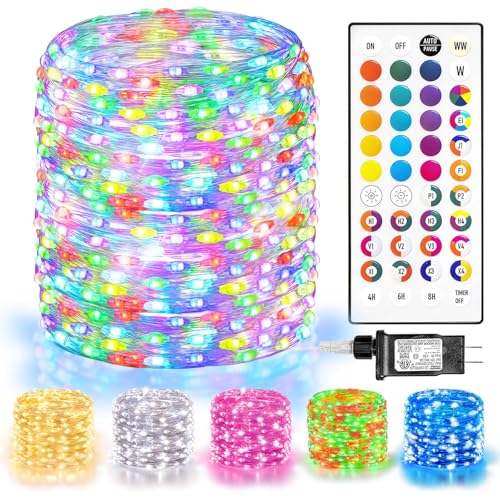
Enchanting 400LED/130FT Fairy Lights with Upgraded Remote Control : Elevate your space with 17 solid colors ( “W” button for white color/”WW” button for warm white color ) and 18 festive color combinations. Celebrate year-round with Halloween's purple-orange, Christmas' red-green, Easter's pastel hues and more. Unlike traditional yellow-toned warm white color, our innovative 2600K soft warm white offers 3 lighting modes for perfect ambiance creation. Choose from steady on & 8 dynamic lighting effects for all colors except warm white.
Key Drawbacks of Solar and Electric Options

Trade-offs matter when choosing between solar and electric fairy lights. Solar lights can underperform in cloudy winters, producing less than 100 lumens per string, which limits coverage for larger yards. Electric fairy lights deliver 300–1000 lumens, but they add ongoing electricity costs, increasing bills by several dollars monthly. Installation differs: solar units are plug-and-play with integrated panels, while electric lights often need wiring, conduit, or GFCI outlets, raising installation time and cost. Both options face performance issues; solar batteries typically need replacement every 2–4 years, and electric systems can be affected by outages or wiring faults. Consider brightness requirements, access to sunlight, and maintenance schedules when weighing these practical drawbacks. Selecting the right Velcro tape roll is crucial for securing fairy lights, especially in outdoor settings with varying weather conditions.
Choosing the Right Fairy Lights for Your Space
Having weighed brightness, installation, and maintenance concerns, the next step is selecting lights that suit the specific space. Measure the area in linear feet; use 10–20 ft strings for small patios and 50–100 ft for large yards, matching spacing to desired light density. Consider pros and cons of solar powered versus electric, noting solar needs 4–6 hours direct sun and panels rated IP65 for outdoor use. Electric lights provide consistent lumens, typically 200–800 lm per string, and require waterproof connectors. Factor environmental impact: solar reduces operational emissions, electric increases electricity use depending on local grid mix. Check maintenance: replace AA/18650 batteries or clean panels seasonally, inspect bulbs and wiring monthly. Many waterproof shade sails offer both UV protection and light rain resistance, enhancing outdoor spaces similarly to well-chosen lighting solutions. Balance upfront cost with lifecycle costs.
Recommended Products

Can it be used in rainy weather? - Yes, VGUXG solar outdoor lighting is specifically designed for rainy weather with waterproof construction and weather-resistant features. The lights are built to handle various outdoor conditions including rain, snow, fog, and temperature swings. They work reliably through wet weather, with the solar panel and LED bulbs maintaining performance even during storms

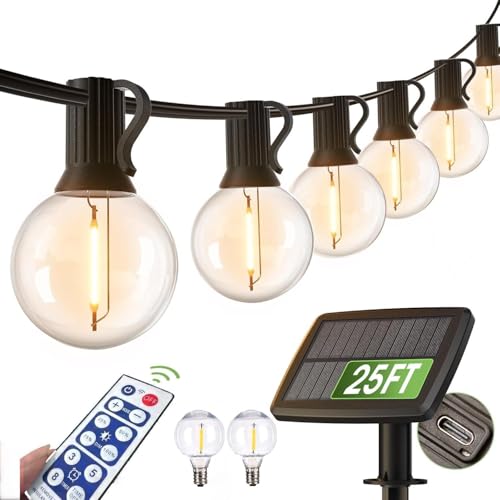
Energy-Saving Solar & USB Charging: Powered by solar energy with a USB backup for cloudy days; eco-friendly 25FT string lights with 25 G40 LED bulbs (plus 2 spares) save on electricity bills and ensure uninterrupted ambiance.
Frequently Asked Questions
Are Solar or Electric String Lights Better?
Solar string lights suit energy efficiency and easy, wireless installation but lose on durability comparison; electric lights offer consistent brightness and longer lifespan though require wired installation and steady power, so choice depends on priorities.
What Are the Disadvantages of Solar Powered Lights?
They suffer solar charging challenges, weather dependency, limited brightness, shorter lifespan, frequent maintenance to keep panels clean, individual-panel clutter, and inconsistent illumination in cloudy or winter conditions, making them less reliable than mains LED alternatives.
Do Solar-Powered Fairy Lights Work in Winter?
Yes. They can work in winter, but solar efficiency often drops; winter performance depends on daylight, panel clearance, and panel angle. Consequently lighting duration may shorten, requiring maintenance or supplemental power for consistent overnight illumination.
Why Do Solar Fairy Lights Stop Working?
“Don’t count your chickens before they hatch.” Solar fairy lights stop working due to battery issues, charging problems from insufficient sunlight or dirty panels, and faulty light sensor malfunctions; wear, age, and extreme weather also degrade performance.


