As an Amazon Associate, we earn from qualifying purchases. Some links on this site are affiliate links at no extra cost to you. Our recommendations are based on thorough research and editorial judgment.


The Science of Adhesive: How Different Tapes Stick and Release

Adhesion is the attraction between tape and surface, driven by van der Waals forces and wetting. Pressure‑sensitive tapes stick by spreading to increase contact, typically 1–7 N/cm peel strength; rubber‑resin tapes give high initial tack, acrylics resist UV, silicones work to 150–200°C. Surface energy and cleaning matter, low‑energy plastics may need primers, apply 5–50 kPa pressure for best wetting. Temperature and humidity change performance, and standard peel/shear tests quantify results—keep going to learn specifics and examples.
Key Takeaways
- Adhesives stick by wetting the surface and forming van der Waals and vacuum forces at the interface.
- Pressure-sensitive tapes rely on tack and cohesion to adhere instantly without heat or solvent activation.
- Peel strength and release depend on adhesive type, peel angle, and contact time.
- Surface energy, cleanliness, and pressure application control wetting and overall bond strength.
- Temperature, humidity, and aging alter adhesive viscoelasticity, changing stickiness and ease of release.
The Physics of Adhesion and Cohesion
You may be interested


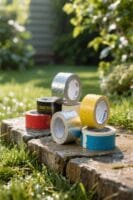
Although adhesion and cohesion are related, they describe different forces at work in adhesive tape. Adhesion is the attraction between adhesive and the surface, caused by van der Waals forces and, in some cases, vacuum forces when air is excluded. Cohesion is the internal strength of the adhesive material, holding the tape together under stress. Wetting determines contact area; good wetting increases adhesion, measured in degrees of contact angle, typically below 30° for strong wetting. High surface energy substrates like glass or aluminum bond readily, while low surface energy plastics resist and may need primers. Temperature affects bond formation; many pressure-sensitive adhesives perform best between 5°C and 40°C. Time also enhances van der Waals interactions, increasing peel strength over hours to days. Efficient heat management in grow lights ensures safety and efficiency, which parallels the importance of temperature control in adhesive performance.
Recommended Products

Extremely low volume resistivity of 7. 6X10⁻⁵ Ω·cm
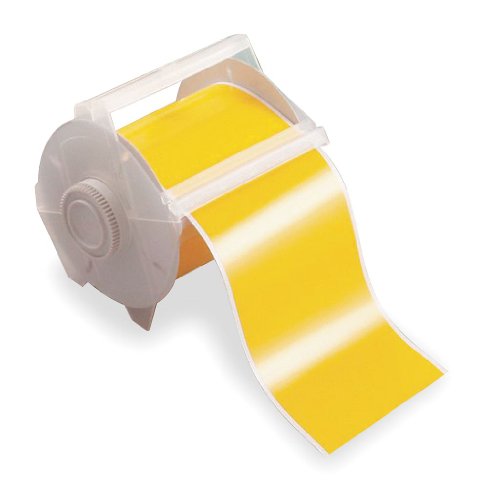
Made from Brady's B-595 vinyl material with permanent acrylic adhesive that keeps labeling tape adhered in harsh climates including in autoclave, freezer, and liquid nitrogen environments
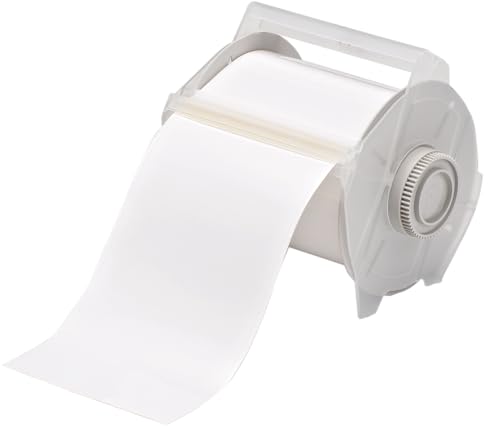
Made from Brady's B-595 vinyl material with permanent acrylic adhesive that keeps labeling tape adhered in harsh climates including in autoclave, freezer, and liquid nitrogen environments
Types of Adhesives Used in Tape

When choosing tape, understanding adhesive types helps select the right product for the job. Pressure-sensitive adhesives are common; they bond by wetting surfaces and van der Waals forces, no heat required. Rubber/resin adhesives give high initial tack, measured as 1–5 N/cm peel strength, and feel very sticky. Synthetic rubber variants improve shear resistance, holding static loads for hours at 20–40°C. Acrylic adhesives resist UV and age, maintaining 3–7 N/cm peel over years, though cost is higher. Silicone-based adhesives come to the rescue for high-temperature use, tolerating 150–200°C briefly while remaining flexible. Adhesive formulation controls tackiness, curing time, and adhesion performance on various substrates. Environmental conditions like temperature and humidity greatly alter bond strength, so test before final application. Consider using waterproof outdoor tapes for projects that require resistance to weather and moisture, as they provide strong adhesion and durability in adverse conditions.
Recommended Products

Flexible silicone cased tape light for enhanced Damp location listing. Peel and stick3 construction adhesive on back. Indicator marks every 6 inch for field cutting at the end of a run

Invisiled Pro 1Ft indicator marks every 2 inch for field cutting at the end of a run

Flexible silicone cased tape light for enhanced Damp location listing. Peel and stick3 construction adhesive on back. Indicator marks every 2 inch for field cutting
How Surface Energy and Wetting Affect Bonding

Adhesion depends heavily on surface energy and how well an adhesive wets a material. Surface energy is the measure of a substrate’s tendency to attract liquids; metals and glass have high surface energy, so adhesives spread and create strong bonds. Low surface energy plastics, like polyethylene, resist wetting and often need special adhesive formulations or primers to come to the rescue. Wetting increases contact area, typically improving bond strength by promoting van der Waals forces at the interface. Surface preparation matters; cleaning with isopropyl alcohol or light abrasion (120–220 grit) raises effective bonding. Use pressure (5–50 kPa) to enhance wetting during application. Proper matching of adhesive type and substrate yields predictable, durable bonding without overcomplicated steps.
Recommended Products

Delivers exceptional peel and shear strength for metals and HSE plastics

50 mils (127 mm) thick tape provides high bond to low surface energy substrates and powder coated paints
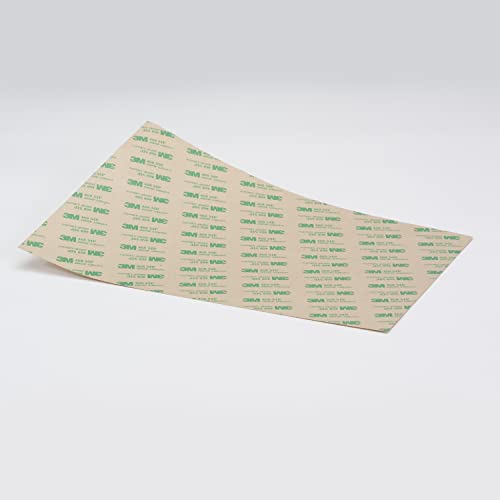
Ideal for graphic and nameplate attachment. Easy to die-cut and process. Smooth appearance on graphic overlays. For selective die-cutting.
Performance Factors: Temperature, Humidity and Time

Environmental conditions strongly influence tape performance. Temperature affects adhesive performance; peak effectiveness often occurs at or above 18ºC (65ºF). Low temperatures can weaken adhesion, while high temperatures may soften the adhesive and reduce long-term reliability. Humidity also matters; excessive moisture can lower adhesion strength by disrupting contact at the interface and promoting failure. Surface preparation is essential, clean and dry surfaces improve bonding, contamination prevents full wetting and contact. Over time many adhesives gain strength as molecular attractions increase, Van der Waals forces continue to develop between surfaces. Manufacturers test formulations to improve product resilience against extremes. Practically, store tapes around 20ºC and 40–60% relative humidity, clean surfaces with isopropyl alcohol to maximize consistent adhesive performance. A high-quality electrical tape, like the Avery Dennison Commercial Grade, resists weathering, water, and heat, making it suitable for various environmental conditions.
Recommended Products

Translucent, abrasion resistant backing helps protect surfaces from wear


The electric underfloor heated TapeMat rolls out easily to be installed beneath tile, stone, wood, or laminate flooring in homes and commercial buildings, mesh can be cut with scissors and flipped, and the blue wire can be pulled out and run around obstructions and awkward spaces
Testing Methods and Measurement of Tape Strength

Tape testing uses a few standard methods to quantify bond strength in practical units such as newtons (N) or pounds-force (lbf). Peel testing measures the force to remove tape from a surface, usually at 90° or 180° peel angles, reported in N/25 mm or oz/in. Shear testing evaluates resistance to sliding under a constant load, often expressed as hours to failure at specified grams or kilograms. Tack tests assess immediate bonding after brief contact, such as rolling a 2 kg wheel for 1 second, then measuring peak pull-off force. ASTM standards come to the rescue, specifying fixtures, rates, and conditioning. Temperature and humidity control is required, for example 23°C ±2°C and 50% ±5% RH, to guarantee repeatable tape strength results. High-density fiberglass mesh tape, particularly the 13-mesh variety, is recommended for high-traffic areas due to its strong tensile strength and ability to prevent cracking.
Recommended Products

COLD WEATHER CAMPING TARP. Enjoy camping in the winter with Onewind Penumbra Hot Tent. This 4 season tarp is made with high strength polyester ripstop fabric with heat retention functionality to keep you warm in cold weather. It also has a double door design for ventilation making this a perfect choice for both summer and winter camping.
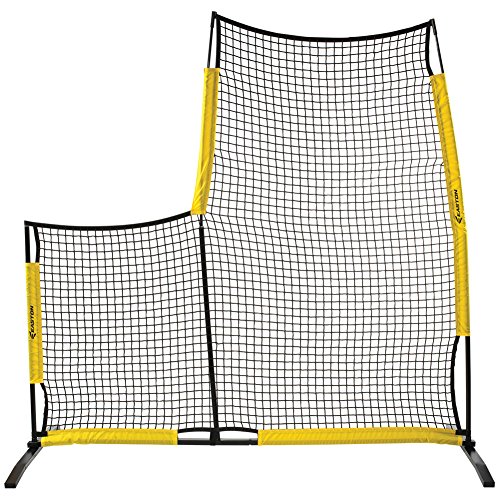
DESIGNED FOR BASEBALL / SOFTBALL TRAINING
![Custom Cut to Size,[ Blue,Folding, W 39 xH 83 (inch)], Aluminum Retractable Front Screen Door net,Fiberglass mesh with alumium, Mosquito Screens I Bug Net for Doors](https://m.media-amazon.com/images/I/51Jsc2IHb6L._SL500_.jpg)
Frequently Asked Questions
Can Adhesive Tapes Cause Allergic Skin Reactions?
Yes, adhesive tapes can cause allergic skin reactions. He notes adhesive sensitivity, skin irritation and allergic dermatitis from tape ingredients; medical tapes, hypoallergenic options, patch testing, prevention strategies and varied user experiences guide management and avoidance.
How Do Tapes Behave on Curved or Stretchy Fabrics?
Obviously, tape expects curved surfaces to conform like a gymnastic cat; it struggles with stretchy materials. Fabric adhesion depends on tape flexibility, bonding strength and fabric compatibility; edge sealing, application techniques, stretch recovery and removal challenges determine performance.
Can Tape Adhesives Degrade Electronics or Sensitive Materials?
Yes. It notes tape adhesion can cause electronic degradation and harm sensitive materials through residual effects, chemical reactions, heat sensitivity, and surface compatibility issues; performance testing, monitoring voltage interference, and evaluating long term stability are recommended.
Are There Environmental-Friendly or Biodegradable Tape Options?
Yes — they exist. The response highlights biodegradable materials, plant based tapes and natural adhesives as eco friendly options; compostable films, non toxic formulations and renewable resources reduce environmental impact, supporting sustainable packaging and improved recycling methods.
How Should Leftover Adhesive Residue Be Safely Removed?
Use gentle adhesive solvents safety measures: test solvent, ventilate, wear gloves. For adhesive residue removal employ surface preparation techniques, noting adhesive chemistry explanation and residue impact duration. Recommend cleaning material recommendations, adhesive free techniques, tape residue prevention and adhesive comparison methods.


