As an Amazon Associate, we earn from qualifying purchases. Some links on this site are affiliate links at no extra cost to you. Our recommendations are based on thorough research and editorial judgment.


Understanding Different Types of Pruning Shears: Bypass, Anvil, and Ratchet

Choosing the right pruning shears improves plant health and reduces effort. Bypass pruners cut like scissors, ideal for live stems up to 6 mm, with a 20–25° bevel for sharpness. Anvil pruners press a blade onto a flat surface, good for dead wood to about 12 mm but can bruise living tissue. Ratchet pruners use a stepped mechanism, aiding weak hands and handling up to 38 mm branches. Continue for maintenance, sharpening, and selection guidance.
Key Takeaways
- Bypass pruners use two curved blades like scissors, giving clean cuts ideal for live stems and promoting faster healing.
- Anvil pruners have one blade that closes onto a flat anvil, best for dead wood and thicker, woody branches.
- Ratchet pruners use a stepped mechanism to multiply force, making them ideal for users with limited hand strength.
- Blade material matters: carbon steel holds an edge longer, stainless steel resists rust in damp conditions.
- Maintain pruners by cleaning sap, drying, oiling the pivot, and sharpening blades at a 20–30° angle for consistent performance.
Why Choosing the Right Pruning Shears Matters
You may be interested


Choosing the right pruning shears matters for plant health and user comfort. A proper tool gives clean cuts, typically within 1–2 mm of the branch cambium, reducing jagged wounds that invite disease. Pruning choice depends on material and thickness; bypass shears suit live tissue, anvil types cleanly sever dead wood, and ratchet models help with stems over 25 mm. Shear ergonomics matter too, with handle span around 45–55 mm and cushioned grips reducing hand strain for users with limited strength. Match cutting capacity to branch diameter for efficiency, and inspect blade sharpness—0.1–0.2 mm edge tolerance guarantees ideal performance. Pruning shears with stainless SK5 or titanium-coated blades offer superior rust resistance and durability, enhancing their longevity and cutting performance. Treat shears as core gardening tools, select by plant type and task, and maintain them regularly for consistent results.
Bypass Pruners: How They Work

Often overlooked, bypass pruners work much like heavy-duty scissors, with two curved blades that pass each other to slice live tissue cleanly. They cut by shearing, producing clean cuts that aid healing, reducing torn edges on live plant tissue. Typical cutting capacity is about 1/4 inch (6 mm) diameter, suitable for pruning stems on roses and small shrubs. The curved blades minimize crushing, protecting healthy plant material, and encouraging faster callus formation. Blades must stay sharp; regular cleaning prevents sap buildup and corrosion, preserving precision. Avoid using these shears on thick, dead wood, which dulls blades and risks damage. Proper maintenance and correct selection guarantee bypass pruners come to the rescue for precise, routine pruning tasks. For optimal performance, it’s essential to sterilize shears after each use on unknown or infected plants to prevent the spread of disease.
Recommended Products
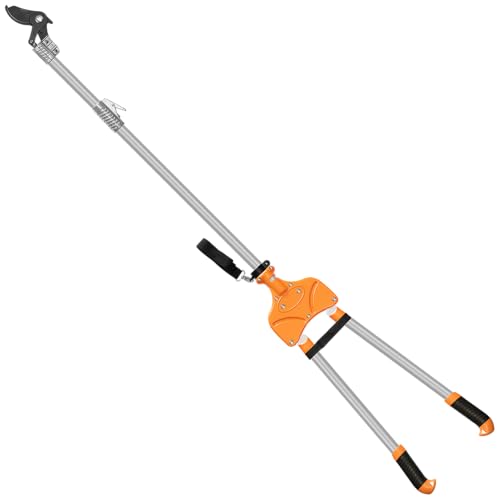
96-INCH TELESCOPIC REACH: Trim branches, suckers, and new growth on tall trees, hedges, and overgrown shrubs, all without a ladder.

Brand name: Zenport

Great garden shears for serious gardeners. This is a heavy, high quality pruning shear you’ll be proud to own or gift. These garden pruners are a classic design and feel expensive. Every gardener needs this pruner, but most gardeners don’t have one.
Best Uses for Bypass Pruners
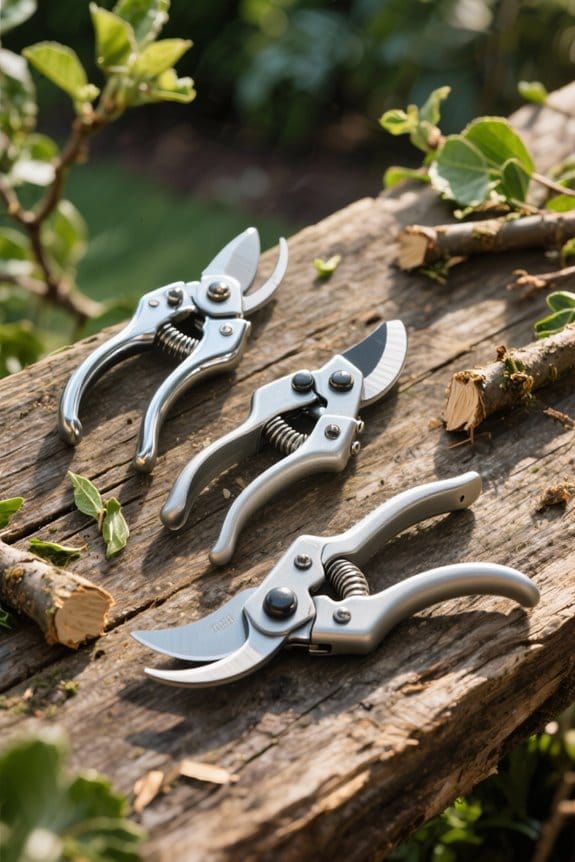
A few well-chosen bypass pruners come to the rescue for routine trimming tasks around the garden. They make clean cuts on live stems, promoting faster healing and reducing disease risk. Use them for pruning flowers and young shrubs, cutting branches under about 1 inch (2.5 cm) diameter for best results. Their scissor-like action slices smoothly, preserving cambium tissue that aids regrowth. Bypass pruners excel at delicate tasks like deadheading roses, shaping herbaceous perennials, and harvesting soft-stemmed vegetables. Maintain blades by cleaning sap and sharpening to a 20–25° bevel for consistent performance. Inspect pivot tension regularly; adjust so blades close with firm, even pressure. Selecting ergonomic handle designs can enhance comfort and reduce fatigue during prolonged use. Suitable for novice and experienced gardeners seeking precise, low-damage cuts.
Straight Blade Pruners and Their Strengths

Several small tools come to the rescue when precision is required in the cutting of flowers and fine growth. Straight blade pruners feature a sharpened single cutting edge, 5–7 cm blades work well for tight buds and stems. They bridge floral shears and bypass pruners, offering precise cuts without crushing tissue. Ideal for cutting flowers, deadheading, and minor pruning tasks, they handle stems up to about 10 mm diameter cleanly. Components vary; metal handles add weight and durability, plastic lowers fatigue for extended use. Maintenance is simple: clean sap, dry, oil pivot, and sharpen to preserve edge geometry. Gardeners focused on arranging blooms will value the control and reach these tools provide for fresh growth and delicate trimming. Anvil pruning shears are known for better cutting force due to their unique blade design, making them suitable for tougher garden tasks.
Anvil Pruners: Design and Applications

Anvil pruners present a single sharp blade that cuts down onto a flat anvil surface, making them effective for slicing dry or dead wood without the scissor-like shearing of bypass tools. They are built to handle tougher, woody branches up to about 12 mm (1/2 inch) diameter, with the anvil supporting the cut to prevent binding. These tools make straightforward pruning cuts suitable for dead stems, coarse twigs, and garden cleanup tasks. They may bruise living tissue, so avoid using them on healthy green shoots where clean wounds aid healing. Examples include trimming lavender and removing winter-damaged growth. Regular maintenance—cleaning, oiling, and sharpening the sharp blade—ensures consistent performance and extends tool life. High-carbon steel blades are recommended for their superior edge retention and longevity, especially when dealing with dry or dead wood.
When to Use Anvil Versus Bypass
When deciding which tool to use, consider whether the wood is live or dead and how thick the stem is. Bypass pruners are for cutting live stems and green wood, producing clean cuts that heal faster, ideal for flowers, young shrubs, and fruit tree branches. Anvil pruners are for dead or dry branches, using a blade that closes onto a flat surface, effective when pruning tougher, fibrous plant material. For stems under about 1 inch (25 mm), prefer bypass pruners for precision and reduced crushing. For branches around or above 1 inch, anvil pruners come to the rescue, delivering more crushing force but risking damage on live tissue. Match tool to material, thickness, and desired healing outcome. For precision work in gardening, microtip shear functionality offers the accuracy needed for intricate tasks such as bonsai shaping.
Recommended Products

1.9 cm cutting diameter

Swiss Precision Engineering – Crafted in Switzerland for exceptional cutting performance trusted by professionals and home gardeners alike.

The gardening tools with Bypass Geometry are cutting hard branches and wood like yew, cherry, or walnut up to 0.98" in diameter
Ratchet Pruners: Mechanism and Benefits
A ratchet pruner uses a stepped locking mechanism to make cutting easier in stages. Ratchet pruners employ a multi-step mechanism that advances the blade incrementally, reducing the force needed per stroke and allowing safer cutting of tough branches. This helps users with limited hand strength, like those with arthritis, by lowering fatigue during repeated cuts. Many models cut branches up to about 1.5 inches (3.8 cm) in diameter, suitable for woody pruning tasks in gardens. Regular maintenance is required, including cleaning pivot areas and lubricating the ratchet parts, to keep operation smooth. Ergonomic features such as cushioned grips and rotating handles make long sessions more comfortable and reduce wrist strain. Use these pruners when steady, controlled cutting is needed. Tools like the Stirrup Hoe function as both weeder and cultivator, enhancing their versatility in garden tasks.
Matching Pruners to Plant Types and Tasks
Because different plants and jobs demand different cutting actions, matching the right pruner to the task prevents plant damage and tool wear. Bypass pruners are recommended for live tissue and flexible stems, ideal for roses and flowers, cutting stems up to 1/2 inch without crushing the plant. Anvil pruners suit dry, dead wood and are best for woody debris, their single blade compresses and severs tougher material. Ratchet pruners come to the rescue when more leverage is needed, handling stems up to 1.5 inches and helping users with limited hand strength. To match pruners effectively, assess stem diameter and wood condition, then select the appropriate shear type and never exceed the recommended cutting size for each tool to maintain performance. When choosing shears, consider the quality of blade material as it influences durability and cutting precision.
Recommended Products

Precision Plant Care for Professionals and Enthusiasts: These gardening shears are perfect for trimming herbs & flowers; Their compact, fine-tipped, rust-resistant high-carbon steel blades offer precise cutting in tight spaces, making them ideal for daily use in gardens, pots, and on delicate stems; Available in a convenient 12-pack - ideal for florists, landscapers, and nurseries who require multiple shears for continuous, high-volume trimming

CUTCO Forever Guarantee provides for free sharpening and replacement forever.

8-inch (203mm) cut-n-hold crew landscape and horticulture pruner
Materials, Durability, and Replaceable Parts
Choosing the right blade material affects both longevity and performance. Hard-tempered carbon steel pruners hold an edge longer, retaining sharpness for months under regular use and resisting deformation up to Rockwell C 55–60. Stainless steel blades resist rust, come to the rescue in damp climates, and often specify 420 or 440 grades for balance of corrosion resistance and hardness. Pruners with replaceable parts extend tool life, allowing blade swaps or spring replacements without buying new shears, saving 30–70% over full replacement costs. Maintenance is simple: clean, dry, and oil pivot points with 10–15 drops of light machine oil after use, and sharpen blades to a 20–25° bevel when needed. Regular care maximizes durability and performance. Ratchet pruning shears often incorporate non-slip grips to enhance user control and safety, especially for those with limited hand strength or arthritis.
Ergonomics: Fit, Handle Design, and Comfort
Comfort is important when pruning for long periods. Ergonomics should guide selection, with handle design tailored to hand size, typically 100–130 mm from base to tip for adults. Rotating handles can come to the rescue, reducing wrist torque by about 15–25%, and lowering strain during repetitive cuts. Contoured grips improve grip stability, fitting palms and fingers to reduce slippage. Padded grips cushion pressure points, measured at 3–5 mm thickness for comfort without bulk. Lightweight materials, such as aluminum alloys or reinforced polymers, cut tool weight to 200–350 g, allowing longer work sessions. Users should test pruners for fit and tension, noting if the grip feels tight or loose. This systematic check prevents fatigue and minimizes injury risk. Ergonomic designs in gardening tools, like those with T-grip handles or wide footplates, enhance comfort by reducing the need for bending or kneeling.
Care, Cleaning, and Sharpening Tips
When pruning shears are maintained regularly, they cut cleaner and last longer. Clean the blades after use with alcohol wipes or soapy water to remove sap and prevent cross-contamination between plants. Dry thoroughly, then apply 2–3 drops of light machine oil along the pivot and blade edge to prevent rust and maintain smooth action. Sharpen bypass and anvil blades at a 20–30° angle using a whetstone or diamond file, one to three passes per side until the bevel is even, come to the rescue when cuts become jagged. Store pruners in a protective sheath to avoid nicks. Replace worn or bent blades with manufacturer parts to restore performance. Inspect pivot tension; adjust so blades close cleanly without binding.
How to Choose the Right Pruners for Your Garden
Properly maintained blades and a smooth pivot make choosing pruners more effective, so consider maintenance needs alongside features. Select bypass pruners for live stems and precise cuts, they shear cleanly and limit plant injury. Choose anvil pruners for dead wood, harder stems, or sap-heavy branches where crushing is acceptable. Check cutting capacity carefully; many bypass models handle up to 0.5 inches, while ratchet types can reach 1.5 inches with staged leverage. Prefer high-carbon steel blades for edge retention and corrosion resistance, they stay sharp longer with less frequent sharpening. Test ergonomic designs for hand size and grip comfort, rotating handles reduce wrist strain during long jobs. Fit, material, and capacity together determine efficiency, match tools to task for best results.
Frequently Asked Questions
What Is the Difference Between a Bypass Pruner and a Ratchet Pruner?
A bypass pruner slices like a surgeon; a ratchet pruner chews stubborn wood with staged leverage. He contrasts pruning techniques, cutting methods, garden maintenance, tool selection, and pruning applications for precision versus power.
What Are the Different Classification of Pruning Shears?
Types Categorization lists bypass, anvil, ratchet, and pruning snips. Pruning Techniques, Tool Maintenance, Usage Benefits, and Cutting Performance differ per type; each suits specific tasks, requires distinct care, and delivers varied cutting efficiency and ergonomics.
Are Bypass or Anvil Pruning Shears Better?
Clearly, neither wins universally; preference depends on task. He weighs Pruning tools comparison, Pruning shear maintenance, Best pruning techniques, User preferences and Pruning safety tips, ironically noting equipment fidelity often trumps botanical logic.
What Does Bypass Mean in Pruning Shears?
“Bypass” in pruning shears means blades pass each other for clean cuts; the response notes bypass pruner benefits, bypass shears maintenance, choosing bypass tools, bypass vs other, and the history of bypass influences modern gardening choices.


