As an Amazon Associate, we earn from qualifying purchases. Some links on this site are affiliate links at no extra cost to you. Our recommendations are based on thorough research and editorial judgment.


When to Prune Different Types of Plants Throughout the Year

Pruning schedules depend on plant type and bloom timing. Prune deciduous trees and cane shrubs in late winter to early spring, removing dead wood and shaping structure with cuts to healthy tissue. Lightly thin perennials and vigorous shrubs in spring, cutting crowded stems back 6–12 inches or up to 25 percent. Deadhead and trim annually in summer, cutting just above healthy leaves. Avoid heavy fall cuts that stimulate new growth, and follow species-specific rules below to learn more.
Key Takeaways
- Prune deciduous trees in late winter (mid-February to March) while fully dormant to remove dead wood and shape structure.
- Cut cane-type shrubs and wisteria in late winter to encourage vigorous new spring growth and simplify structure.
- Prune spring-flowering (old‑wood) shrubs right after they finish blooming to avoid removing next season’s flower buds.
- Perform light summer pruning and deadheading during active growth; remove water sprouts and thin crowded stems.
- Do minimal fall pruning after first frost—remove dead or diseased branches, but avoid stimulating new growth.
Spring Pruning: What to Tackle as Growth Begins
You may be interested


Although timing varies by species, spring pruning commonly begins in late February to early April for many garden plants. Spring pruning targets perennials, hybrid roses, and vigorous shrubs before active sap flow starts. Pruning in early spring can include aggressive pruning for struggling plants, cutting back to 6–12 inches to stimulate fresh shoots. Avoid pruning spring bloomers until after they bloom, because many bloom on old wood and will lose flowers if cut. Mid spring focuses on light thinning and pruning to shape, removing up to 25% of crowded stems to improve air circulation and light penetration. Late spring cuts occur after flowering, trimming new growth to maintain size. Tools should be sharp, clean pruners for 1/4–1 inch stems, loppers for thicker wood. When selecting tools, consider high carbon steel blades for durability and performance, as they are preferred for their hardness and edge retention.
Recommended Products
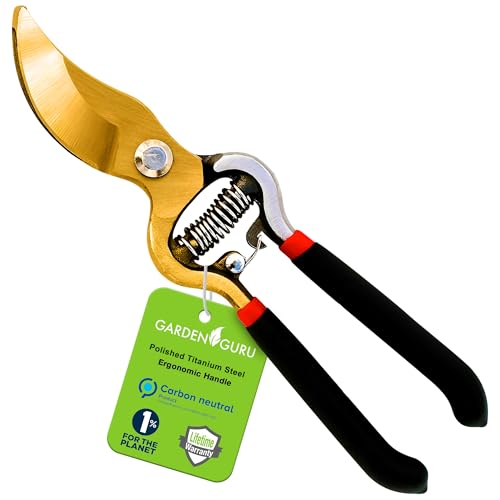
TITANIUM BLADE: This is a heavy, high quality pruning shear you’ll be proud to own or gift. These garden pruners are a classic design and come with a titanium blade for extra sharp cuts and extended durability.
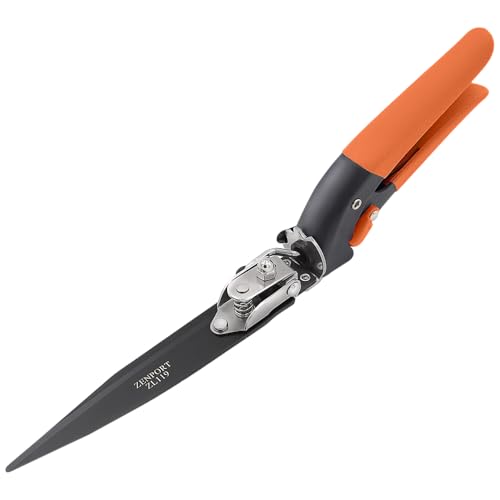
Adjustable heavy duty landscape grass shears

CUTCO Forever Guarantee provides for free sharpening and replacement forever.
Summer Pruning: Light Maintenance and Deadheading

When growth is well underway, summer pruning serves as light maintenance to keep plants healthy and tidy. Remove spent blooms by cutting just above the first set of healthy leaves, this deadheading encourages more flowering and extends display periods. Thin fruit clusters so remaining fruits reach larger sizes, leave about 4–6 inches between clusters on small branches to avoid crowding. Cut water sprouts and basal suckers at their bases, use clean bypass pruners with 1⁄2-inch clearance from the main stem to reduce infection risk. Aim to improve air circulation and sunlight penetration, space cuts to create an open framework. Reserve major pruning for June when needed, or postpone radical cuts to late winter for sensitive species to prevent stress. It’s important to choose triangular shapes when fitting protective coverings like shade sails in your garden, to ensure optimal coverage and UV protection.
Recommended Products
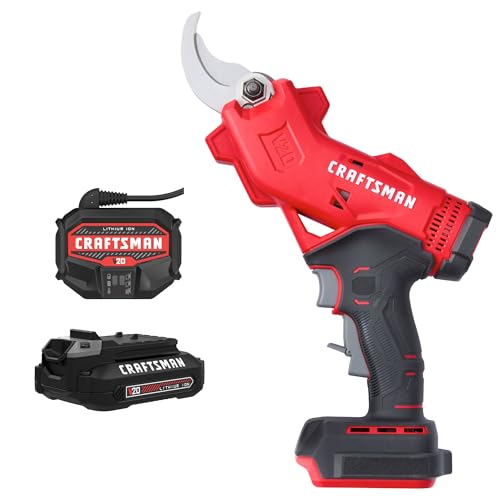
Powerful, cordless convenience: designed to deliver dependable performance

SMOOTH, SWIFT CUTS with non-stick coated blades
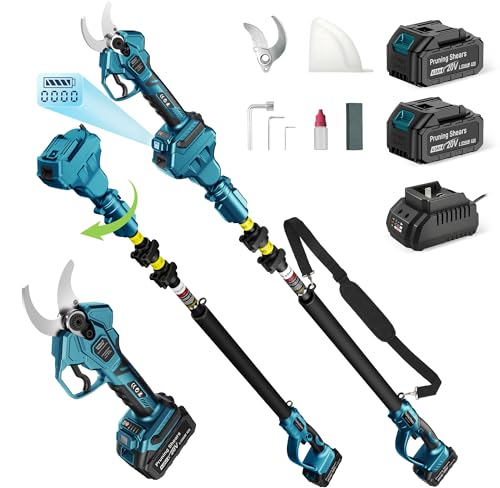
【2-in-1 Pole Pruner with Extension Rod】Effortlessly switch between handheld and pole modes (range: 5.4 ft to 9.2 ft). Our battery pruning shears allows you to easily trim low shrubs or reach high branches with precision. With 4 adjustable cutting diameters (0.4"-0.6"-1"-1.6"), it meets various pruning needs for gardens, yards, orchards, farms, and more. Ideal for a variety of gardening tasks!
Fall Pruning: Preparing Shrubs and Perennials for Winter

A light, measured approach works best for fall pruning of shrubs and perennials. Prune minimally, focusing on light thinning and cleanup to avoid stimulating new growth before winter, and wait until plants are dormant after the first frost. Remove dead or diseased branches, cutting to healthy tissue about 1/4 inch above a bud or lateral, and thin crowded stems to improve airflow and reduce fungal risk. Avoid pruning plants that set buds on old wood, such as hydrangeas and lilacs, since cuts can reduce spring bloom. Small aesthetic trims in late fall come to the rescue for tidy beds, but avoid heavy cuts on vigorous or winter-sensitive species, and leave seedheads when wildlife or winter interest is desired. Consider using high-carbon stainless steel shears for precision cuts and durability during your pruning tasks, ensuring clean cuts and extending the lifespan of your tool.
Recommended Products
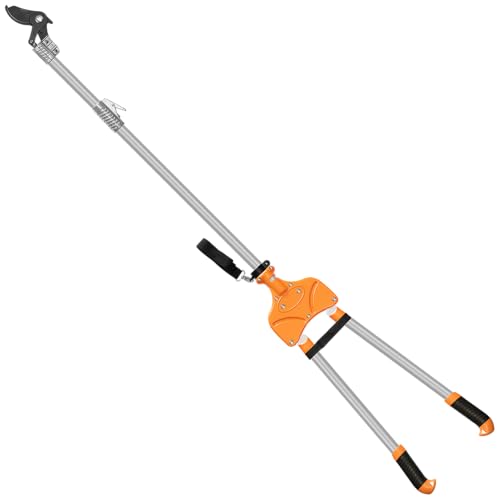
96-INCH TELESCOPIC REACH: Trim branches, suckers, and new growth on tall trees, hedges, and overgrown shrubs, all without a ladder.

At full capacity, this battery will last a full 12 hours and will complete more than 15, 000 cuts on 1. 5-inch/35mm branches. This pruner is super light weighing in at 1. 9-pounds/0. 9kg

Plus Grow Tent Kit: A professional choice that simplifies indoor gardening and maximizes growth potential; Includes a premium grow tent, tunable spectrum grow light, ventilation & circulation system, smart GrowHub, and essential accessories—all in one to support healthy growth and higher yields
Winter Pruning: Dormant Care for Trees and Cane-Type Shrubs

Fall cleanup sets the stage for winter work and should be followed by more focused dormant pruning. Winter pruning is best done mid-February to March, while sap movement is minimal and buds remain dormant. Deciduous trees are pruned to remove dead wood and shape structure, with care on apples, pears, quince, oaks and elms to limit open cuts and fungal risk. Cane-type shrubs, such as red- and yellow-twig dogwood, respond well to coppicing in late winter, cutting stems to 5–10 cm above ground to encourage vigorous new growth. Wisteria benefits from late winter structural management, removing crossing stems and shortening long shoots to two or three bud clusters. Proper dormant care improves plant health and promotes vigorous spring growth. Pruning frequency and timing are crucial considerations when maintaining the health and shape of bonsai trees, as they should be pruned every few months during the growing season.
Recommended Products

Telescopes from 4’ – 7’, 1/4" cutting capacity
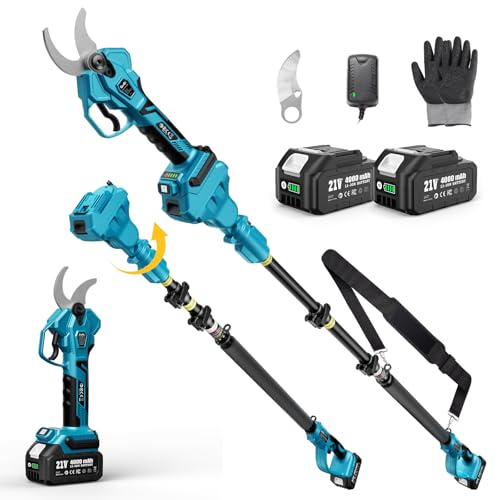
2-in-1 Electric Pruner with Telescopic Pole: Switch seamlessly between handheld and pole mode for flexible pruning; Trim low shrubs with control, or extend the pole to reach high branches with ease—one tool, endless reach

UNIQUE PATENTED ANGLED HEAD DESIGN CUTS UP TO 1.25 inch / 38mm Cuts At Any Angle Level With The 65° Angle Design... Straight, Sideways And Upside Down.
Pruning Flowering Shrubs: Old Wood vs. New Wood Timing

Why prune at different times for different shrubs? Old wood shrubs, like forsythia and azaleas, bloom on stems formed the previous year. Pruning shrubs immediately after flowering preserves flower buds that develop on overwintered wood. Avoid heavy cutting back, removing at most one-third of the oldest stems, to maintain bloom time. New wood bloomers, such as spirea and some hydrangeas, flower on current season growth. Prune in late winter/early spring, cutting back 6–12 inches to encourage new growth for summer bloomers. Rejuvenation pruning every 3–7 years helps old wood species, selectively removing oldest stems at ground level. Pruning in fall is generally discouraged for most flowering shrubs, because it can remove pending flower buds or reduce cold hardiness. For effective pruning, high-carbon steel blades ensure sharpness and durability, making them ideal for maintaining plant health and promoting robust growth.
Pruning Roses, Hydrangeas, and Other Specialty Plants
After discussing timing for old-wood and new-wood shrubs, attention shifts to roses, hydrangeas, and other specialty plants that each require their own pruning rules. Prune roses in early spring, before new growth begins, typically late February to early April. For hybrid roses cut back to 6–12 inches, just above outward-facing buds, to encourage new strong canes. Hydrangeas vary: mophead and lacecap bloom on old wood, so prune just after flowering in late summer; smooth and panicle types bloom on new wood, so cut back in early spring to 12–18 inches. Wisteria needs structural pruning in late winter and size control pruning in summer. Lilacs should be pruned immediately after flowering in late spring, removing spent stems and thinning old canes to maintain vigor. When setting up your outdoor garden, consider using UV-block ratings shade sails to protect your plants from harsh sunlight.
Recommended Products

Great garden shears for serious gardeners. This is a heavy, high quality pruning shear you’ll be proud to own or gift. These garden pruners are a classic design and feel expensive. Every gardener needs this pruner, but most gardeners don’t have one.

HARDENED STAINLESS STEEL BLADES: Designed with straight sharp blades for precision snips and cuts, these gardening scissors are great for pruning fruit trees, bonsai, and thorny bushes. Pruning shears are durable, sharp, and come with an easy safety lock for storage.

Fruit Trees and Vegetable Plants: Timing for Best Yield
One clear rule guides timing for pruning fruit trees and vegetables: cut during dormancy or at controlled growth stages to direct energy where it matters. Fruit trees are best pruned in late winter or early spring, while still dormant, to encourage branching and stimulate new growth for the season. Stone fruits, such as cherries and peaches, need pruning from pre-bloom to two weeks after bloom to promote healthy fruit set. Apple and pear trees are pruned in late winter to remove dead wood and maintain shape, maximizing yield. Vegetable plants benefit from timely pruning to remove suckers and lower leaves, which improves air circulation and light penetration. For tomatoes, remove suckers 1–2 inches from the main stem to focus energy on fruit. Using full-spectrum LEDs with strong blue and red light can also promote robust growth in seedlings during these periods.
Frequently Asked Questions
When to Prune Different Types of Plants?
He advises pruning season guide: spring for most shrubs/trees, late winter for heavy cuts, summer for size control, and post-bloom for old-wood flowers. Plant types overview, seasonal pruning benefits, pruning timing tips, climate impact on pruning, flower species pruning, fruit tree schedules, shrub care timing, perennial plant needs, young tree maintenance.
What Is the 1 3 Rule for Pruning?
Like a surgeon’s steady hand, the 1-3 rule removes one branch for every three to thin canopy, guiding pruning techniques; it balances plant health, growth patterns, timing importance, seasonal considerations, tools needed, aesthetics focus, young plants, maintenance tips, avoiding pruning mistakes.
Is October Too Late to Prune?
October pruning can be risky: October pruning may be too late for many plants. Late season cuts affect plant health and winter preparation; dormant trees tolerate light shrub trimming. Timing factors include growth patterns, hardiness zones and pruning techniques.
What Are the Three Rules of Pruning?
The three rules of pruning: prune at proper times for plant types and growth stages, use clean pruning techniques and sharp pruning tools, and preserve natural form while removing dead wood—balancing seasonal guidelines, timing impacts, maintenance strategies, health benefits, aesthetic purposes, common mistakes.


