As an Amazon Associate, we earn from qualifying purchases. Some links on this site are affiliate links at no extra cost to you. Our recommendations are based on thorough research and editorial judgment.


Understanding Hardiness Zones and What You Can Grow

Hardiness zones classify locations by average annual extreme minimum temperature, each zone spanning 10°F with 5°F “a/b” subdivisions. Use the USDA map or a zip‑code lookup to find local zone numbers such as 7b (0 to 5°F). Choose perennials and trees rated for your zone or one warmer in sheltered spots. Note soil, exposure, and microclimates can change outcomes; test soil pH and improve drainage with 2–3 inches compost. Further guidance follows.
Key Takeaways
- Hardiness zones reflect average annual extreme minimum temperatures and help match plants to winter cold tolerance.
- The USDA 2023 map (1991–2020 data) shifted many zone boundaries, so check updated local zone by ZIP code.
- Plant tags list zone ratings; choose species rated for your zone or one zone warmer in sheltered microclimates.
- Hardiness zones only show cold limits—consider soil, drainage, sun exposure, and frost dates too.
- Improve success with soil testing, mulch, and site-specific practices (windbreaks, heat sinks, or raised beds).
What Hardiness Zones Are and How They’re Determined
You may be interested


Although the term sounds technical, hardiness zones are simply a tool for matching plants to cold conditions. Hardiness zones divide regions by average annual extreme minimum temperatures, the coldest typical winter lows used to gauge plant survival. The USDA Plant Hardiness Zone Map classifies North America into 13 zones, each covering a 10°F range, with a and b subdivisions for 5°F differences. Zone labels like 7b indicate specific minimum temperatures, helping gardeners choose perennials and shrubs likely to survive winter. The most recent Plant Hardiness Zone Map update used 1991–2020 data from about 13,000 stations, refining boundaries based on measured minima. Understanding these technical specifications aids practical garden planning, matching plant hardiness ratings to local minimum temperatures. For those maintaining lawns with edgers, it’s important to consider the ergonomic design features that enhance user comfort during extended use.
Reading the USDA Plant Hardiness Zone Map

Having learned what hardiness zones represent and how they are calculated, attention now turns to reading the USDA Plant Hardiness Zone Map itself. The USDA Plant Hardiness Zone map divides North America into 13 zones by average winter temperatures, each zone covering a 10°F range, with a and b subzones adding 5°F granularity. Users can search by zip code or click the interactive map to find local zones. The map guides plant choices for perennials, trees, and shrubs, though soil, exposure, and microclimates also matter. For example, Zone 6a has typical lows of -10°F to -5°F, while Zone 6b ranges -5°F to 0°F. The map, updated with recent averages, helps adapt gardening plans amid climate change. Additionally, gardeners should consider energy efficiency when choosing grow lights, as it can significantly impact long-term electricity costs and plant health.
Recommended Products

This Mystery Apple Tree will come with the variety name and care instructions in the box.
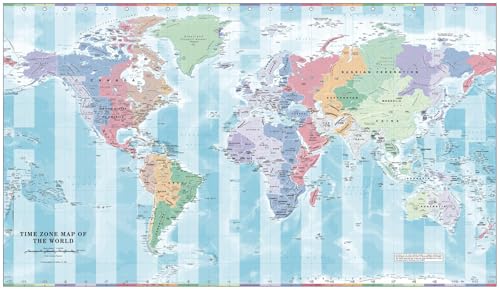
HIGH QUALITY PRINT: Your laminated map has a glossy finish so that you can use dry erase markers on the map to highlight features, make plans, and share unique information with others. Lamination is also extremely durable, resistant to folding or ripping
HIGH QUALITY PRINT: Your laminated map has a glossy finish so that you can use dry erase markers on the map to highlight features, make plans, and share unique information with others. Lamination is also extremely durable, resistant to folding or ripping
Recent Changes and the 2023 Map Update

When the USDA released its November 2023 update, the map shifted to reflect average annual winter lows from 1991–2020, showing measurable warming across many regions. The revised Hardiness Map used data from about 13,000 weather stations, producing new temperature averages that moved many climate zones northward. Some parts of Philadelphia are now 7b or 8a, which permits plants once considered marginal. Zones are defined by average annual minimum temperatures, in 10°F increments for broader bands and 5°F subzones for finer detail. Gardeners should note earlier bloom times, and frost risk remains possible. The update suggests expanded species options, such as camellias and crepe myrtles, but local microclimates still determine success, so site-specific testing will come to the rescue. The best use cases for fairy lights include decorations during holidays, weddings, and parties, providing versatile lighting solutions that enhance home ambiance.
How Hardiness Zones Affect Plant Selection

Consult the local hardiness zone before choosing perennials, shrubs, or trees. Gardeners consult the USDA map to find the zone number, which reflects average minimum winter temperatures in 10°F increments. Use the zone printed on plant tags for plant selection, matching a plant’s rated cold tolerance to the local minimum winter temperatures. If a tag lists zone 6 (-10 to 0°F), it should survive typical winters in that zone. Choosing plants rated for one zone warmer can come to the rescue in sheltered sites. Remember that environmental factors such as soil drainage, humidity, and sun exposure also influence survival. For best results, combine zone guidance with measurements — soil pH, freeze dates, and local exposure — when planning a planting scheme. It’s also important to consider UV protection rates when selecting outdoor structures such as shade sails, which can affect plant health and growth in various sunlight conditions.
Recommended Products

NATURAL ORNAMENTAL GRASS: Outsidepride Little Bluestem Grass Seed adds texture and vibrant color to lawns and gardens, making it a favorite for ornamental plantings. Blends well with wildflowers, enhancing natural beauty in full sun landscapes with minimal maintenance needs.

COLORFUL BLOOMS: Enjoy months of continuous color with 64 vibrant perennial flowers. 12 Blue Mistflower, 8 Purple Coneflower, 8 Butterfly Milkweed, 4 Wild Bergamot, 8 Aromatic Aster, 8 Smooth Penstemon, 8 Mountain Mint, 8 Lanceleaf Coreopsis, and 4 Wild Bergamot. Their bright purple, pink, yellow, and blue blooms create a stunning display in any garden.
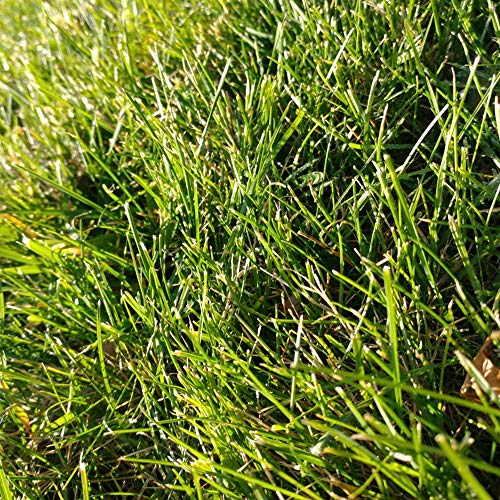
Cabin Grass Seed Mix - 25 Lb - AKA: Green Space Holder, Dryland Turf Mix, Erosion Turf Mix
Limitations of Hardiness Zones and Local Microclimates

The USDA hardiness zone gives a useful starting point for plant selection, but it measures only average annual extreme minimum temperatures in 10°F (about 5.6°C) increments. This metric reflects minimum winter lows, not frost dates or snow insulation, so it is incomplete. Local microclimates can raise or lower temperatures over small distances, caused by slopes, buildings, or soil moisture differences. The USDA Hardiness Zone Map offers generalized guidance, useful at county scales, but gardeners must assess site-specific conditions for reliable plant survival. Historical extremes sometimes shift local zones, demonstrating variability. Practical steps include recording local lows, noting frost timing, measuring soil drainage, and observing urban heat effects, all of which help adapt choices beyond the hardiness zone baseline. It’s also important to consider the heat resistance ratings of materials used for garden structures or coverings, as they influence the microclimate and plant protection.
Using Zone Information to Plan Your Garden
Although zone maps offer a clear starting point, gardeners should treat them as broad guidelines rather than exact rules. Use the USDA Plant Hardiness Zone Map to identify your zone by average annual minimum temperatures, which are given in 10°F (≈5.6°C) bands. Match plants labeled for that hardiness zone; perennials and shrubs often list zones 3–9, for example. Consider microclimates such as south-facing walls or frost pockets, which can shift effective conditions by one zone. Note the 1991–2020 updated temperatures on the 2023 map, and plan accordingly. Check species-specific recommendations for root depth, winter mulch thickness (2–4 inches), and siting. Remember frost dates and local factors are not included, so test conservatively.
Recommended Products

These are ready to plant and should be put in the ground according to the included instructions upon arrival. All pictures are of fully grown plants. Sizes shipped are in the title and description.

Hairy Vetch Cover Crop Seeds - 25 Lbs - Vicia villosa

Growing a mango tree is best suited to tropical and subtropical hardiness zones where temperatures do not fall below 40 degrees Fahrenheit. Although it can be tricky to grow, a mango tree can make an interesting specimen when grown in a large pot outdoors or indoors.
Tools and Resources: Interactive Maps and Zip Code Search
A Zip Code Search on the USDA Plant Hardiness Zone Map can quickly locate a planting zone for any U.S. address. The online tool asks for a zip code, then the interactive maps display a color-coded hardiness zone, which corresponds to average annual extreme minimum temperatures. Downloadable maps include national, regional, and state PDFs for offline use, useful when fieldwork lacks internet. The USDA zones map shows data from 1991–2020, revised November 2023, reflecting average low temperatures in °F. Guidance pages explain how to interpret zone numbers, 10°F bands, and microclimate adjustments of one half zone. Practical tips include recording one’s zip code, comparing nearby stations, and printing the regional map for seasonal planting plans. For sustainable gardening practices, consider solar grow lights as an energy-efficient solution to support plant growth in low-light conditions.
Recommended Products

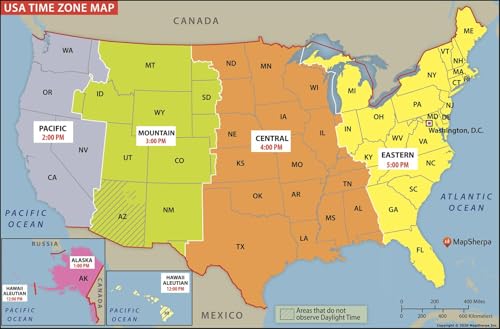
Find the time in another part of North America "at a glance" with this full color time zone and area code map. Artistic style map features different colors for each of the Atlantic, Eastern, Central, Mountain, Pacific, Alaska, and Hawaii standard time zones.

EXTRA LARGE WALL MAP: This wall map measures 60 x 40 inches, which is a perfect size for a wall poster collection

22.25 x 15.75 inches. Printed on polypropylene. The material is stronger than most papers and unlikely to crease or rip. The matte finish eliminates glare, and adds texture to the map. Ideal for display. Please note this map is NOT laminated - the page is not appropriate for dry-erase markers. Flat map, tubed for shipping.
Complementary Systems: Sunset Zones and Heat Zones
Garden planning often needs more than cold-hardiness numbers. Sunset climate zones offer 45 region types based on temperature, rainfall, humidity, and elevation, giving a fuller picture of growing conditions. They use alphanumeric codes, for example 24, with letters that note coastal influence or inland heat, to refine plant selection. AHS heat zones come to the rescue for summer stress. They count days above 30°C (86°F) and divide locations into 12 categories, guiding selection of heat-tolerant plants such as basil and zinnias that handle 60–90 hot days per year. Together these systems address temperature fluctuations across seasons, complement USDA maps, and help gardeners choose species and site placements with measured expectations. By incorporating full spectrum light into your garden planning, you can support healthy growth and vibrant blooms for plants sensitive to light conditions.
Recommended Products

Heavy Duty & True to Size – WHITEDUCK’s 40x60 ft poly tarp is designed for durability and tear resistance, ensuring true-to-size coverage. It offers full protection against rain, wind, UV rays, and snow, making it ideal for all-weather use.

Bulk Package Value: You will receive 4 bags per order for comprehensive lawn coverage.

ARCHITECTURAL TALL RECTANGULAR PLANTER FOR REFINED SPACES: Designed with a modern architectural silhouette, this tall rectangular planter brings a clean, elevated aesthetic to patios, entryways, balconies, terraces, and interior spaces. A sculptural foundation for greenery that enhances both residential and commercial environments.
Practical Grower Tips: Soil Health, Weeding, and Winter Care
When soil is tested regularly, problems are found and fixed before plants suffer. Soil pH and nutrient levels should be measured annually, using tests that report phosphorus, potassium, and nitrogen in ppm. Improve soil drainage by adding 2–4 inches of composted organic matter across beds, then till or double-dig to 6–8 inches. Weeding prevents resource competition; remove weeds when small, hand-pull roots or hoe every 7–14 days during the growing season. Mulch 2–3 inches around perennials for insulation against extreme winter temperatures, and to suppress weeds. Consult hardiness zone maps to choose plants suited to expected lows, and note microclimates on the property. Prune vulnerable branches and cover tender plants when forecasts predict freeze events. Consider using ergonomic handles on gardening tools to minimize hand fatigue during extended use.
ARS Research and Innovations That Impact Growing Choices
Because soil composition determines many planting decisions, ARS tools that map soil carbon come to the rescue for growers. ARS research produces detailed soil carbon maps, using sensors with 0.5–2.0 meter spatial resolution, guiding site selection. The USDA released a revised plant hardiness map, integrating long-term weather data and ARS findings, to refine zone boundaries. Growers learn which species suit median minimum temperatures, root depth, and moisture regimes. ARS promotes cover crops, recommending 20–30% cover in rotation to boost organic matter by 0.1–0.3% annually. Perennial trees are highlighted for timber, forage, and carbon resilience, with planting densities of 200–400 trees per hectare suggested. Educational tools translate research into actionable steps for Growing Plants sustainably. Pruning shears with ergonomic designs greatly enhance gardening productivity, allowing for efficient maintenance of perennial trees and cover crops.
Frequently Asked Questions
How to Interpret Hardiness Zones?
Hardiness zone definitions guide which plants survive local minimums; interpret temperature variations, apply plant selection criteria, adopt gardening techniques and climate adaptation strategies, and consider microclimates and updated maps to choose suitable species confidently.
Is Zone 3 or 4 Colder?
Zone 3 is colder. Like a freezer-rated thermometer stuck on -40, one data point shows Zone 3 lower extremes exceed Zone 4, so gardeners use zone temperature comparison, winter plant survival, extreme weather impact, gardening adaptations tips, climate change effects.
What Plant Zone Is Connecticut In?
Connecticut is mostly in USDA Zones 6a to 7a. A Connecticut native gardener selects ideal crops like azaleas, hydrangeas; considers climate impact, seasonal gardening patterns, and applies local gardening tips for microclimate success.
What Plant Zone Is Alabama In?
Alabama falls mainly in hardiness zones 7b to 8a, with some coastal 8b. Like a warm tapestry, Alabama native plants thrive; ideal crops, seasonal planting, climate variations, and practical gardening tips guide success for local growers.


