As an Amazon Associate, we earn from qualifying purchases. Some links on this site are affiliate links at no extra cost to you. Our recommendations are based on thorough research and editorial judgment.


Breathable Vs Waterproof Shade Sail Materials Explained

Breathable mesh is HDPE fabric that lets air pass, blocks 90–98% UV, and lasts 10–15 years with 180–320 GSM weights. Waterproof sails use multi-layer polyester with PU coatings, resist up to a 15‑inch water column, and need a 30° minimum slope to avoid pooling. Breathable sails cool better, shed light rain, and resist wind; waterproof ones give full rain protection but trap heat and need firmer tensioning. Continue for installation, care, and choice guidance.
Key Takeaways
- Breathable HDPE fabrics allow airflow, reduce heat by ~37%, filter up to 97% UV, and last 10–15 years with proper care.
- Waterproof multi-layer sails (polyester with PU coating) block rain fully, need a minimum 30° slope to prevent pooling.
- Breathable sails drain light rain through the fabric and resist wind better due to airflow, lowering tear risk.
- Waterproof sails require stronger tension, a 15–30% slope, and stiffer anchors to handle water loads and avoid damage.
- Maintenance: monthly tension checks and mild cleaning for both; remove waterproof sails before heavy snow or severe storms.
Understanding Breathable and Waterproof Shade Fabrics
You may be interested


Although both breathable and waterproof shade fabrics block sunlight, their construction and performance differ in predictable ways. Breathable fabric, often high-density polyethylene (HDPE), permits airflow and filters up to 97% of UV protection, creating a cooler space beneath the sail. These shade materials range from 180 to 320 GSM, heavier cloth lasting about 10 to 15 years with proper care. Waterproof sails use multi-layer builds like polyester with PU coatings, offering full rain protection and water resistance above a 15-inch water column. Waterproof shade fabrics need a minimum 30-degree slope to drain and avoid pooling. Breathable options depend on correct tensioning to enable airflow and can manage 20–40% of drainage, while waterproofs maintain use during heavy weather. HDPE shade sails, such as those blocking 95% of UV rays, are favored for their breathability and ability to keep areas cooler while providing substantial sun protection.
The Four Maanta Fabric Options at a Glance

Maanta offers four fabric choices to suit different shade needs and weather conditions. Easy Shade uses 160 gsm waterproof polyester with a double PU coating, and 180 gsm HDPE provides breathable fabrics that shed light rain while allowing airflow. Saill and Solaria use 270 gsm waterproof Purishade® and a sturdy 320 gsm Meshnet® for rain protection and cooler shade. Waterproof materials provide strong water protection, with Purishade® rated to a 15-inch water column for heavy rain. Breathable options drain 20% (HDPE) to 40% (Meshnet®) of water when tensioned correctly. Proper installation is essential, requiring at least a 25% slope and correct tension to prevent pooling and maintain durability of these shade sails. It is important to assess thickness when choosing shade sail materials, similar to considerations for brown packing tape, to ensure optimal performance.
How Breathable Fabrics Work: HDPE and Meshnet

A breathable fabric is a practical solution for reducing heat under a shade sail. HDPE (high-density polyethylene) fabrics, weighing 180–320 gsm, block 90%–98% of UV rays, while still allowing hot air to escape through the knitted structure. Meshnet, at about 320 gsm, boosts breathability and can handle roughly 40% of water when tensioned correctly, aiding water drainage during light rain. Both materials resist mold and tearing, increasing durability in outdoor conditions. Proper installation requires firm tension and at least a 25% slope to prevent pooling and maintain airflow. Installers should measure fabric weight, confirm UV protection ratings, and set anchor points to specified slopes, so heat reduction and drainage perform as intended. Shade sails often include fire-resistant properties to ensure safety while blocking up to 95% of harmful UV rays, providing both protection and comfort in outdoor settings.
How Waterproof Fabrics Work: Purishade® and Coated Polyester
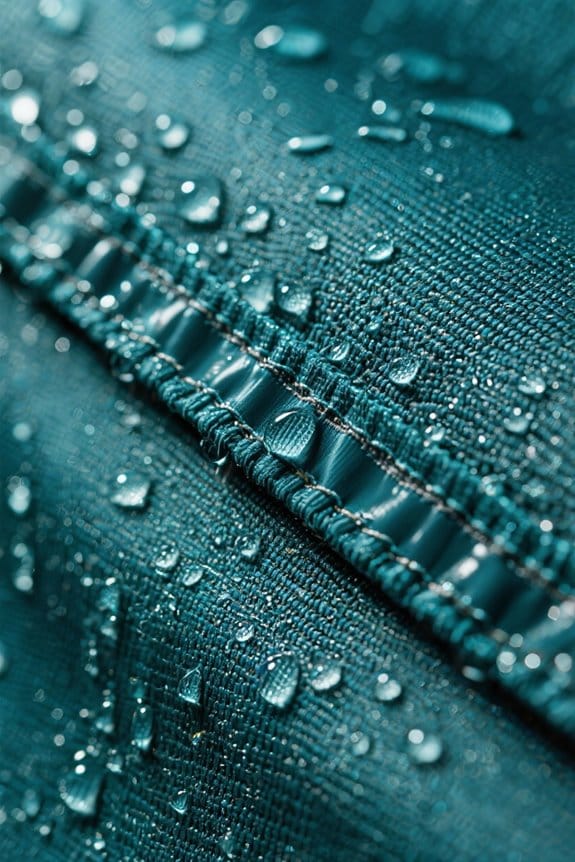
Waterproof fabrics come to the rescue when rain is a concern for outdoor shade. Purishade uses specialized layers to repel water while keeping some breathability, its water column resistance measures 15 inches, suitable for moderate rain when tensioned correctly. Coated polyester employs double PU coating, as in a 160 gsm option, to increase waterproofing yet maintain low weight for easier installation. Both materials block UV rays, with coated polyester offering up to 98% UV protection, contributing to cooler, safer outdoor spaces. Proper drainage requires a slope of at least 15 degrees to prevent pooling and fabric strain. Installers should guarantee taut mounting, adequate slope, and secure fittings to preserve performance and extend lifespan. For anvil pruning shears, it’s important to consider blade materials and ergonomic designs to enhance the efficiency and enjoyment of gardening tasks.
Recommended Products

【𝗛𝗘𝗔𝗩𝗬 𝗗𝗨𝗧𝗬】: our super ring shade sail exact 260 GSM permeable extra fabric, stainless mounting super rings, edges with cable wires built-in, integrate into the mounting rings, all pulling strength goes to the cable wires, making the edges more durable

Durable & Heavy-Duty Material: Crafted from 120GSM high-density polyethylene (HDPE) with reinforced binding and grommets, this sun shade cloth offers exceptional durability for outdoor use. Its permeable design allows rainwater to pass through easily, preventing water accumulation and sagging. Resistant to tearing and mild weather, it provides reliable sun shade and light wind protection season after season

【𝗦𝗨𝗣𝗘𝗥 𝗛𝗘𝗔𝗩𝗬 𝗗𝗨𝗧𝗬 𝗡𝗘𝗪 𝗣𝗔𝗧𝗘𝗡𝗧 𝗗𝗘𝗦𝗜𝗚𝗡】: Made of 260 GSM permeable extra heavy duty fabric, heavy duty stainless mounting rings, cable wires built-in edges, integrate into the mounting rings, all pulling strength goes to the cable wires, not only making the edges more durable, it also enhence the appearance of shade sail.
Performance Comparison: Heat, Ventilation and Comfort

When choosing between breathable and waterproof shade sails, consider how each material handles heat, airflow, and moisture to match site needs. Breathable shade sails use HDPE and Meshnet® to promote air circulation, letting hot air escape and reducing heat retention by about 37% between layers. They also offer water drainage capabilities when properly tensioned, shedding roughly 20% (HDPE 180 gsm) to 40% (Meshnet® 320 gsm) of light rain. Waterproof shade sails provide full rain protection, with fabrics like Purishade® rated to a 15-inch water column, and come to the rescue in heavy downpours. However, waterproof options can trap heat without proper installation; a 25% slope is recommended to prevent overheating and pooling. Ventilation and thermal advantage guide material choice. When selecting shade sails, UV protection is crucial; opt for sails that block 90-98% of UV rays for optimal sun protection.
Rain Protection and Water Drainage Characteristics
Rain protection and water drainage are practical concerns for selecting a shade sail material. Breathable sails shed some water by letting moisture pass through the fabric weave, so pooling is reduced during light rain. Breathable HDPE allows roughly 20% water drainage when tensioned correctly, and Meshnet® can reach about 40%, improving runoff. Waterproof fabrics provide full rain protection, with products like 270 gsm Purishade® resisting a 15-inch water column, so no seepage occurs. Proper slope is critical; a minimum 25% gradient guarantees effective water runoff and prevents sagging pockets. Performance characteristics differ; breathable options come to the rescue for steady drainage, while waterproof fabrics require careful tensioning or removal in severe weather to avoid damage. Many shade sails, like those made from high-density polyethylene, block up to 95% of harmful UV rays, offering both shade and protection.
Durability, Tear Resistance and Wind Performance
Durability is a critical factor when choosing a shade sail material. Breathable fabrics like HDPE and Meshnet® offer high wind resistance because airflow passes through them, reducing sail liftoff in gusts. They combine tensile strength—measured in newtons or kgf—with slight elasticity, which helps absorb stress from wind and impacts. Waterproof sails block rain effectively, but can be more prone to tearing in extreme weather if not tensioned correctly or exposed to hail. Waterproof designs require a slope of at least 15 degrees to prevent pool formation and prolonged stress. For long-term use, HDPE’s anti-tear properties extend lifespan to roughly 10–15 years under normal conditions. Choose material based on site wind loads and expected weather. To ensure maximum UV protection and longevity, select sails made from 160-280 GSM polyester, which balances durability, breathability, and sun blockage.
Maintenance, Cleaning and Long-Term Care
Several simple steps keep a shade sail functional for years. Inspect sails monthly for tension, tears, and loose fittings, using a tape measure to check sag under 1–2 inches (25–50 mm) at mid-span. Breathable fabrics need minimal maintenance, rain often comes to the rescue, and periodic hosing removes dust. Waterproof sails require more frequent cleaning, use a soft brush and mild soap with water at 1–2% solution, rinse thoroughly. Watch for mold and mildew on waterproof panels, guarantee a 5°–10° slope for drainage to prevent trapped moisture. Remove waterproof sails before heavy snow seasons to avoid load damage. Long-term care includes storing dry, folded on a clean pallet, and replacing corroded hardware every 3–5 years. It is important to exercise caution when installing or maintaining shade sails to avoid damaging any buried utility lines that may be present in the area.
Choosing the Right Fabric for Your Climate and Space
After addressing maintenance and storage, fabric choice becomes the next practical decision. Choose fabric types by matching climate and use. For rainy regions, waterproof PES polyester with a PU coating is recommended, offering complete protection and higher durability in damp conditions. Breathable HDPE fabrics come to the rescue in hot, dry climates, allowing airflow and lowering temperatures in outdoor spaces. HDPE ranges from about 180 gsm to 320 gsm and blocks 90–98% of UV protection, defined here as prevention of sunburn and material degradation. Waterproof sails require more maintenance and careful tensioning to avoid pooling. Consider specific environmental conditions, roof angles, and intended use when selecting shade sails, balancing airflow needs against waterproofing and upkeep requirements. Waterproof materials such as PU-coated HDPE or durable polyester ensure durability against light rain.
Recommended Products
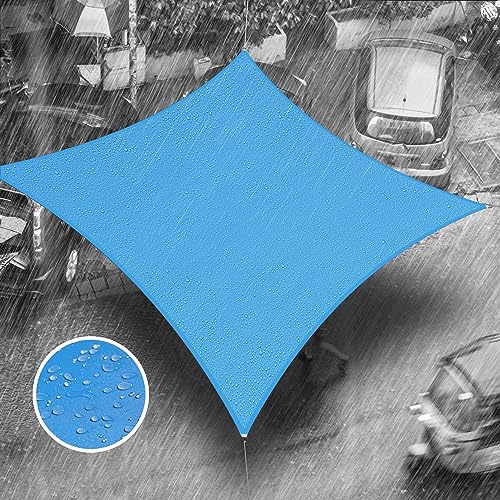
[Storm Water Defense] This waterproof triangle/rectangle sun shade sail 220GSM PES cover stops rain with a durable PU coating. A 20-degree tilt allows water to drain quickly. This method prevents pooling and protects your small patio space.

[Storm Water Defense] This waterproof triangle/rectangle sun shade sail 220GSM PES cover stops rain with a durable PU coating. A 20-degree tilt allows water to drain quickly. This method prevents pooling and protects your small patio space.

[Storm Water Defense] This waterproof triangle/rectangle sun shade sail 220GSM PES cover stops rain with a durable PU coating. A 20-degree tilt allows water to drain quickly. This method prevents pooling and protects your small patio space.
Installation Best Practices: Tension, Slope and Mounting
Proper tensioning and correct slope are essential for a reliable shade sail installation. Installers should apply firm tension to prevent sagging, which protects fabric integrity and aids water runoff during rain events. Aim for a minimum slope of 15% to 30% on waterproof sails to avoid pooling; breathable sails tolerate gentler inclines in breezy locations. Position mounting points 0.5 to 1 foot away from anchors to allow adjustment and prevent anchor fatigue. Waterproof systems require stiffer anchors because accumulated water increases load, while breathable fabric can flex and come to the rescue in gusts. During installation, use turnbuckles or ratchets rated for outdoor loads, and record tension values for future maintenance checks. Inspect fastenings periodically and retension as needed to prolong lifespan.
Recommended Products

【𝗛𝗘𝗔𝗩𝗬 𝗗𝗨𝗧𝗬】: our super ring shade sail exact 260 GSM permeable extra fabric, stainless mounting super rings, edges with cable wires built-in, integrate into the mounting rings, all pulling strength goes to the cable wires, making the edges more durable

Super Heavy Duty Commercial Grade Design: Crafted from 280 GSM permeable extra heavy-duty fabric and reinforced with stainless steel mounting rings, KANAGAWA patented design integrates cable wires into the edges. This ensures all pulling strength is directed to the cable wires, enhancing both durability and appearance, making it ideal for commercial and residential use

Exquisite workmanship: All shade sails made in USA, heavy-duty and durable material, sturdy construction with reinforced edges and corner connection points, durable stainless steel D-rings at each corner. Quality guaranteed, delicate workmanship.
Handling Extreme Weather, Storms and Hail
A reliable plan is essential when preparing shade sails for severe weather. Breathable fabrics, such as HDPE or Meshnet®, come to the rescue with elasticity that absorbs hail impacts better than rigid waterproof membranes. Waterproof sails can tear under hail and strong winds, so removal before storms is often advised to prevent costly damage. Install breathable sails with at least 25% slope, proper tensioning and secure anchors to promote drainage and minimize pooling during rainstorms. HDPE’s open-knit improves wind resistance and can remain installed in many storm conditions when tensioned to 50–100 kg per anchor, depending on size. Regular inspections for frayed edges and re-tensioning after high winds extend service life, helping breathable options outperform waterproof choices in extreme weather.
Warranty, Sustainability and Customer Satisfaction
Preparing sails for storms leads naturally to questions about post-event protections and long-term support. Maanta offers warranties ranging from 5 to 10 years on breathable HDPE fabrics, while waterproof options like Purishade® and Meshnet® often extend longer due to greater durability and coatings that resist UV and moisture. Customers are advised to keep receipts and photos for claims, follow low maintenance care such as periodic tension checks and mild detergent washes, and note installation torque specs to prevent hardware fatigue. Sustainability is addressed via recyclable materials and reduced environmental footprints, breathable designs lowering heat buildup by up to 10°C, and waterproof membranes providing reliable rain protection. Customer satisfaction rates 4.9/5 from over 25,000 purchases, with clear return and privacy policies enhancing trust.
Frequently Asked Questions
What Is the Best Material for Shade Sails?
The best material depends on use: breathable HDPE or waterproof PES are recommended, considering fabric types, UV protection, weight considerations, color options, installation tips, maintenance requirements, cost comparison and aesthetic appeal to balance performance and budget.
Are Waterproof Shade Sails Worth It?
Yes. They offer strong cost effectiveness and UV protection; durability comparison favors waterproofs. Climate suitability and aesthetic appeal score high. Installation ease requires proper slope. Maintenance tips improve lifespan, and customer reviews generally recommend them.
Is Breathable Fabric Waterproof?
By coincidence, breathable fabrics are not waterproof; they offer limited moisture resistance and fabric breathability for UV protection and outdoor durability. Waterproof fabrics block water. Proper shade sail installation and fabric maintenance influence performance and longevity.
What Is the Most Durable Sail Material?
The most durable sail material is high-density polyethylene (HDPE) and heavy coated polyester blends. Durability comparison cites sail longevity, material strength and UV resistance; include maintenance tips, environmental impact, and cost analysis tied to fabric properties.


