As an Amazon Associate, we earn from qualifying purchases. Some links on this site are affiliate links at no extra cost to you. Our recommendations are based on thorough research and editorial judgment.


Combining Shade Sails With Garden Lighting for Multi-Purpose Areas

Combining shade sails with garden lighting creates a flexible outdoor room. Use outdoor-rated LEDs (IP44+), 3000K warm white, 5–10W per 10m string for soft, efficient glow. Space bulb strings 20–30 cm apart and hang fixtures 1.8–2.2 m high to clear sail fabric by at least 30 cm, reducing fire risk. Secure with UV-resistant clips and GFCI protection. Add water-resistant cushions and 40–60 cm clearance around seating for airflow, then continue for full setup guidance.
Key Takeaways
- Position warm LED string lights (2700–3000K) around and under sails to create usable ambient light without glare or heat buildup.
- Use outdoor-rated (IP44+) low-voltage fairy lights and GFCI protection to ensure safe, weatherproof installations.
- Keep bulbs at least 30 cm from sail fabric and use UV-resistant clips to prevent sagging and fire risk.
- Arrange seating 90–120 cm apart with water-resistant cushions and maintain 40–60 cm clearance from sail edges for airflow.
- Integrate vertical greenery and ivy-wrapped fairy lights on trellises to add depth and multi-zone visual separation.
Choosing the Right Lighting for Your Shade Sail Area
You may be interested


When planning lighting beneath a shade sail, consider both form and function from the start. Choose copper fairy lights for a soft glow that blends with foliage, typically 5–10 meters long, consuming about 3–5 watts per meter, suitable for ambient tasks like dining. Use bulb string lights along edges for rustic definition, spacing bulbs 20–30 cm apart to outline a 3–5 meter sail. Weave ivy fairy lights through surrounding greenery to create vertical interest, selecting low-voltage (12V) options for safety and reduced heat. Pair outdoor paper lanterns with white sails, choosing 30–40 cm diameter lanterns for balanced light diffusion, and position them 1.8–2.2 meters above the ground for comfortable illumination. Consider colorful bunting to delineate zones. For those with outdoor utility concerns, always ensure that lighting installations do not interfere with buried utility lines, which can pose safety risks.
Recommended Products

Super Heavy-Duty Commercial Grade Design: Crafted from 280GSM extra-heavy-duty permeable fabric and reinforced with stainless steel mounting rings. The patented Artpuch design integrates steel cables into the edges, directing all pulling tension to the cables—enhancing both durability and appearance for commercial and residential use.

HIGH QUALITY MATERIAL - Our rectangle sun shade sail is made of 260GSM high-density polyethylene, finished with the strong stitching seam and double webbing. It is durable and fade-resistant, but not waterproof.

5-1/8 Inch diameter steel canopy with 1/8IP slip center hole
Installing Fairy Lights and String Bulbs Safely

Although outdoor-rated fairy lights are a small investment, they come to the rescue for durability and safety. Install only lights rated IP44 or higher to resist rain and splashes. Use LED strands, 3000K warm white, which run cool and use about 5–10W per 10m string. Make sure to attach with UV-resistant clips spaced 30–50 cm apart to prevent sagging and wind damage. Keep bulbs at least 30 cm away from the shade sail fabric to reduce fire risk, avoiding direct sunlight on wiring which can degrade insulation. Route cables to a weatherproof outlet, use a GFCI-protected circuit, and check weekly for frayed wires or loose connectors, replacing any damaged components immediately. Consider using battery-operated lights with timers for added convenience and energy efficiency, allowing for easy automation and creative placement without the need for electrical outlets.
Recommended Products

Led Net Mesh Lights:Made From Super Bright Leds.The Wire Covered In The Clear Plastic Is Copper Wire,Which Is Really Flexible And Durable.Specification 19.6ftx13ft.They Are Just A Mesh Of Lights,Very Easy To Put And Don't Get tangled!

Smart Christmas LED Cone Tree Lights: 5 feet and 6 feet12 drops LED Christmas tree with star topper. 130 and 156 RGB LEDs, C6 strawberry bubble Shell, 16 million colors, 58 built-in smart scenes, and more, and 4 music modes to choose from. Go beyond the traditional Christmas tree lights and bring you a new lighting experience
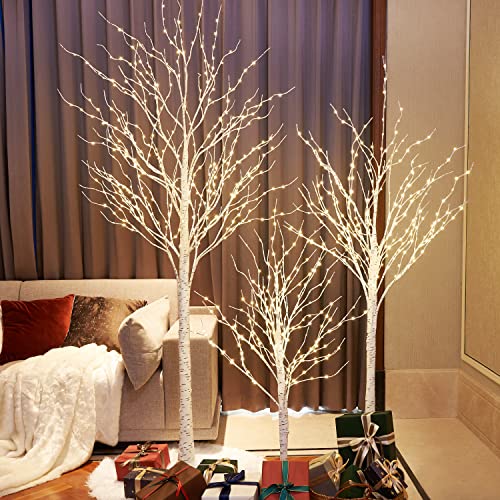
【LIGHTED BIRCH TREE SET】Comes with 4FT-228L, 6FT-321L and 8FT-497L birch trees with led lights, upgraded with more Fairy Lights which create an elegant holiday light show, also gives a gentle feeling in your decorative area
Creating Comfortable Seating and Textile Layers

Fairy lights can set the mood, but seating and textiles determine how long people stay. Use water-resistant outdoor cushions, 45×45 cm or 60×40 cm, for durability and easy cleaning. Add a Brazilian style hammock for hammock comfort; choose cotton-poly blends rated for 200–300 kg to avoid sagging. Apply textile layering: start with a weatherproof base cushion, add 1–2 throw cushions, then a 150×125 cm blanket for cooler evenings. Position seating under shade sails with 40–60 cm clearance from edges for airflow. Select fast-drying fabrics and UV-stable dyes to reduce fading, and secure loose textiles with clips to prevent wind loss. Arrange seating for conversation, keeping 90–120 cm between seats for easy movement and access. Incorporating full spectrum lighting in garden areas can enhance the ambiance and support plant growth, making your space both inviting and functional.
Recommended Products

Premium Fabric: This patio table set's cushions are made of 80% polyester and 20% acrylic fabric that is air-permeable, water-resistant, and colorfast for 2-3 years.

All-Weather Furniture Set: Includes 1 x 10-seat U-shaped sectional sofa and 2 x club chairs, table not included.

Olefin Cushions & Pillows: This patio dining set includes plush seat cushions and lumbar pillows made from premium 100% Olefin fabric, offering excellent 7-Grades fade resistance, water repellency, and lasting comfort.
Adding Color and Texture With Bunting, Lanterns, and Tiles

Three simple additions can transform a plain patio into a lively, textured space. Use bunting designs in 12–18 cm pennants, spaced 30–40 cm apart, strung at 2–2.5 m height to add color without blocking shade sail airflow. Choose lantern styles with LED bulbs (2700–3000 K), IP44-rated enclosures, and 3–6 hour timers for warm, safe illumination beneath sails. Apply tile patterns using 20×20 cm or 30×30 cm patterned stickers over existing concrete or ceramic, sealing edges with outdoor-grade adhesive for durability. Select weatherproof polyester or acrylic bunting and powder-coated metal or plastic lantern frames to withstand UV and rain. Coordinate color palettes and repeat motifs to create visual rhythm, while maintaining clear circulation paths for furniture and foot traffic. Consider using HDPE fabric for the shade sails to ensure UV protection and durability in your outdoor setup.
Recommended Products

Aluminum construction with a thick, mouth blown clear glass.

Anti-rust & Weather Resistant Durable and sturdy aluminum and rust resistant coating material applied, porch Hanging Lamp is built to withstand corrosion caused by strong bad weather. It can be used in outdoor applications with exposure to direct sunlight, rain and snow. Easily deal with all kinds of bad weather, perform wonderfully in dry, wet, high-temp, or low-temp situations for a long time.

Adjustable 5 Color Temperature: With 2700K(Warm White), 3000K(Soft White), 3500K(Neutral White), 4000K(Cool White), 5000K(Daylight White) color changed. You can choose lighting effects according to seasonal changes and landscape features to create a cohesive outdoor space
Using Plants and Greenery to Enhance Ambience

A few well-placed plants can transform the space beneath a shade sail into a cool, textured retreat. Use plant selection tips to choose shade-tolerant species like ferns, hostas, and Heuchera, which need 50–70% indirect light and well-draining soil. Arrange potted plants in groups using layering techniques: low groundcovers (15–30 cm), mid-height perennials (30–60 cm), and taller shrubs or climbers (1.2–2 m). Climbing ivy can be trained on trellis wires, integrating fairy lights at 10–15 cm spacing for a curtain effect. Plan seasonal arrangements by rotating spring bulbs, summer annuals, and autumn foliage, swapping containers every 6–12 weeks. Stake larger pots (Ø 40–60 cm) for stability. Lighting and placement together make the area functional and inviting. Selecting pruning shears with hardened carbon steel blades ensures precise trimming of plants and enhances the durability of the tools used in maintaining the garden space.
Frequently Asked Questions
What Are the Disadvantages of Shade Sails?
They can be wind‑vulnerable and restrict light; cost considerations include replacement and professional fees, installation challenges demand precise anchoring and tensioning, and maintenance requirements involve cleaning, repairs, fabric replacement and UV degradation management.
Can You Connect Two Shade Sails Together?
Yes — two shade sails can be connected. Like two puzzle pieces fitting, a community center reported 30% larger coverage. Proper shade sail installation, thoughtful shade sail design, and hardware yield durable shade sail benefits.
What Is the Best Shape for a Shade Sail?
A triangle is often best: it balances shade sail dimensions with tension and wind performance. For larger areas, square or rectangular ideal shade designs work. Sail installation angles should match sun path and mounting points.
What Are the Disadvantages of Shade Cloth?
About 65% of garden fabrics show significant fading within five years. He notes shade cloth durability issues, heat retention beneath panels, and UV protection limitations, plus maintenance, wind vulnerability, and potential negative impacts on sun-loving plants.


