As an Amazon Associate, we earn from qualifying purchases. Some links on this site are affiliate links at no extra cost to you. Our recommendations are based on thorough research and editorial judgment.


Understanding UPF Ratings for Outdoor Shade Fabrics

UPF rates how much UV light passes through a fabric. UPF 50+ allows about 2% transmission, blocking roughly 98% of UVA and UVB, and is considered maximum protection. Fabrics with tight weaves, dark dyes, weights above ~200 g/m², or UV‑blocking finishes perform best, while stretch and wetness reduce UPF. Standards like AS/NZS 4399 or UV Standard 801 specify spectrophotometer testing. Use UPF textiles with sunscreen and hats for full coverage, and continue for specifics on selection and care.
Key Takeaways
- UPF measures how much UV radiation a fabric blocks; UPF 50+ allows about 2% of UV through, giving maximal protection.
- Fabric weave, color, weight, and stretch strongly influence UPF: tighter, darker, heavier, non-stretch fabrics protect best.
- Moisture and stretching reduce UPF, but synthetic finishes and moisture-wicking treatments help retain protection when wet.
- Standardized lab tests (e.g., AS/NZS 4399, UV Standard 801) use spectrophotometers to quantify UPF ratings.
- Choose UPF 40–50+ for long exposures, maintain fabrics per care instructions, and replace heavily worn panels after 1–3 years.
Understanding UV Radiation Types and How They Affect Shade Fabrics
You may be interested


How do different ultraviolet rays interact with fabrics and skin? UV includes UVA and UVB, plus UVC which rarely reaches Earth. UVA penetrates deeper, causing long-term skin damage and aging. UVB affects outer layers, causing sunburn and increasing cancer risk. Shade fabrics block UVA and UVB to provide protection. Ultraviolet Protection Factor (UPF) rates how much UV passes through fabric; 50+ allows about 2% transmission. Effective UV protection depends on weave density, fabric types, color, and coatings. Tighter weaves and darker colors absorb more UV, blocking rays better. Some textiles receive chemical or physical treatments to enhance blocking. For practical guidance, select shade fabrics rated UPF 50+, check material specifications, and consider maintenance to retain performance over time. Additionally, full-spectrum LEDs are ideal for propagation lights, as they promote strong growth in seedlings by providing a range of light that mimics natural sunlight.
How UPF Is Measured and What the Ratings Mean

After explaining how UVA and UVB interact with skin and fabrics, the focus shifts to the ways fabrics are evaluated for protective performance. Laboratories measure the effectiveness of fabrics using standardized tests, for example AS/NZS 4399 or UV Standard 801, which quantify how much UV radiation passes through. UPF ratings express that result numerically, with categories like moderate (UPF 10–19), high UPF (20–29), very high (30–49), and maximum UV protection (UPF 50+), which allows about 2% transmission. Tests use spectrophotometers and defined light sources, and report an index based on averaged UV wavelengths. Care and maintenance matter too. Following washing instructions, avoiding harsh detergents, and storing fabrics dry help preserve UPF performance over time. It’s crucial to select UV-stabilized fabrics to ensure long-lasting protection and durability, especially in outdoor applications.
Key Fabric Factors That Influence UPF Performance

When selecting sun-protective clothing, several measurable fabric features determine UPF performance. Tightly woven fabrics block more UV radiation; for example, plain weaves at 300–400 threads per inch often give higher UPF ratings than loosely woven cloth. Color matters too. Darker dyes absorb and reduce UV transmission, improving UV shielding by measurable percentages versus light colors. Weight correlates with protection; fabrics above 200 g/m² typically provide stronger shielding than lightweight 100 g/m² options. Fabric stretch reduces UPF rating, because stretched fibers increase gaps and let more UV pass. Moisture content also alters effectiveness; wet cotton can drop UPF substantially, while synthetic moisture-wicking finishes come to the rescue, maintaining higher UV protection under damp conditions. Shade sails provide up to 95% UV protection for outdoor comfort, making them an ideal choice for sun exposure.
Recommended Products
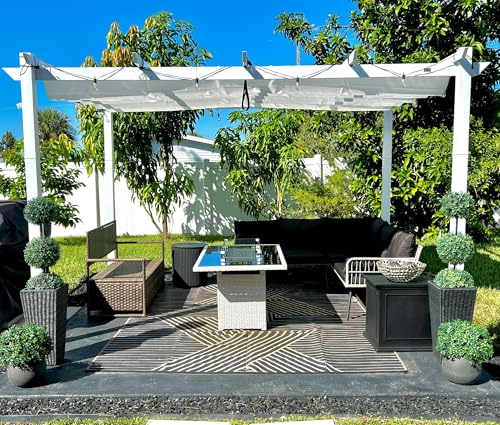
Enhanced Extra Protection Roof: The PURPLE LEAF aluminum pergola features a sloped roof design that protects the retractable canopy from rain and harmful UV rays. while effectively reducing water accumulation, providing you with an enjoyable outdoor experience.

DURABLE MATERIAL- Our Coarbor material is made with high-density polyethylene material that allows light in while providing privacy if needed. This material is not waterproof.

【𝐒𝗨𝗣𝗘𝗥 𝗛𝗘𝗔𝗩𝗬 𝗗𝗨𝗧𝗬 𝗡𝗘𝗪 𝗣𝗔𝗧𝗘𝗡𝗧 𝗗𝗘𝗦𝗜𝗚𝗡】: Made of 260 GSM permeable extra heavy duty fabric, heavy duty stainless mounting rings, cable wires built-in edges, integrate into the mounting rings, all pulling strength goes to the cable wires, not only making the edges more durable, it also enhence the appearance of shade sail.
Comparing UPF and SPF: What Shade Fabrics Protect Against

Compare UPF and SPF by focusing on what each measure protects against and how that applies to shade fabrics. UPF measures UV transmission through fabric, indicating protection against both UVA and UVB, while SPF, the sun protection factor, rates sunscreen effectiveness against UVB only. A UPF 50 fabric blocks about 98% of UV radiation, letting 2% through. SPF 30 sunscreen blocks about 97% of UVB on exposed skin, but offers no fabric barrier. For outdoor shade fabrics, UPF ratings from 10 to 50+ guide selection for sun safety. Combining UPF-rated textiles or UV protective clothing with high SPF on exposed skin improves overall protection against the sun. Consider reflected and scattered rays, which fabrics only partially reduce. When choosing outdoor fabrics, weather resistance levels are important for performance in varied climates, ensuring the material maintains its protective qualities.
Recommended Products

【All-Weather Fortress: Steel Frame & Industrial-Grade Fabric】 Rust-resistant steel frame supports a static load of 30kg per crossbeam, delivering rock-solid stability for demanding events. The 180g PE top cover withstands 600mm hydrostatic pressure, keeping interiors bone-dry in torrential rain. Certified UPF 50+ for superior sun protection, the tear-resistant fabric boasts a strength rating of ≥50 lbf, ensuring this shelter endures years of intense use.

Eurmax Canopy is the most trusted & best selling pop up canopy brand based in the USA. We stock all kinds of accessories and parts for the products we are selling and if you have anything about our products, we are ready to help you.

Choose American, Choose Certainty. Eurmax Canopy is North America’s #1 factory store. Unlike overseas sellers, we stock all replacement parts in the US. Order today for a canopy that's built to last and fully supported.
Standards and Testing Protocols for Textile UV Protection

Although laboratory standards can seem technical, they come to the rescue by giving clear rules for measuring textile UV protection. Testing follows international standards such as AS/NZS 4399 and UV Standard 801, which define procedures to assess UV radiation transmission through fabrics. Labs measure how much UV light fabrics block or allow, and assign UPF ratings accordingly. UPF 50+ means fewer than 2% of UV rays penetrate, indicating maximum protection. Protocols simulate wear conditions like humidity, stretching, and sunlight exposure to reflect real-world performance. Accredited certifications, for example Hohenstein Quality Labels, confirm compliance with testing protocols and standards. Manufacturers use standardized methods so consumers can compare protective fabrics and choose reliable sun protection confidently. For example, lawn edgers often have adjustable cutting depth to cater to different grass types and achieve professional-looking edges, demonstrating how customizable features enhance product utility.
Designing Shade Structures for Maximum UV Reduction
A well-designed shade structure begins with the right fabric choice and placement. Use tightly woven, UV-inhibiting fabrics rated above UPF 30, which block most UV radiation and provide reliable UV protection for people and materials. Select synthetic fibers like polyester or solution-dyed acrylic for durability and measured UV-blocking capabilities, with fabric densities around 200–400 g/m² advised for heavy-duty covers. Prefer darker colors and brighter pigments, as they absorb and reduce UV radiation more effectively. Combine man-made canopies with natural shade from trees to increase protection. Consider strategically positioning panels to shadow peak sun hours, typically 10:00–16:00, and orient structures to the sun’s path for maximum coverage. Schedule routine maintenance checks to preserve performance. For effective sun protection in outdoor areas, HDPE material is recommended as it offers resistance to UV degradation and can block up to 98% of harmful UV rays, as seen in products like the LOVE STORY Waterproof Rectangular Sand Sun Shade Sail.
Recommended Products
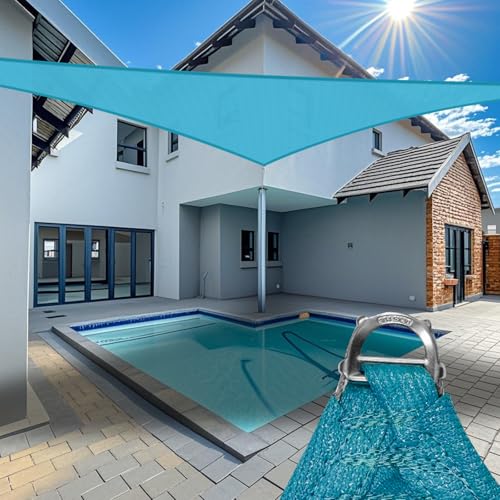
Reinforced Cable-Edge Design - Built for maximum durability, our sunshade features a full-perimeter cable wire system (not just at the corners), ensuring even tension, long-term shape retention, and superior edge strength

BASE INCLUDED: This 10X13 FT Patio umbrella with base included.Umbrella base weight set can weigh as much as 330 lbs.(Square 38.9x38.9x8 inch)
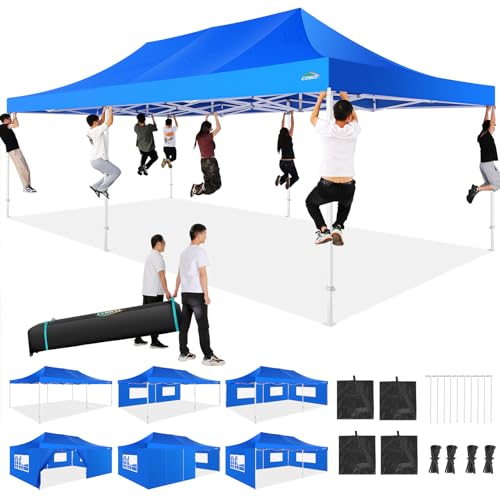
[Larger Dimension] This 13x26 party tent is rare in the market, which can provide 344.5ft²(larger than canopy 10x20 and 10x30 canopy tent), and can also accommodate over 20 people. It’s perfect for wedding, party, camping, gathering and etc
Maintenance, Wear, and How UPF Changes Over Time
When exposed to sun, moisture, and abrasion over months or years, UPF performance will gradually decline if not cared for. Regular maintenance matters. Inspect fabrics every 3–6 months for fading, thinning, or small holes that indicate fabric wear and reduced UPF ratings. Follow washing instructions on labels, use mild detergent, cold water, and avoid fabric softeners to preserve protective properties, which come to the rescue. Dry in shade or low heat; store in a cool, dry place away from UV radiation. Expect measurable reduction: lab tests show 10–30% drop in UPF after 1–3 years under heavy use. Plan for replacement when UPF falls below desired sun protection, or when inspection finds damage compromising coverage. Consider durable polyester shade sails with a high GSM rating for improved longevity and UV protection, as these offer a balance of durability, breathability, and sun protection.
Choosing the Right Fabric for Different Climates and Activities
Outdoor fabric choice depends primarily on climate and activity. Choose tightly woven polyester or nylon for humid climates, aiming for UPF ratings of 40–50+ to guarantee durable UV protection and long service life. For water activities select lightweight, quick-drying nylon or polyester with UPF above 30, fabrics that resist fading and keep protection when wet. At high altitude prefer UPF 50+ materials to block intensified harmful rays, dark or bright colors improve protection versus pale shades. In extreme heat opt for breathable fabrics like tightly woven organic cotton, moisture-wicking properties help comfort, expect UPF 30–50 depending on weave. When installing shade sails, ensure they are at an optimal height of 8 to 10 feet above ground to maximize shade coverage and reduce wind resistance. Match fabric weight, weave density, and color to the specific climate and activities for reliable outdoor shade fabrics performance.
Innovations and Treatments That Boost Textile UPF
Frequently, manufacturers apply advanced UV-blocking coatings that boost a fabric’s UPF without adding bulk or changing hand feel. Innovations include microscopic metal oxides and organic absorbers that raise UPF ratings to 50+, blocking about 98% of UV radiation, for clear sun protection. Textile treatments also add reflective properties, which send UV rays away from the skin, improving protective capabilities in harsh light. Moisture-wicking finishes come to the rescue in wet conditions, maintaining UPF performance during water exposure or heavy sweating. Advanced textile manufacturing produces tightly woven fabrics with thread counts and construction specified to limit UV passage. Research now targets eco-friendly chemistries that reduce environmental impact while preserving durability, wash-fastness, and quantified UPF after 50 home launderings.
Practical Tips for Combining Shade Fabrics With Other Sun Protection
After manufacturers boost fabric UPF with coatings and tight weaves, combining those fabrics with other sun-safety measures makes protection more reliable. Use fabrics rated UPF 30 or higher for outdoor structures like umbrellas and canopies. Darker colors increase UV absorption, improving coverage by up to 50% compared with light shades. Position shade to block midday sun between 10 a.m. and 4 p.m., with overlaps of panels for full coverage. Add UPF-rated clothing as a second layer, for example shirts rated UPF 50 and broad-brim hats. Apply broad-spectrum sunscreen SPF 30+ to exposed skin, reapply every two hours. Inspect and perform maintenance every 6–12 months, replace worn panels when weave loosens. For optimal sun protection, permeable shade sails block up to 95% of UV rays while allowing airflow and preventing heat buildup. Combine measures systematically for reliable sun protection.
Frequently Asked Questions
What Is the UPF Rating of Fabrics?
UPF ratings typically range from 15 to 50+, indicating increasing UV protection. The detached observer notes UPF standards explanation, UV radiation effects, Fabric testing methods, Outdoor clothing protection, Shade structure materials, UV blocking technologies, Color impact on UPF, Care for UPF fabrics, Layering techniques, Choosing sun hats.
What UPF Rating Is Considered Good?
A UPF rating of 30 or higher is considered good. The detached observer notes UPF benefits, dispels UPF myths while comparing UPF fabrics, linking UV radiation, outdoor activities, sun exposure, skin protection, fabric types, and choosing shades.
What Fabric Has the Best UV Protection?
Like a fortress of shadow, polyester offers the best UV protection: UV resistant materials deliver top sun protection efficacy. Comparative fabric analysis cites fabric durability factors, outdoor lifestyle considerations, breathability vs. protection, color impact on UPF, fabric care techniques.
What Is the Best Material for Outdoor Shades?
Polyester benefits make it the best material for outdoor shades: Canvas durability and Acrylic longevity offer alternatives; Natural fibers trade breathability factor for softer feel. Weave tightness, Color impact, UV blocking, Water resistance, Maintenance tips matter.


