As an Amazon Associate, we earn from qualifying purchases. Some links on this site are affiliate links at no extra cost to you. Our recommendations are based on thorough research and editorial judgment.


Deadheading Flowers: How and When to Remove Spent Blooms

Deadheading removes spent flowers to encourage more blooms and prevent seed set. Use clean shears or fingers, cutting 1–2 cm above a healthy leaf node, or 1–2 inches for thicker stems like tall sedum. Do this mainly from spring into early summer, with weekly checks during peak bloom, avoiding heavy cutting late in the season. Annuals such as zinnias benefit most, while self-seeders like poppies may be left. Continue for step-by-step tips and plant-specific timing.
Key Takeaways
- Remove spent blooms promptly from spring through early summer to encourage more flowers and redirect plant energy to new growth.
- Cut 1–2 cm above the nearest healthy leaf node or bud using clean fingers for thin stems or sharp shears for thicker stems.
- Frequency varies by plant: check daily for fast-blooming annuals, weekly for many perennials, and bi-weekly for slower growers.
- Avoid heavy deadheading in late summer or fall to let plants build energy for winter dormancy and survival.
- Leave seed heads on self-seeders (like poppies or digitalis) when you want natural reseeding and increased garden biodiversity.
What Deadheading Is and Why It Matters
You may be interested



Deadheading is the practice of removing spent flowers to encourage more blooms and healthier growth. It explains how to remove spent flowers from flowering plants to redirect energy toward roots and new shoots. Deadheading encourages more blooms by stopping seed formation, which frees resources for additional flowering and stronger vegetative growth. Timing matters; perform this task in spring to early summer for best results, with occasional midseason touch-ups. Use clean shears or fingers to snip stems 1–2 cm above the nearest healthy leaf node, removing faded flowers without damaging new buds. Many perennials, such as Achillea and Monarda, respond well, while self-seeding species like Columbae may be left to set seed for natural propagation. For frequent deadheading tasks, consider using ultra-sharp pruning shears like the VIVOSUN 6.5 Inch Gardening Pruning Shears, which are designed to minimize hand strain.
Deadheading Vs Pruning: Key Differences

Distinguish between removing spent blooms and cutting back stems to understand when each task is needed. Deadheading plants targets a dead flower or faded bloom, removed with a pinch or small pruning snips about 1–2 cm above a healthy leaf node. It encourages continuous flowering, prompting new buds within one to three weeks under good conditions. Pruning is broader. It cuts back flowering stems or larger branches, often 5–20 cm depending on species, to shape the plant and improve long-term health. Deadheading is quick, focused on flower production, while pruning may require loppers and time, altering structure and light penetration. Both help plants, but choose deadheading for repeat blooms and pruning for structural renewal, pest control, or size management. When selecting tools for these tasks, consider using ergonomic design shears to reduce fatigue and maintain comfort during extended use.
Recommended Products
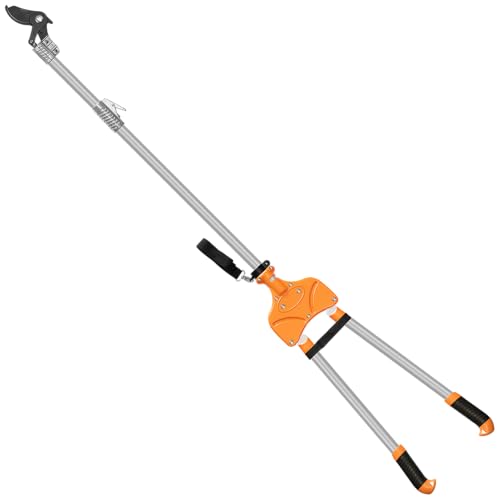
96-INCH TELESCOPIC REACH: Trim branches, suckers, and new growth on tall trees, hedges, and overgrown shrubs, all without a ladder.

At full capacity, this battery will last a full 12 hours and will complete more than 15, 000 cuts on 1. 5-inch/35mm branches. This pruner is super light weighing in at 1. 9-pounds/0. 9kg

Brand name: Zenport
When to Deadhead for Best Results

Having covered how deadheading differs from pruning, attention turns next to timing for the best results. Spring to early summer is ideal for deadheading, a period when flowers respond with vigorous new growth and extended flowering. Check plants regularly during the bloom season. Remove spent blooms and faded flowers promptly, cutting 1–2 cm above the first healthy leaf or bud, which encourages more blooms. Some plants need daily attention; others suit weekly or bi-weekly checks depending on bloom rate. Avoid heavy deadheading in late summer or fall, when shortening days and cooler temperatures limit new growth and reduce effectiveness. Consistent deadheading throughout the growing season improves plant vigor, prolongs flowering, and helps conserve energy for next year. When maintaining garden markings, durable and tear-resistant tapes ensure safe and clear pathways for efficient gardening practices.
Recommended Products

Great garden shears for serious gardeners. This is a heavy, high quality pruning shear you’ll be proud to own or gift. These garden pruners are a classic design and feel expensive. Every gardener needs this pruner, but most gardeners don’t have one.

BLACK PREMIUM DESIGN Noble special edition with black chrome-plated blade and anodized handles for style, strength, and durability

HARDENED STAINLESS STEEL BLADES: Designed with straight sharp blades for precision snips and cuts, these gardening scissors are great for pruning fruit trees, bonsai, and thorny bushes. Pruning shears are durable, sharp, and come with an easy safety lock for storage.
How to Deadhead: Tools and Techniques

Start with clean tools and a clear plan before removing spent flowers. Use fingers and thumb to pinch off faded blooms on short stems, trimming above the first leaf beneath the flower to encourage new growth. For thicker stems, use sharp pruning shears, cutting just above the next bud or leaf to avoid dieback. Remove flower heads promptly before seeds form to redirect energy into blooms. Long flower stalks may be cut close to the ground, taking care not to damage healthy leaves around the base. Regularly evaluate plants; some need daily checks, others bi-weekly attention depending on timing in the garden. With shrubs like butterfly bush, remove dried clusters to promote bud development and maintain overall plant health. Pruning shears with a comfortable grip and sharp blades are essential for efficient and precise deadheading tasks.
Recommended Products

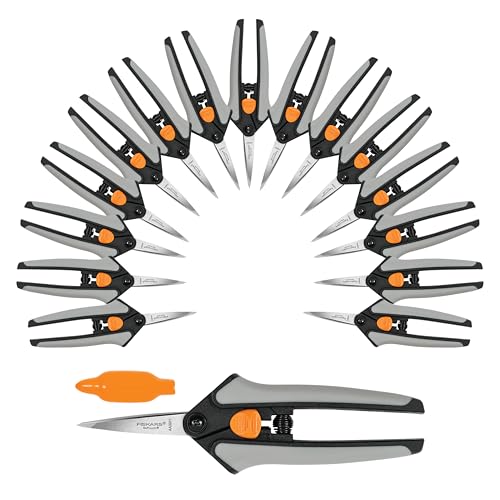
CONTENTS Comes with 30 Knob Cutters

Precision Plant Care for Professionals and Enthusiasts: These gardening shears are perfect for trimming herbs & flowers; Their compact, fine-tipped, rust-resistant high-carbon steel blades offer precise cutting in tight spaces, making them ideal for daily use in gardens, pots, and on delicate stems; Available in a convenient 12-pack - ideal for florists, landscapers, and nurseries who require multiple shears for continuous, high-volume trimming

CUTCO Forever Guarantee provides for free sharpening and replacement forever.
Which Plants Benefit Most From Deadheading
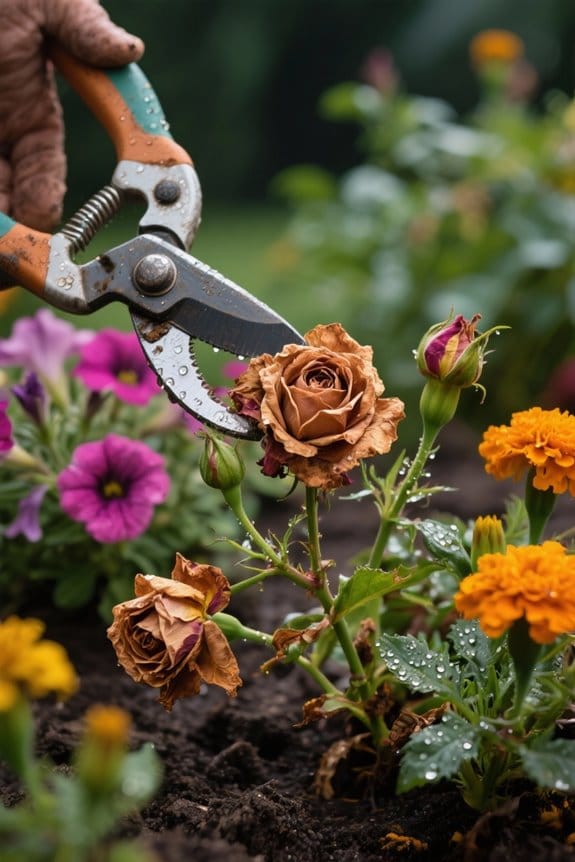
Which garden plants respond best to routine deadheading, and why does it matter for bloom production? Perennials like Achillea and Delphinium benefit most, as removing spent flower heads redirects energy to new blooms. Geranium (Cranesbill) and Monarda respond well to regular deadhead, promoting additional flowering throughout the season. Coreopsis thrives after deadheading, producing a more vibrant display. Taller Sedum varieties, such as Autumn Joy, need cutting back to about one-third height to encourage compact growth and fresh blossoms. Annuals like zinnias and Rudbeckia rely on deadheading to prevent seed set and extend bloom time. Deadheading means snipping faded stems 1–2 inches below spent flowers, using clean shears, to reduce disease and benefit plants by concentrating resources on bud formation. When deadheading, ergonomic handle designs on pruning shears can reduce hand fatigue, making the task more comfortable and efficient over extended periods.
Recommended Products

Powerful, cordless convenience: designed to deliver dependable performance
Precise Pruning Tools – Designed for deadheading, trimming, and shaping small plants, ensuring clean, healthy cuts every time

Plants That Don’t Need Deadheading or Are Self-Cleaning
When gardeners choose self-cleaning varieties, routine deadheading becomes optional rather than mandatory. Supertunia petunias and certain Calibrachoa, for example, shed spent blooms naturally, reducing weekly maintenance tasks. Modern perennials like bluestar (Amsonia) and some coreopsis cultivars were bred to drop old flowers, which minimizes time spent on pruning. Knockout roses are engineered for continuous blooming, needing only occasional removal of diseased flower stems. Creeping thyme groundcover also comes to the rescue, keeping beds tidy without frequent intervention. Deadheading can still improve appearance and vigor, though. If desired, remove faded blooms by pinching 1–2 cm below the corolla, or cut flower stems at a 45° angle using clean shears, every 4–6 weeks for best results. When planning garden lighting, consider using waterproof rated fairy lights to enhance outdoor spaces without compromising safety and durability.
Seasonal Considerations and Wildlife Benefits
Plan deadheading around the seasons to balance bloom production and wildlife needs. Stop removing spent blooms for some species by early September, to allow seeds to form and provide food when insects and berries decline. Deadheading during active growth encourages more flowers, typically every 1–2 weeks using clean shears cut 1–2 cm above a leaf node. Leave dried heads of Echinacea or similar plants through winter, since they feed birds when other resources are scarce. Consider Shasta Daisy as an exception; allow some plants to go to seed for natural propagation and ecosystem support. Monitor seasonal needs, reducing deadheading as temperatures fall below 10°C, and note when flowers lose their attraction to pollinators. Balance tidiness with wildlife benefits. Incorporating manual tools like a Stirrup Hoe can aid in maintaining flower beds while minimizing disturbance to surrounding plants during the deadheading process.
Troubleshooting Common Deadheading Mistakes
After considering seasonal pauses and wildlife needs, gardeners often face simple deadheading errors that reduce effectiveness. Cut heads and stems correctly. Remove the whole stem 1–2 cm below the spent bloom to stop seed set, not just pinch petals off, which leaves seed formation possible. Check plants weekly during peak bloom, with tools like 15–20 cm pruning snips for precision, to avoid decline in flowering. Time matters; stop deadheading late in summer or fall when days shorten and temperatures drop, since plants lack energy for new blooms. Know species: leave fading flowers on self-seeders like digitalis and poppies to support natural cycles. Regular inspection and correct cutting technique come to the rescue, restoring vigor and prolonging blooms. Consider using LED grow lights to extend daylight hours during shorter days, promoting healthier and more prolonged bloom cycles.
Frequently Asked Questions
How to Deadhead Spent Blooms?
Pinch or cut spent blooms just below the flower or above the first leaf; benefits of deadheading include prolonged flowering and improved plant health. Use best tools, follow frequency guidelines, consider flower types, seasonal tips and soil care.
What Are Common Deadheading Mistakes?
Common deadheading errors include timing deadheading mistakes and incomplete petal removal techniques that harm flower growth impact; improper pruning shears usage, ignoring season specific guidelines, and overlooking plant health considerations reduce blooms and risk disease or poor recovery.
Where to Cut Flowers When Deadheading?
Cut just below the spent bloom for short stems or near the base for long stalks; employ cutting techniques with best tools, heed timing tips, consider flower types, seasonal considerations, growth benefits, and pruning differences.
How Much Do You Cut When Deadheading?
“Prune early, prune often.” He trims just below the spent bloom—shallow for short stems, deeper toward the base for long ones. Timing considerations, cutting depth, tool selection, frequency of deadheading, specific plant needs, signs of rejuvenation, seasonal adjustments.


