As an Amazon Associate, we earn from qualifying purchases. Some links on this site are affiliate links at no extra cost to you. Our recommendations are based on thorough research and editorial judgment.


Edging Vs Trimming: Understanding the Two Different Tasks

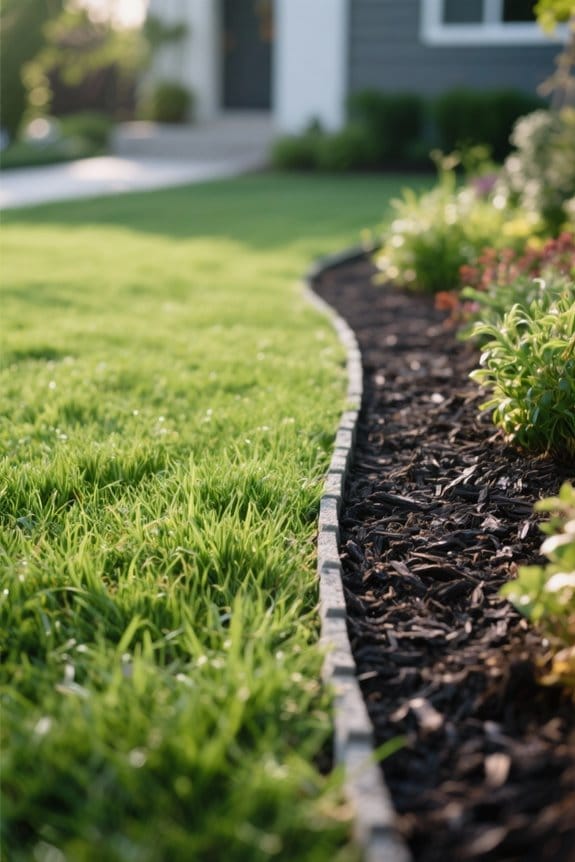
Edging makes crisp vertical borders 1.5–3 inches deep along walkways and beds. It uses rigid blades or powered edgers to stop grass encroachment, prevent root crossover, and define hardscape lines. Trimming targets horizontal grass and weeds in tight spots with a nylon string trimmer spinning 6,000–10,000 RPM, done every 7–14 days during rapid growth. Edging is less frequent and more precise. Learn practical tool choices, cutting heights, and timing to improve lawn care outcomes.
Key Takeaways
- Trimming uses a flexible nylon string to cut horizontal grass and weeds in areas mowers can’t reach.
- Edging uses rigid blades to create crisp, vertical boundaries between lawn and hardscape.
- Trim weekly to biweekly during rapid growth; edge every 2–6 weeks depending on growth and season.
- Trimming prevents scalping by keeping a 2–3 inch radius from stems; edging cuts 1.5–3 inches deep to block root crossover.
- Use trimming after mowing for missed patches; edge more deliberately with steady, 90-degree cuts and proper safety gear.
What Lawn Trimming Is and When to Do It
You may be interested


A string trimmer, sometimes called a weed-eater, is the tool that comes to the rescue for grass and weeds in tight spots. Lawn trimming targets areas a mower cannot reach, such as around trees, fences, and sidewalk edges, using a rotating nylon line. Regular trimming every 7–14 days is advised during rapid growth, keeping grass at recommended heights of 2–3 inches for cool-season lawns and 1.5–2.5 inches for warm-season varieties. Use a string trimmer with 0.080–0.095 inch line for residential tasks, and maintain a 2–3 inch cutting radius from stems to avoid scalping. Trim after mowing to clean missed patches, use sweeping passes, and avoid cutting lower than advised to prevent pest and disease susceptibility. Consider using a cordless string trimmer to enhance portability and ease of use during lawn trimming tasks.
Recommended Products

AFT (Active Feedback sensing technology) stops the engine when blocking the tool

Power equivalent to a 30cc gas brush cutter

BL Brushless motor delivers up to 7,100 RPM for faster cutting, 3-speed options (Low: 4,200 RPM, Medium: 6,000 High: 7,100 RPM) for power management, and variable speed trigger switch
What Lawn Edging Is and When to Do It

Clean lines define the edge between lawn and hardscape. Lawn edging creates vertical cuts that separate grass from driveways, sidewalks, and beds, typically 1.5–3 inches deep to prevent root crossover. It is done less often than trimming, usually every 2–6 weeks depending on growth rate and season. Proper technique produces crisp, defined borders, improving curb appeal and reducing maintenance. Use steady motion, maintain a 90-degree cut angle where possible, and remove a 1–2 inch strip of sod for durability. Safety matters; wear protective gear such as eye protection and closed-toe shoes to prevent injury from debris. When executed correctly, edging comes to the rescue by keeping grass confined and making subsequent mowing and trimming easier. Consider adjustable cutting depths when selecting a lawn edger to ensure it meets your yard’s specific needs and provides precision in maintaining clean and professional-looking edges.
Recommended Products

Compatible with all 13 for Milwaukee. attachments, making the most capable attachment system on the market Part of the M18 System, featuring over 275+ tools Reaches full throttle in under 1 second, providing unmatched responsiveness and productivity Balanced design optimized to increase control and reduce user fatigue 3-speed settings and variable speed trigger for increased control

Includes the Power Head (PH1400), 15” String Trimmer Attachment (STA1500), 8” Edger Attachment (EA0800), 56V 5.0Ah battery, and Standard Charger.Chain Gauge : 0.043" (1.1mm)

Husqvarna 525ECS gas edger is a lawn care equipment tool that is ideal for professional turf maintenance work
Tools and Equipment for Trimming and Edging

Tools matter when preparing to trim or edge a lawn; choosing the right ones speeds work and improves results. String trimmers are common trimming tools. They can be corded, cordless, gas-powered, or battery-operated, with shaft lengths typically 30–60 inches and cutting speeds 6,000–10,000 RPM for effective grass severing. For sharp boundary definition, powered edging tools come to the rescue. These edgers use blades 4–7 inches in diameter or vertical discs, offering clean cuts 1–4 inches deep along borders. Manual alternatives include half-moon or rotary edgers, ideal for tight spots and small gardens. Regular maintenance is required: clean heads, sharpen blades to factory angles, and check batteries or fuel lines. Always wear safety gear—eye protection, closed-toe shoes, and long pants—to prevent injury. Gas-powered edgers may be heavier and require maintenance, but they are effective for tough overgrowth.
Recommended Products
Stens replacement parts have become a favorite among lawn and landscape professionals thanks to exceptional performance.

This will be shipped in two different boxes and may arrive at different times

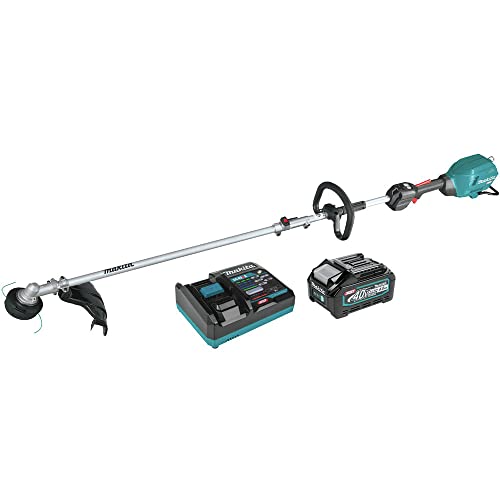
Makita-built Outer Rotor BL Brushless Motor direct-drive system provides high power and increased torque
Key Differences: Purpose, Technique, and Frequency

Moving from equipment choices to how and when to use them, the differences between edging and trimming become clear. Edging creates crisp, vertical boundaries between grass and hard surfaces, typically cutting to a depth of 1–3 inches for definition. Trimming targets horizontal grass and weeds in tight spots, using flexible nylon strings or small blades to follow uneven terrain. Edging uses rigid, sharp blades for straight cuts along driveways and beds. Trimming uses a rotating string head to reach under shrubs and around posts. Edging is done less often, usually after major lawn work or monthly in active seasons. Trimming is performed more frequently, often every week or two during rapid growth, keeping perimeters tidy in routine lawn care. For effective weeding, ergonomic features in gardening tools can significantly reduce physical strain and enhance user comfort.
Common Mistakes to Avoid During Trimming and Edging

A clear routine prevents many common trimming and edging mistakes. Use correct tools, for example a 0.080–0.095 inch trimmer line or a 7–10 inch blade edger, not a mower for edges. Professionals offering trimming services recommend weekly or biweekly minor cuts, to avoid excessive growth. Avoid neglecting either trimming or edging, since overgrowth and blurred borders make the yard look unfinished. Do not rush the job. Rushed passes create uneven cuts and damaged crowns on plants. Maintain trimming and edging tools, sharpen blades to a visible burr-free edge, and set string length per manufacturer specs. Regular care reduces time needed later, often halving effort compared with neglected lawns, and comes to the rescue when deadlines approach. One essential aspect of lawn care is considering lightweight and maneuverability features which can significantly enhance ease of use and reduce operator fatigue.
How to Decide Between Trimming and Edging for Your Yard
Having a regular care routine reduces common mistakes and makes choice easier. Assess yard layout first. Large, open lawns benefit from edging to define 4–6 inch borders, while small or cluttered areas need trimming around obstacles every 7–14 days. Consider aesthetic goals next. If crisp, 1–2 inch clean lines are desired, edging services or a manual edger come to the rescue, whereas lawn trimming and edging together maintain uniform 2.5–3.5 inch grass height for health. Evaluate time and cost. Edging tools cost more upfront but require work every 3–6 weeks; string trimmers cost less but need weekly use. Combine methods for polished landscaping. Choose based on layout, maintenance capacity, and the desired overall appearance. Additionally, selecting heavy duty edgers with ergonomic designs can improve user comfort and efficiency during lawn projects.
Recommended Products

【Power】SBE50 adopts recoil starting DUCAR 270cc 9HP 4-stroke single cylinder air-cooled OHV gasoline engine. This is a reliable, high-performing engine, provide long-term and efficient work. Engine can be easily removed for storage and transportation.

Push Mower: 20" heavy-duty steel deck provides the ultimate durability, 7-position single-lever height adjustment. Up To 45 Minutes Run-Time With 2 Fully Charged 4Ah USB Batteries. Run-Time Varies Based on Grass Condition and Operator Technique.

Powerful brushless motor
Professional Services and Maintenance Tips
When homeowners prefer a crisp finish, hiring a professional lawn crew comes to the rescue. Professionals provide professional services that improve curb appeal and plant health. They recommend trimming about every 7–14 days, and regular edging every 2–4 weeks for clean borders and containment. Crews use mechanized edgers with 3–4 inch cutting widths and 2.5–3.5 horsepower engines, plus 0.095–0.105 inch line string trimmers for dense growth. Regular visits prevent repair needs and improve air and sunlight penetration to roots. Lawn care specialists assess soil, slope, and species, then tailor mowing heights and edge depths, typically 1–2 inches for flower beds. For best results, schedule seasonal cleanups, inspect blades monthly, and follow specialists’ maintenance plans. Consider using ergonomic features in gardening tools to reduce physical strain during lawn care tasks.
Recommended Products

Wire-Free Robotic Lawn Mower with LiDAR Navigation - GOAT A2000 LiDAR PRO is a wire-free robotic lawn mower that requires no perimeter wire or RTK antenna. The HoloScope 360° Dual-LiDAR system automatically maps your yard and delivers precise 2 cm positioning — even under trees, near fences, or in shaded areas where GPS mowers lose signal.

🔧 Fits Multiple Models & Brands – Compatible with Ryobi 613223, Echo 720-237-001, Stihl 4133-713-4101, Maruyama 216062, and Green Machine 237001, this eco edger blade ensures a perfect fit for a wide range of edger tools.

Wireless, RTK-Free Setup — AI-Assisted Auto-Mapping with 360° 3D LiDAR: With AI vision and 360° 3D LiDAR, LiDAX Ultra 1000 mower auto-maps your yard in 3D with centimeter accuracy—no wires or RTK stations needed, even in complex layouts, under dim or harsh light. Power on and mow anywhere with ease.
Frequently Asked Questions
What Is the Difference Between Edging and Trimming?
Like a sculptor versus a gardener, he notes edging creates vertical borders with blade edgers while trimming uses string trimmers for horizontal cuts; lawn maintenance techniques, landscaping tools comparison, and yard care essentials highlight distinct purposes and schedules.
What Are Common Mistakes When Edging?
Common edging mistakes include cutting too close to plants, creating uneven surfaces, and tool selection mistakes like using inappropriate blades or edging through plastic. Other errors: poor area prep, rushing, and neglecting safety gear, causing damage and hazards.
What Does Trimming Mean in Landscaping?
Like a gardener pruning stray threads, trimming in landscaping means cutting grass and weeds in tight spots to support landscape maintenance, plant care, and lawn aesthetics, preventing overgrowth while preserving turf health and uniform appearance.
What Does Edging Mean in Lawn Care?
Edging in lawn care creates a precise lawn edge along garden borders, using tools to form vertical cuts that define landscape definition, prevent grass encroachment, improve aesthetics, simplify mowing, and require appropriate safety precautions.