As an Amazon Associate, we earn from qualifying purchases. Some links on this site are affiliate links at no extra cost to you. Our recommendations are based on thorough research and editorial judgment.


How to Edge a Lawn Like a Professional Landscaper

A professional edge starts with mowing to 2–3 inches and marking a line with a hose for straightness. Use a manual edger with a 6–8 inch blade for crisp borders, or a 6–10 inch power edger for long runs to save time and effort. Cut a 2–3 inch trench about 2–3 inches deep, keep steady motion, and clean soil from the cut. Finish by removing clippings and sharpening blades, and continue for tips ahead.
Key Takeaways
- Mow to a controlled height (2–3 inches) and mark the edge line with a hose or landscape tape for straight, repeatable cuts.
- Use a manual stick edger or power edger to cut a 2–4 inch wide trench, 2–3 inches deep, for a crisp profile.
- Keep the edger steady, arms straight, and core engaged; move at a consistent pace for even, clean edges.
- Use a vertical string trimmer or edging shears for tight spots and touch-ups around beds, sidewalks, and obstacles.
- Edge every 2–4 weeks during peak growth, moisten turf beforehand, and sharpen blades regularly for best results.
Why Edging Transforms Your Lawn’s Curb Appeal
You may be interested


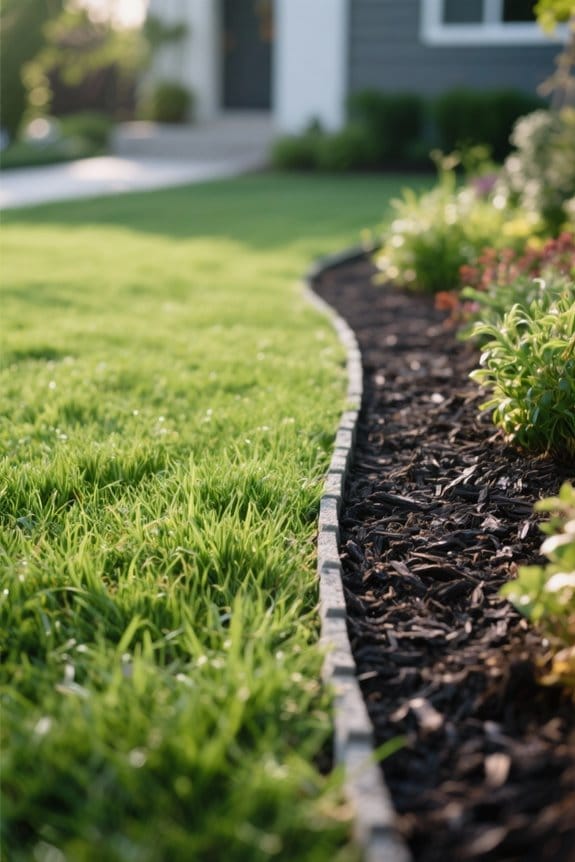
When a crisp edge is cut between turf and planting beds, the whole yard reads as intentional and maintained. Edging defines a clear boundary that prevents grass and weeds from invading flower beds, preserving plant health and reducing maintenance time. Regular edging, done along a 2–4 inch trench that is 2–3 inches deep, creates a uniform profile, promoting even lawn surface and better water absorption. This precise line guides the eye across the landscape and strengthens curb appeal by highlighting shape and layout. Consistent lawn care with seasonal edging can raise property value, showing attention to detail for buyers. Neighborhood aesthetics improve when multiple properties adopt neat edges, encouraging community pride and practical upkeep. For long-lasting durability and clean lines, consider using a heavy-duty duct tape to mark boundaries temporarily as you edge your lawn.
Tools You Need for a Professional Edge

Tools matter for a professional edge. A manual stick edger with a metal blade and adjustable wheels offers precise, clean edges, ideal for tight curves and straight beds. Power edgers come next. Models with dual rotating blades, 6–10 inches wide, cover larger areas quickly and reduce fatigue. String trimmers serve for trimming around obstacles, not defining sharp borders, and use 0.080–0.095 inch line for control. Edging shears, hand-held with 18–24 inch handles, perform detailed touch-ups along flowerbeds and pathways. Safety matters; wear safety glasses and gloves to protect from flying debris and metal shards. For consistent lawn edging, choose tools by area size, desired finish, and access, then maintain blades sharpness at 45° for cleaner cuts. Consider battery capacity when choosing cordless tools to ensure longer runtimes for larger areas.
Step-by-Step Edging: From Mowing to Cleanup

After choosing and caring for the right edgers, the actual edging process begins with mowing to a controlled height. Mow to remove no more than one-third of blade length, typically 2–3 inches for cool-season turf. Mark the edging line with a hose or tape for straight, repeatable results. Put on gloves, safety glasses, and a mask before cutting to reduce injury and allergies. Engage the core, keep arms straight, and move the edger steadily along the marked line for best results. For vertical string-trimmer work, rotate the head to vertical to cut cleanly. Collect clippings and removing branches or debris from the swath before finishing. Clean tools with a stiff brush, inspect blades, and store properly. Lawn edgers are essential for maintaining clean edges in your yard, providing a polished and professional look.
Recommended Products

Wire-Free Robotic Lawn Mower with LiDAR Navigation - GOAT A2000 LiDAR PRO is a wire-free robotic lawn mower that requires no perimeter wire or RTK antenna. The HoloScope 360° Dual-LiDAR system automatically maps your yard and delivers precise 2 cm positioning — even under trees, near fences, or in shaded areas where GPS mowers lose signal.
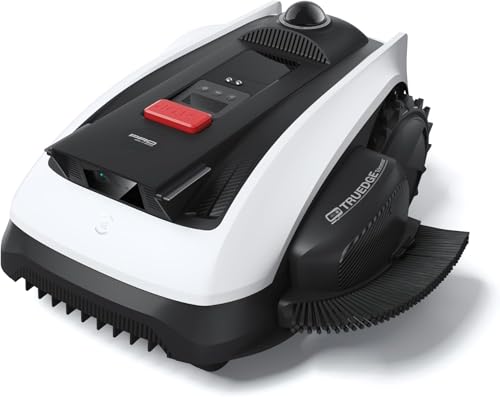
Wire-Free Robotic Lawn Mower with LiDAR Navigation - GOAT O1000 LiDAR PRO is a wire-free robotic lawn mower that requires no perimeter wire or RTK antenna. The HoloScope 360° Dual-LiDAR system automatically maps your yard and delivers precise 2 cm positioning — even under trees, near fences, or in shaded areas where GPS mowers lose signal.

Gas-like Performance – 3X quieter than gas with zero fumes, no pull cords! The brushless motor delivers max torque & longer life for tough grass & thick debris.
Edging Techniques: String Trimmer Vs Manual Edger

A few simple choices determine whether a string trimmer or a manual edger is the better fit for a job. A string trimmer excels at quick work around obstacles like trees and mailboxes, it uses nylon line spinning at high RPM to slice grass but leaves a soft boundary. Manual edger delivers sharp, defined edges; a stick edger with a 6–8 inch metal blade and wheels cuts a clean trench about 1–2 inches deep and 2–3 inches wide. When edging with a string trimmer, flip the head vertical, move slowly, and hold the line 1–2 inches from the desired edge to avoid over-trimming. Professionals choose manual edgers for precise curved lines along flower beds and consistent, crisp borders. For a magical backyard transformation, consider using outdoor fairy lights to enhance the ambiance after completing your lawn edging tasks.
Recommended Products

✅【Sell as pic shown 】:multi 6 in 1 tool. It can convert to different tools easily with different head and a quick release connector. makes it pole saw, Hedge trimmer, Weed eater and Brush cutter,,making it suitable for different places

Echo: 69601552631, 69601552632, 720237001 Husq: 578392802, 601002454

𝟕𝟎𝟎𝐖 𝐁𝐫𝐮𝐬𝐡𝐥𝐞𝐬𝐬 𝐏𝐨𝐰𝐞𝐫 𝐟𝐨𝐫 𝐓𝐡𝐢𝐜𝐤 𝐖𝐞𝐞𝐝𝐬 𝐚𝐧𝐝 𝐋𝐢𝐠𝐡𝐭 𝐁𝐫𝐮𝐬𝐡:The Oxtravyn cordless weed wacker uses a 700W motor with up to 15,000 RPM to cut grass, stubborn weeds, reeds, ivy, crabgrass, dandelions, and light woody brush. 3 blade types are included: plastic blades, stainless steel hex blades, alloy saw blade, and nylon trimmer line.
Seasonal Maintenance to Keep Edges Crisp

Several simple habits keep lawn edges sharp through changing seasons. Edge after mowing every 2–4 weeks during active growth, when grass growing rates peak in spring and summer. Moistening turf first reduces dust, aids the blade, and improves cut quality. Use a stick edger or powered model to redefine profiles after heavy rain or significant growth, creating a 1–2 inch trench for a clear barrier between lawn and bed. Reduce frequency in fall as growth slows to once per month. Remove clippings and soil immediately to prevent hardening of debris. Sharpen and oil blades, check bolt torque, and replace worn parts annually to maintain cutting performance. Consistent seasonal upkeep preserves crisp lines and prevents encroachment.
Frequently Asked Questions
How Do I Edge My Yard Like a Pro?
Use a stick edger and follow lawn maintenance tips: mow first, mark the path, wear safety gear, cut just after mowing, and maintain edges regularly. Edging techniques include straight, continuous strokes for clean, professional lines.
What Do Professionals Use for Landscape Edging?
They use powered stick edgers, dual-wheel rotary edgers, manual edging tools and edging shears: a toolbox of precision. Professionals choose edging materials and edging techniques suited to scale, durability, and clean, sculpted landscape lines.
What Kind of Edges Do Landscapers Use?
Landscapers use crisp, defined edges — straight, curved, concave, and bermed — created with varied landscaping materials and edging techniques: metal, plastic, stone, brick, or turf, applied by manual tools, rotary or power edgers, and shears.
What Are Common Mistakes When Edging?
“Measure twice, cut once.” He lists common mistakes: improper depth, uneven lines from string trimmers, failing to mow or mark paths, ignoring safety gear, and neglecting to clean blades, all reducing edge precision and blade longevity.