As an Amazon Associate, we earn from qualifying purchases. Some links on this site are affiliate links at no extra cost to you. Our recommendations are based on thorough research and editorial judgment.

The Benefits of Regular Lawn Edging for Garden Health

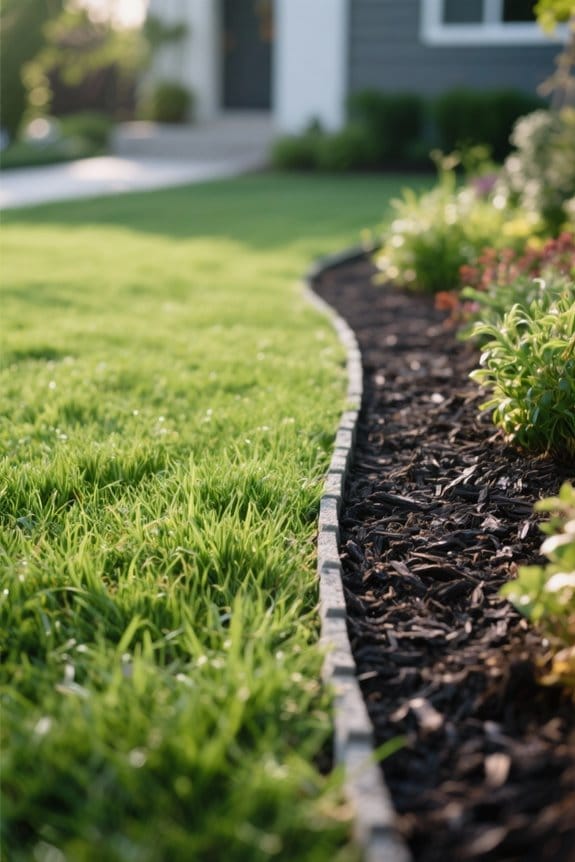
Regular edging creates a clean 2–4 inch vertical trench that separates turf from beds. It simplifies maintenance, prevents grass and weeds from invading planting areas, and reduces hand-pulling and herbicide use by creating a 4–6 inch barrier when deeper control is needed. Edges retain mulch and control surface water, limiting erosion and preserving root-zone moisture gradients. Inspect and re-edge every 4–8 weeks during active growth, wear protection, and mark utilities, then continue for more practical tips.
Key Takeaways
- Creates a clean physical barrier that prevents grass and weeds from invading planting beds.
- Preserves soil moisture and reduces erosion by keeping mulch and soil layers separated.
- Makes maintenance faster and lowers herbicide use by reducing hand-pulling and overgrowth.
- Enhances plant health by preventing root competition from encroaching turf.
- Improves curb appeal and overall landscape structure, highlighting garden focal points.
What Lawn Edging Is and How It Works
You may be interested


Lawn edging is a deliberate cut that creates a vertical boundary between turf and beds. It uses a 2–4 inch deep trench, cut with a manual spade or mechanical edger, to define clear borders and simplify maintenance. Lawn Edging produces clean lines that string trimmers cannot replicate, delivering a crisp separation that keeps mulch in place and helps retain moisture for plants. Gardeners often edge their lawn every 4–8 weeks during growing season to prevent runners from spreading. The trench keeps grass from invading beds by interrupting horizontal root and stolon growth, an effective weed barrier when combined with hand removal. This routine reduces chemical needs, clarifies mowing limits, and encourages consistent lawn care practices for healthier beds. A well-maintained lawn edger, such as a straight shaft design, can enhance user comfort and effectiveness during the edging process.
Visual and Curb Appeal Benefits

When a clean edge frames planting beds, the overall landscape reads as intentionally maintained and orderly. Regular lawn edging defines borders with a 2–4 inch deep trench or a 1–2 inch metal or plastic barrier, producing a visible clean line that signals attention to lawn maintenance. The effect boosts curb appeal, sometimes raising perceived property value by up to 20%, and invites admiration from neighbors and visitors. Edging provides clear visual separation between turf and beds, making pathways and sightlines easier to follow while highlighting focal plants. Keeping weeds at bay along the border preserves that crisp appearance, reducing the need for frequent touch-ups. Simple tools and 12–18 inch spacing for inspection help maintain consistent results. Additionally, versatile edgers can be used to convert from edging to trenching, offering more functionality and precision in maintaining garden borders.
How Edging Controls Weeds and Invasive Grass

Install a firm edge to keep grass and weeds from creeping into beds. A 4–6 inch deep trench with a 2–3 inch vertical barrier will prevent lateral root and rhizome spread, and keep turfgrass runners contained. Proper edging breaks underground rhizomes, interrupting the vegetative pathways weeds use to colonize planting zones. This reduces hand-pulling time, and limits chemical herbicide needs, promoting safer maintenance. Use steel, plastic, or concrete edging installed tightly against soil, with seams overlapped 1–2 inches to stop grass infiltration. Inspect edges monthly, reseat loosened sections, and cut turf back 1–2 inches from the barrier to maintain a clean line. Studies link properly edged landscapes to lower weed incidence and healthier plant beds. Ergonomic designs in landscape edging tools help to reduce fatigue during extended use, further enhancing the gardening experience.
Recommended Products

THE LONGEST & STRONGEST STAPLE ON AMAZON: Manufactured using tough 8 gauge thick steel, these staples will pierce through the hardest and toughest soils. The long 12 inch length ensures that the staple stays secure even in the toughest conditions. Dealing with sandy soil? No problem.

INSTALL INTO HARD ROCKY SOIL WITH NO PROBLEM! Constructed with a 7 gauge steel, these artificial turf stakes are 10% thicker than many other turf stakes on the market to ensure they won’t bend or break when hammering them into the ground. Try installing these on difficult terrains, as our stakes easily penetrate and anchor the turf in place.

HEAVY-DUTY 11 GAUGE GALVANIZED STEEL: Built from thick 11 gauge steel for superior holding power. Galvanized finish provides long-lasting rust resistance for outdoor installations.
Edging’s Role in Soil Moisture and Erosion Prevention

Although often overlooked, a clearly defined edge can channel surface water away from vulnerable areas and toward designated drains or planting zones. Edging directs runoff, preventing pooling that causes uneven soil moisture and localized erosion. Install edging 4–6 inches deep to form an effective barrier, with a 2–3 inch lip to retain mulch and slow surface flow. During heavy rain, edges reduce sheet erosion by breaking runoff into controlled paths, preserving topsoil and nutrients. Consistent edging also prevents soil layer mixing that disrupts moisture gradients and harms root zones. Maintain edges quarterly, removing trapped debris and checking for gaps where weeds can exploit weak points. Proper edging in this way stabilizes soil structure, conserves moisture, and helps prevent erosion over seasons. A lightweight design can enhance user-friendliness, making it easier for homeowners to maintain these edges effectively.
Recommended Products

DURABLE AND ECO-FRIENDLY: Crafted from 100% recycled PPE plastic, our gravel paver system delivers exceptional strength and longevity; This set includes 488 units with a 1-inch depth, covering an area of 1450 square feet
HEAVY DUTY LANDSCAPE EDGING SPIKES: Secure plastic or metal garden edging, paver edging, artificial turf, landscape fabric, weed barrier, lawn borders, and garden beds with heavy duty 6 inch galvanized landscape spikes.

Commercial-Grade Weed Barrier Fabric: Heavy-duty woven fabric built for landscaping and commercial installations where long-term weed control and durable ground coverage are required
Protecting Flower Beds and Plant Roots With Edging

After channeling surface water and stabilizing soil, edging also protects the plants within beds by creating a firm vertical barrier between turf and cultivated soil. A 3–6 inch deep cut, or a 2–4 inch metal or plastic lip, will stop grass rhizomes and roots from migrating. Lawn edging helps retain moisture within the bed, reducing evaporation and supporting plant health for shallow-rooted perennials. It also acts to prevent weeds by blocking runners and seeds carried by mower clippings. Properly set edges improve air circulation and drainage near roots, lowering risk of rot in clay soils. Routine trimming, every 4–8 weeks, prevents mower damage and keeps borders neat. These measures support a healthy garden with clearer maintenance routines and measurable results. Choosing the right materials, such as durable and highly visible marking tape, can further enhance the effectiveness of your garden’s edge.
Choosing the Right Edging Materials
When picking an edging material, consider durability, appearance, and installation effort. Stone, such as fieldstone or tiles, offers extreme longevity and a formal look, but requires heavy lifting and precise leveling over a 4–8 inch base. Metal edging, commonly 6–8 inch aluminum strips, gives a sleek profile and resists rust; it is low-maintenance yet costs more upfront. Plastic edging is affordable and easy to shape, often 4–6 inches high, suitable for curved borders when properly installed with stakes. Wood provides a natural aesthetic and is simple to cut to length, but lasts about ten years and can leach creosote, so avoid near vegetables. Concrete is most permanent, poured or preformed, but needs compacted base and labor. Dig a trench for stable placement. For optimal results, consider using stainless steel edging blades, known for their rust-resistant properties and longevity, especially beneficial in maintaining clean and sharp lawn borders.
Manual vs. Power Edging: Tools and Techniques
After selecting an edging material, the next decision is which tool to use for shaping and maintaining the border. Manual edgers are best for small plots and tight curves, offering precise control and clean edge lines; a half-moon blade 6–8 inches wide is common, pushed with one foot. Power edgers come in electric and gas models, supplying speed for large yards, with blades or rotating discs 8–12 inches across. Electric units, corded or 40–60V cordless, balance power and convenience, often covering a suburban lawn on one charge. Gas models deliver 2–3 HP for commercial workloads, but emit noise and require fuel and oil mixing. For proper lawn care, match tool size to property, and prioritize safety gear and regular blade sharpening. Cordless battery-powered edgers deliver portability and quieter operation, albeit with limited run times.
Recommended Products

EXTRA BATTERY BUNDLE – Includes the cordless lawn mower with battery and charger, Select Cut blade system, and extra battery (which ships separately).

Power equivalent to a 30cc gas string trimmer
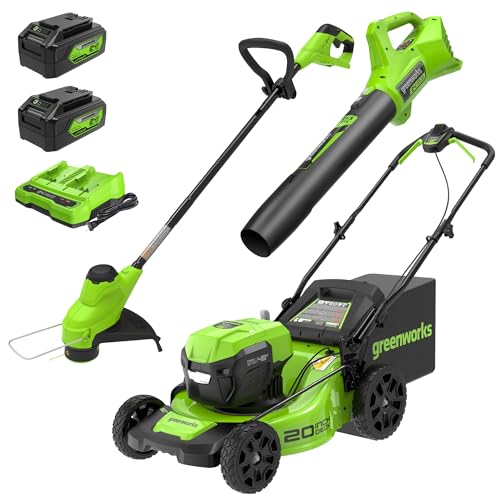
All-in-one Stystem - Experience the power of a gas mower without the hassle. This Greenworks combo kit delivers a complete cordless lawn care solution, featuring a 20-inch brushless mower, a 12-inch string trimmer, and a 320 CFM blower—all powered by the same two 24V batteries (included). No gas, no fumes, no cords, just quiet and efficient performance.
When and How Often to Edge Your Lawn
Because grass grows at different rates through the season, edging should match the lawn’s active growth cycle and maintenance goals. Edge every mowing during active growth phases, especially late spring to early summer when grass can double growth rates; this prevents grass from invading beds. Aim to edge at least once or twice a year to control weeds and define borders, using a 2–4 inch trench depth for clear separation. If edging only annually, schedule it in late June to keep overgrowth manageable and mulch in place. Establish a routine, such as monthly checks or biweekly during peak growth, to avoid extensive re-edging later. Consistency preserves clean lines and reduces invasive grass spread into planting areas. Battery voltage and capacity, commonly 36V and 25 Ah, impact runtime and should be considered when selecting the best tool for your lawn care routine.
Common Edging Challenges and How to Fix Them
How can common edging problems be fixed efficiently and with minimal rework? Regular edging keeps clear boundaries between turf and beds, preventing invasive weeds by creating a 2–3 inch deep root barrier. Repeat edging more often during late spring to reduce heavy overgrowth and shorten repair time. Remove clippings and debris immediately after cutting, since buildup obscures lines and invites regrowth. For extreme encroachment, use a flat shovel in small sections, cutting vertical slices and prying turf up incrementally to avoid large bare spots. Consistent depth prevents uneven edges and helps prevent soil erosion along slopes by stabilizing the boundary. Monitor results, adjust frequency, and restore any thin zones with compost and seed for durable, low-maintenance edges. Consider using tools like the BLACK+DECKER String Trimmer Weed Wacker (BESTA510) for effective and hassle-free line feeding during edging tasks.
Safety Tips and Best Practices for Edging
When preparing to edge a lawn, wear proper protective gear and check equipment first. Safety glasses and gloves reduce eye and hand injuries from flying debris and sharp blades. Inspect blades for nicks and tightness, replace or sharpen them if they exceed 1/8 inch damage depth. Mark underground utilities with flags or paint before digging, call utility locators when unsure to avoid rupturing lines. Maintain upright posture, bend at the knees, keep a 12–18 inch stance for balance while operating tools. Keep children and pets at least 20 feet away from the work zone. When using power equipment, follow the manufacturer’s manual, use a 3-prong grounded cord for electric units, and allow shields and guards to come to the rescue when debris is thrown. Consider using full-spectrum LEDs for any plant propagation nearby, as they provide the ideal light spectrum and intensity for optimal plant growth.
Maintaining Permanent and Temporary Edging Solutions
Although permanent and temporary edging require different schedules, both benefit from regular inspection and upkeep. Permanent edging solutions, such as 4–6 inch steel or stone borders, need annual checks for settling and resealing joints, which extend life and keep weeds from creeping under. Temporary edging solutions, like 2–4 inch plastic or treated wood, may require replacement two to four times per season, and should be reset to maintain a 1–2 inch trench barrier. Regular trimming, 1–2 inches from the edge, prevents grass invasion. Remove invasive weeds by pulling roots or using spot herbicide, applied carefully to avoid plant beds. High-quality materials come to the rescue by reducing frequency of repairs, lowering long‑term costs and preserving clean, defined garden lines.
Frequently Asked Questions
What Are the Benefits of Edging Your Lawn?
Edging the lawn improves aesthetic appeal, enforces clear boundary definition, enhances weed prevention, and supports soil health by directing water and reducing erosion; it also deters pests and simplifies maintenance for a tidier landscape overall.
What Are the Disadvantages of Edging a Lawn?
Like Sisyphus trimming borders, one finds cost considerations and heavy time investment; maintenance frequency demands recur, risking root damage, soil erosion and aesthetic drawbacks from uneven edges—deterrents that make edging a burdensome, imperfect chore.
Should You Use Lawn Edging?
Yes. He recommends lawn edging types be chosen to suit scale and style; appropriate edging tools, edging materials and edging techniques reduce mower damage, control weeds, manage water flow and simplify maintenance while balancing cost and appearance.
What Are the Signs of a Healthy Lawn?
A healthy lawn shows uniform vibrant lawn color, minimal pest presence, consistent growth height, and absent disease symptoms; deep roots, few weeds, even coverage, and drought resilience further indicate balanced nutrients and proper maintenance.


