As an Amazon Associate, we earn from qualifying purchases. Some links on this site are affiliate links at no extra cost to you. Our recommendations are based on thorough research and editorial judgment.


How to Edge Along Driveways, Sidewalks, and Patios

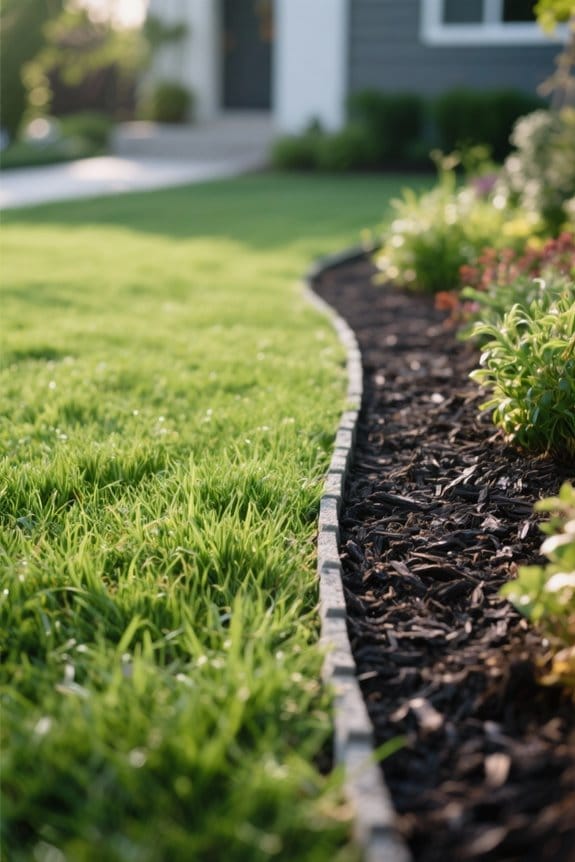
A homeowner should pick the right tool first. Lightweight power edgers (8–12 lb) with 6–8 inch blades suit straight driveways and patios, while a half‑moon manual edger comes to the rescue for curves and precise shaping. Mark edges with a hose or spray paint, keep cuts 3–4 inches deep and a 3–4 inch turf strip beside hardscape, wear goggles and boots, cut at 1–2 ft/sec, clean debris, and follow simple maintenance steps to learn more.
Key Takeaways
- Mark the edge line with a garden hose or spray paint 1–2 inches from hardscape for a neat turf strip.
- Clear grass, weeds, sticks, and stones before edging to prevent tool damage and ensure clean cuts.
- Use a power edger for straight runs and a half-moon manual edger for curves and precise shaping.
- Cut to a depth of 3–4 inches, moving at about 1–2 feet per second for consistent, clean edges.
- Wear safety goggles, long pants, sturdy boots, and mark sprinkler or utility locations to avoid accidents.
Choose the Right Tool for Your Edging Job
You may be interested


One good rule is to match the tool to the edge type before starting work. Power edgers are ideal for straight borders along sidewalks and driveways, offering consistent depth and speed. A lightweight model, typically 8–12 pounds, reduces fatigue during long stretches. Choose a unit with 6–8 inch cutting width for most domestic jobs. Manual half-moon edgers come to the rescue for curved beds, allowing fine shaping with a sharpened blade. Users should buy replacement blades and maintain them, to retain a 1/8–1/4 inch sharp bevel for clean cuts. Wear goggles, long pants, boots, and earplugs to prevent injuries from flying debris and noise. Match tool choice to line type for best results. To enhance the durability of your edger, consider selecting carbon steel or 15-gauge blades, which provide resistance to wear and tear.
Recommended Products
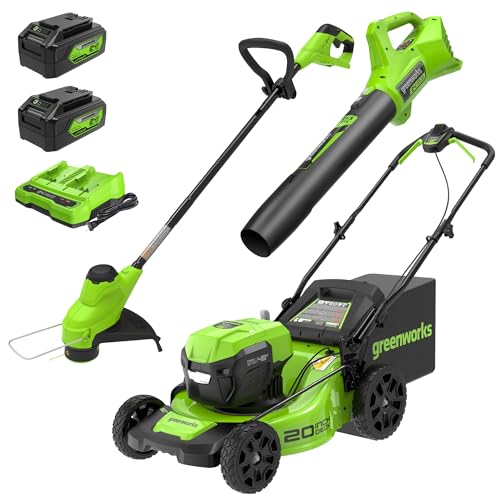
All-in-one Stystem - Experience the power of a gas mower without the hassle. This Greenworks combo kit delivers a complete cordless lawn care solution, featuring a 20-inch brushless mower, a 12-inch string trimmer, and a 320 CFM blower—all powered by the same two 24V batteries (included). No gas, no fumes, no cords, just quiet and efficient performance.

ALL IN ONE KIT: The 330iKE Combi Switch with edger attachment comes with Battery and Charger included

HIGH VERSATILITY AND PRODUCTIVITY: DEWALT Universal Attachment capability to accept additional tool pieces
Prep the Area and Mark Your Edges

Before starting, remove all overgrown grass and weeds from the edge zone to expose the boundary clearly. Mark curves and lines next using a garden hose or spray paint to outline a consistent, visually pleasing edge, keeping lines 1–2 inches from hardscape for a 3–4 inch turf strip. Identify sprinkler heads, irrigation valves, and utility markers, and mark them conspicuously so the edger avoids damage and precise cuts can be made. Clear the work area of sticks, stones, and debris to create an efficient, unobstructed workspace. For hand edging, plan 2–4 inch deep cuts; for a half-moon edger, rock side to side to define even depth and clean lines. Include an email address on permits or notes when coordinating shared properties. Consider using a Worx Cordless String Trimmer for its lightweight design and ease of conversion between trimming and edging tasks.
Recommended Products

Gas-like Performance – 3X quieter than gas with zero fumes, no pull cords! The brushless motor delivers max torque & longer life for tough grass & thick debris.

17-INCH 40V CORDLESS LAWN MOWER: 17-inch cutting width with durable poly deck and rear bagging system; 2-in-1 mulching and bagging design fits small to medium yards; features 6-position single lever height adjustment (1"-3") for flexible grass trimming; foldable handles for easy storage and transport, equipped with rubber treads for enhanced ground traction

High performance brushless motor for power up
Safety Gear and Precautions to Follow

With the edge lines marked and debris cleared, attention turns to protective gear and safe practices for the actual cutting work. Wear safety goggles at all times to stop flying debris, rated Z87.1 impact protection is ideal, fit snugly against the face. Long pants of thick denim and sturdy boots with ankle support protect legs and feet from sharp blades and falling objects. Use earplugs when operating power edgers, aiming for a noise reduction rating (NRR) around 25–30 dB to reduce hearing damage. Keep the work area clear of tools and tripping hazards, maintain at least 3 feet of unobstructed space. Inspect equipment before use, check blades for chips, verify fasteners are tight, and replace dull blades to improve efficiency and safety. Rust-resistant materials in gardening tools like dandelion weeders ensure durability and longevity, which is crucial for safe and effective gardening.
Using a Power Edger: Step-by-Step

Start the power edger by standing beside the path and holding the tool level, feet shoulder-width apart for balance. Maintain a grip that controls vibration but allows steady movement. Mark sprinkler heads and obstacles first to avoid damage. Edge slowly at about 1–2 feet per second for clean cuts, keeping the blade depth at 1–2 inches to separate turf from hardscape. Move the whole body, not just the arms, to follow straight lines along driveways and sidewalks. Wear goggles and earplugs, protective boots, and long pants. Complete edging before mowing the lawn for a neater finish, reducing grass overhang. Inspect the cut, touch up missed spots, and clear debris for improved curb appeal. Consider using adjustable cutting depths for enhanced versatility and precision in your edging process.
Edging With a Half-Moon Manual Edger

Drive the half-moon edger straight down into the soil, blade vertical, to establish a clean boundary between turf and hardscape. The curved steel blade, typically 6–8 inches wide, enables precise, clean edges by rocking side to side while keeping the blade vertical. Mark the line first with spray paint or a garden hose to guide smooth, flowing cuts around beds. Use short, controlled steps, inserting the blade 3–4 inches deep per cut to avoid removing excess grass. Wear goggles and long pants to guard against debris and accidental contact. Keep the blade sharp by filing regularly and remove dirt after use to preserve cutting performance. This manual tool is simple, quiet, and comes to the rescue for tight corners. For those who prefer versatile tools allowing multiple tasks, there are modern options that combine edging and trenching functionalities effectively.
Clean-Up, Soil Removal, and Finishing Touches
After edging, remove displaced soil and mulch promptly to keep the area tidy and prevent encroachment. Use a shovel or wheelbarrow to carry away loose material, aiming to remove piles larger than a 5-gallon bucket in one trip. Rake edges to clear debris, which improves appearance and stops grass and weeds from invading. For curves, outline with spray paint or a garden hose beforehand to guide final trims and achieve a smooth radius. Check for utility lines and pipes before digging to avoid damaging infrastructure and causing hazards. Finish by lightly watering the fresh edge, about 0.1–0.2 inches (2–5 mm), to settle soil and encourage turf recovery. Sweep hard surfaces and compact loose soil for a defined, long-lasting edge. Consider using tools with ergonomic handles to reduce hand fatigue during the edging process.
Recommended Products

Premium Durability & Easy-Clean Surfaces: Crafted with a powder-coated aluminum frame and a scratch-resistant HDPS wood-grain tabletop with full protective edging. This outdoor table and chairs resists daily wear, stains, and moisture. Spills wipe away effortlessly with a damp cloth, making it ideal for busy families

80V BRUSHLESS MOTOR – delivers robust gas-comparable torque to power through thick weeds, dense grass and overgrown areas, with significantly quieter operation, less vibration and extended tool service life.

Maintenance Tips to Keep Edges Sharp and Defined
A few routine checks will keep edges crisp and prevent frequent reworking. Inspect tools after each use and remove dirt and debris to prevent rust and bluntness. File manual edger blades, such as a half-moon tool, every time sharpening is needed, using a 120–180 grit file, at a 20–30 degree bevel for consistent cutting. Schedule edging maintenance every four to six weeks during the growing season, adjust frequency for fast-growing grasses. Outline desired edge shapes with spray paint or a garden hose before cutting to guide accuracy and avoid excess removal. Check soil moisture; avoid edging when soil is waterlogged or bone-dry, since friable, slightly moist soil yields the cleanest, most defined edges. Store tools dry and oil moving parts. When selecting tools or materials for garden maintenance, consider full-spectrum lights to ensure optimal plant growth and health.
Frequently Asked Questions
How to Edge Along a Walkway?
Though some fear uneven cuts, one should edge a walkway using straight Walkway techniques: outline curves, mark sprinklers, use a power edger for straight lines, or drive a half‑moon vertically for clear edges, walking slowly along the edge.
How to Edge Along a Driveway?
Use a power edger set about one inch deep, following spray-painted lines, keeping the blade level and the body moving to protect Driveway Materials. Maintain sharp blades, wear safety gear, and avoid cutting into the driveway surface.
What Are Common Mistakes When Edging?
A hush falls; then the errors appear. He neglects Edging Techniques, cuts beyond ½”, skips marking utilities, rushes causing jagged lines, ignores maintenance and safety gear—resulting in damaged turf, ruined edges, and costly repairs.
How to Edge a Sidewalk Without Edger?
Edging Techniques: One uses a half-moon manual tool, sharp spade, or vertical string trimmer to cut a ½” wide, ~1″ deep line; mark the line first, then maintain edges periodically for tidy, defined borders.