As an Amazon Associate, we earn from qualifying purchases. Some links on this site are affiliate links at no extra cost to you. Our recommendations are based on thorough research and editorial judgment.


How to Create a Low-Maintenance Garden Design

A low-maintenance garden reduces turf and reclaims 100–400+ sq ft for hardscape and native beds. Use compost-amended soil, at least 5 cm mulch, and chop-and-drop for carbon return to improve texture and water retention. Plant drought-tolerant perennials 30–60 cm apart, add 6–8 ft wide gravel paths, and install drip irrigation with hose timers for targeted watering. Choose stainless tools and native layers to boost biodiversity, and continue for practical tips that expand these basics.
Key Takeaways
- Replace sections of lawn with hardscaping, native plantings, or groundcovers to reduce mowing, watering, and fertilizer needs.
- Build and enrich soil with regular compost and chop-and-drop mulch to improve water retention and plant health.
- Choose drought-tolerant, native perennials spaced for mature size to minimize replanting and irrigation.
- Design wide (6–8 ft) paths, raised beds, and durable seating to improve access and reduce maintenance.
- Install drip irrigation, soaker hoses, or programmable timers and use mulch to conserve moisture and suppress weeds.
Let Go of the Lawn and Reclaim Space
You may be interested
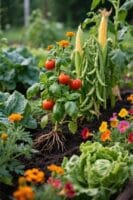


Many homeowners reclaim 100 to 400 square feet or more by removing sections of lawn. Reducing lawn space lowers mowing and fertilizing needs, cutting water requirements and time spent on chores. Replace turf with hardscaping features like a 10-by-12-foot paver patio or 3-foot-wide gravel pathways to eliminate grass entirely. Plant native plants that suit local zones; they are drought tolerant and adapt to seasonal rainfall, which means less upkeep. Use ground covers such as clover, creeping thyme, or sedum to create lawn alternatives that need little mowing. Combine drought-tolerant ornamentals with functional elements like raised beds or decomposed granite seating areas for visual appeal and defined zones. Reclaim space systematically, measure areas, and phase changes to manage cost and labor. Consider installing breathable HDPE shade sails to block up to 95% of UV rays while maintaining airflow, adding both shade and style to your outdoor spaces.
Build Great Soil for Long-Term Health

A wheelbarrow of compost can transform compacted soil into a productive growing medium. Mix one to two inches of compost over the topsoil, work it into the top 6–8 inches with a fork, then water to settle. Compost and well-rotted dairy manure add organic matter and boost fertility, improving nutrient availability for roots. Regular applications, roughly twice a year, increase microbial activity, which breaks down residues into usable nutrients. Compost tea can be applied monthly in growing season to enhance soil texture and nutrient availability. Chop-and-drop of prunings comes to the rescue by returning carbon and moisture. Improved soil structure increases water retention while maintaining drainage properties, reducing irrigation needs in a low-maintenance garden and supporting long-term plant health. Using full spectrum lighting when growing plants indoors can mimic natural sunlight, promoting healthier and more robust plant growth.
Choose Drought-Tolerant and Native Plants
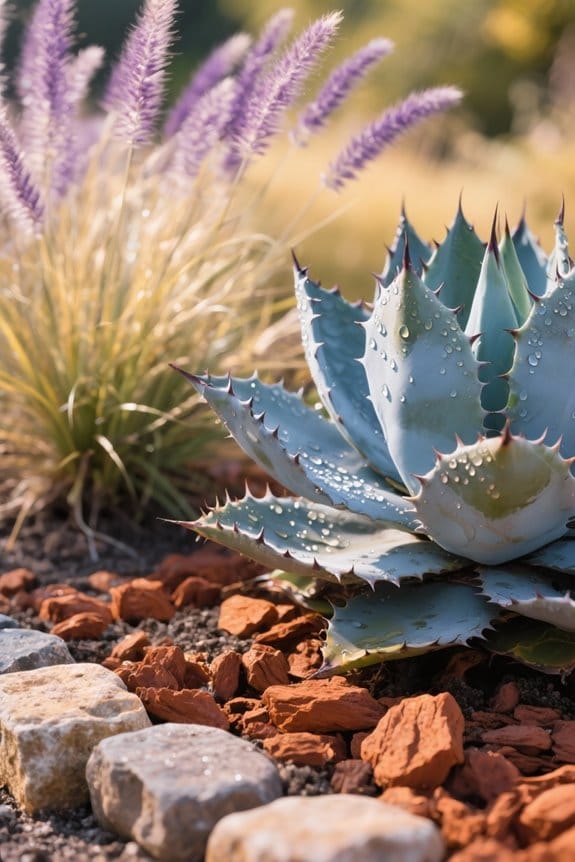
Plant selection is the foundation of a low‑maintenance garden. Choose drought-tolerant plants such as succulents and native ground covers that need 50–70% less irrigation than lawns, adapted to local climates. Select native plants like Echinacea purpurea and Rudbeckia hirta; they tolerate local gardening conditions and often require only annual pruning. Favor perennial species to avoid yearly replanting and to provide seasonal interest with minimal effort. Native, drought-resistant choices promote biodiversity and attract beneficial wildlife such as bees and butterflies. Many of these plants resist pests and disease, which helps minimize maintenance and reduces reliance on chemical treatments. Match plant to site sun exposure and soil moisture, spacing specimens 30–60 cm apart for mature spread. Using full spectrum grow lights can support plant growth in indoor settings by mimicking natural sunlight, allowing for year-round gardening indoors.
Design Wide Paths and Low-Maintenance Beds
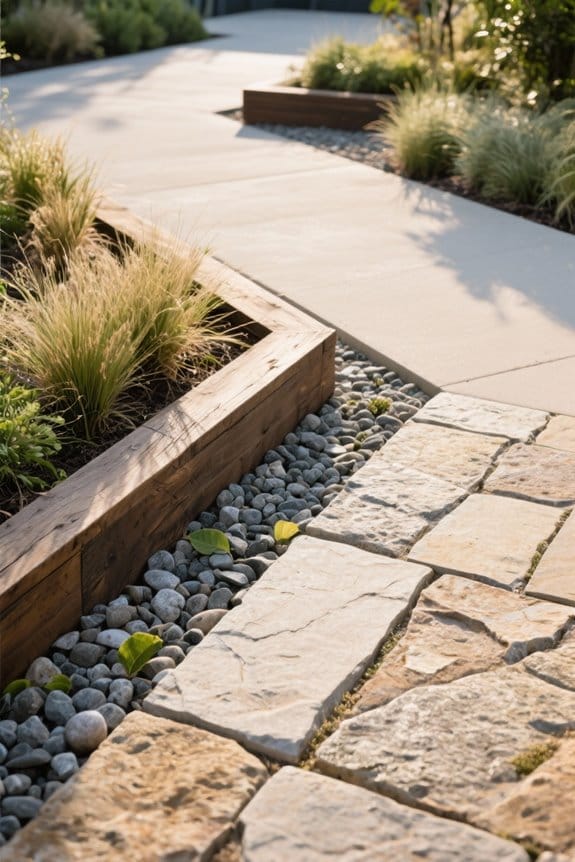
Clear circulation improves usability and cuts maintenance. Wide paths of 6–8 feet allow wheelbarrows and two people to pass, preventing plant trampling and simplifying care. Deep gravel or mulch paths come to the rescue by eliminating the need for mowing and frequent watering, reducing routine lawn tasks. Design landscape design so garden beds sit slightly raised, well-filled with native perennials and shrubs that come back year after year, which provides less maintenance than turf. Surround trees with native woodland plants to boost local biodiversity and lower upkeep. Place comfortable seating areas on durable paving near beds for rest and observation, reducing disturbance. For enhanced durability in shaded areas, consider using 185-200 GSM HDPE sails for effective UV protection and breathability. Overall, compacted edging, defined garden beds, and correct path depth create long-term, low-maintenance results.
Mulch Strategically to Suppress Weeds and Conserve Moisture
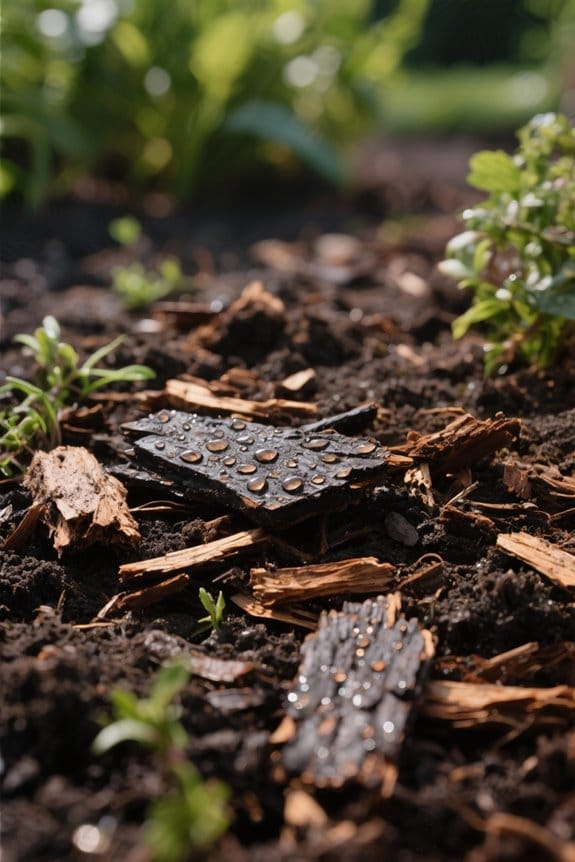
Mulch placement is a simple, highly effective step for reducing weeds and holding soil moisture. Apply a 2-to-4-inch layer of mulch in garden beds to suppress weeds by blocking sunlight and smothering seedlings, which reduces routine hand-weeding. Organic materials like shredded leaves, straw, or wood chips improve soil health as they decompose, returning nutrients and enhancing structure. Mulch also conserves moisture by reducing evaporation from the soil surface, which can lower irrigation needs during dry spells. In high-stress areas, 4-to-6-inch depths give extra protection and weed control. Replenish mulch ideally twice a year to maintain effectiveness, avoid piling against stems, and keep garden beds tidy. Proper mulch use promotes healthier growth and simplifies long-term maintenance. Consider using a durable steel edger to maintain clean, defined garden bed edges, which enhances the overall appearance and organization of your garden.
Recommended Products

ECO FRIENDLY (100% BIODEGRADABLE): Made from cardboard, zero plastics were used in production of Sandbaggy Garden Paper.
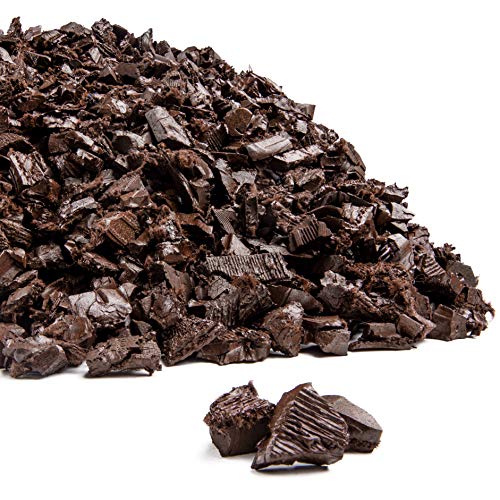
CREATE A SAFER PLAY AREA - Playsafer rubber mulch is IPEMA Certified and helps reduce the risk of injury on playgrounds and play areas
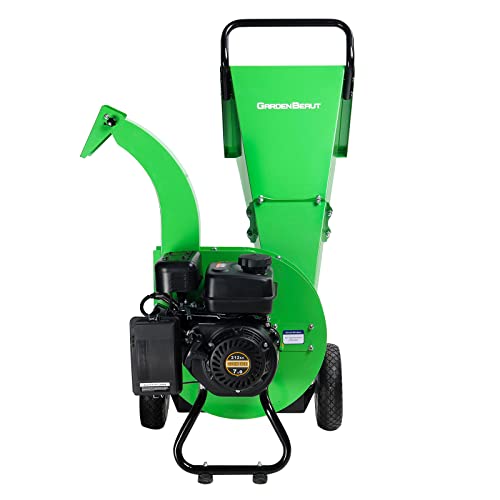
S1 Wood chipper shredder comes with a larger 15.6-inch large cutting rotor, which is more efficent and faster speed than those mini wood chipper. It is equipped with 2 blades and 6 hammers for more consistent speeds and efficient shredding. The efficient feeding speed and the grilling device on the discharge outlet effortlessly transform debris and branch leaves into mulch, enriching your garden with rich organic nutrients.
Automate and Simplify Watering
After mulch is laid, automating watering becomes the next practical step to reduce daily chores and keep soil moisture steady. Install drip irrigation for targeted water delivery, 1–2 gallons per hour emitters placed 6–12 inches from plant bases, which reduces waste. Use hose-end timers to automate schedules, set runs for 20–40 minutes two to three times weekly depending on soil type. Lay soaker hoses beneath mulch, spacing 12–18 inches apart for beds wider than 2 feet, to conserve moisture and encourage deep roots. Include quick-connect fittings to simplify switching tools and zones, minimizing manual labor. Choose programmable irrigation systems with battery backups for low-maintenance reliability. Consider using battery-operated lights to enhance the ambiance of your garden while maintaining energy efficiency. These steps automate and simplify watering in a thoughtful garden design.
Select Durable Hardscaping and Groundcovers
When reducing maintenance needs, durable hardscaping and low-growing groundcovers come to the rescue. Concrete, pavers, and decorative stones are durable hardscaping choices that minimize maintenance by replacing turf, eliminating mowing and reducing weeds. Use 4–6 in. compacted crushed gravel under pavers for stability. Plant groundcovers such as creeping thyme or sedum in 12–18 in. spaced plugs to suppress weeds and create a visually appealing carpet. Select drought-tolerant species to cut watering frequency and support soil health by reducing evaporation. Apply rock mulch 2–3 in. deep around plants for a stable surface and lower upkeep than organic mulch. Design paths, patios, and seating to improve outdoor functionality and deliberately minimize maintenance across the landscape footprint. For outdoor areas like patios and campsites, consider incorporating UV-resistant fabrics to provide effective sun protection while maintaining a low-maintenance setup.
Recommended Products

🌱 Mini Clover Seeds – Non-GMO & Heirloom – Trifolium repens, a dwarf white clover with tiny leaves (1/3 to 1/2 the size of traditional clover). A low-growing, low-maintenance lawn alternative or cover crop. Perennial in Zones 3-10, annual elsewhere.

Food plot seed blend contains four even mixed parts of ladino, white, red, & crimson clover seeds.

Used Book in Good Condition
Plan for Wildlife, Composting, and Minimal Upkeep
Some simple habitat features can make a garden largely self-regulating and low-maintenance. Native plants attract beneficial wildlife that controls pests, reducing chemical use and watering needs. Install a 3’x3′ composting bin or 1m³ pile to accelerate composting, improve soil health, and cut fertilizer costs. Provide bird baths and 1–2 brush piles for shelter to increase biodiversity, aiding pollination and pest control. Layer beds with varied heights, 30–90 cm for shrubs and 5–30 cm for ground covers, to support different species and create self-sustaining zones. Apply 5 cm of mulch to conserve moisture and suppress weeds, replenishing annually. Rotate compost inputs monthly and monitor decomposition, enabling minimal maintenance and promoting long-term ecological balance in the landscape. For effective garden maintenance, consider using rust-resistant stainless steel tools to ensure longevity and performance across various weather conditions.
Frequently Asked Questions
What Is the 70/30 Rule in Gardening?
A gardener sees a steadfast oak amid wildflowers: the 70/30 rule means 70% low-maintenance plants and 30% higher-care species. It guides sustainable gardening with native plants, drought resistant landscaping, garden zoning, mulch benefits, soil health, automatic irrigation, seasonal interest, container gardening, pest control.
How Do I Design a Low Maintenance Garden?
Design a low maintenance garden by choosing native plants, grouping by garden zoning and plant spacing, using ground covers and raised beds, adding water features sparingly, leveraging mulch benefits, seasonal color, pollinator habitats, and garden recycling practices.
What Is the Rule of 3 in Gardening?
The Rule of 3 groups three plant varieties to create balance, aiding plant selection, color harmony and seasonal interest; it supports zoning awareness, soil preparation, pest control, water conservation, layout planning, native species use and maintenance scheduling.
What Is the 3-Hour Gardening Rule?
Like a well-tuned clock, the 3-hour gardening rule means one allocates only three hours weekly to gardening techniques. It emphasizes plant selection, soil management, irrigation systems, weed control, pest prevention, seasonal maintenance, garden layout, plant pairing, sustainable practices.


