As an Amazon Associate, we earn from qualifying purchases. Some links on this site are affiliate links at no extra cost to you. Our recommendations are based on thorough research and editorial judgment.


Seasonal Lawn Edging: How Often Should You Edge

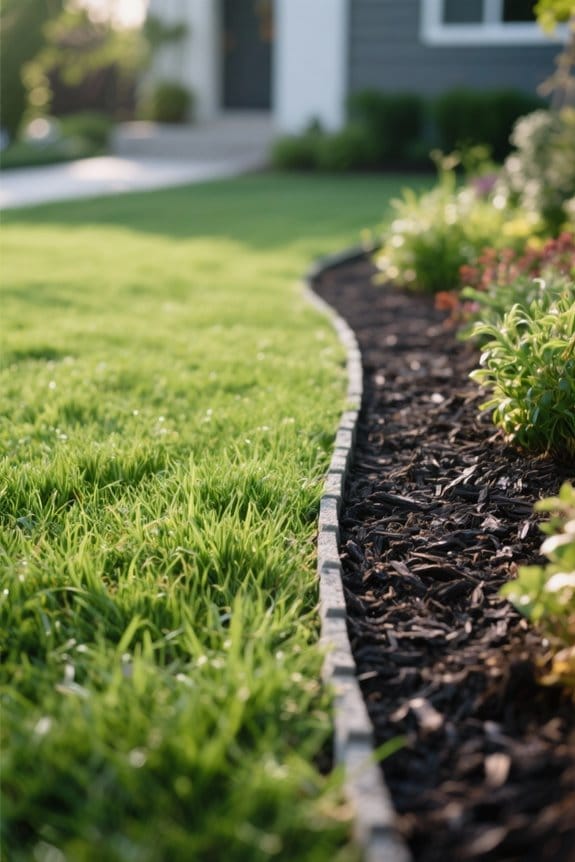
Seasonal lawn edging is best done regularly to keep borders neat and prevent turf intrusion. Aim for a 4–6 inch deep cut, edging every 1–3 weeks during peak growth in spring and summer, and every 3–6 weeks in slower fall or drought-stressed periods, adjusting for warm- or cool-season grasses. Use manual or powered edgers sized to yard scale, choose durable materials like metal or stone for permanence, and inspect edges after mowing; continue for more practical tips.
Key Takeaways
- Spring: edge once when soil warms (around 55°F) to reset borders, then repeat every 3–4 weeks as growth resumes.
- Summer: edge every 2 weeks (adjust for rainfall and rapid growth) to keep crisp, low-maintenance borders.
- Autumn: edge every 2–3 weeks to tidy borders and prevent grass invasion before dormancy.
- Winter: generally no edging needed unless warm spells spur growth; inspect and repair edging materials instead.
- Adjust frequency by lawn growth rate, tool type, and desired edge sharpness; deeper edges (4–6″) last longer between sessions.
Why Lawn Edging Matters for Health and Curb Appeal
You may be interested


When edges are trimmed and defined, a yard looks intentional and functions better. Lawn edging creates clear boundaries between turf and flower beds, defining edges to enhance curb appeal and increase property value. It helps prevent grass from invading beds, reducing maintenance easier tasks and limiting hand weeding to once per month in many yards. Proper edging improves airflow and water distribution at borders, supporting grass growth and a healthy lawn with deeper roots and fewer disease problems. For best results, edge to a depth of 2–4 inches and a width of 2–3 inches along sidewalks and beds, creating a neat trench that stops runners and stolons. Routine checks each season keep lines sharp and cleanup minimal. A manual edger offers greater control and precision for smaller tasks, making it an ideal choice for homeowners who prefer a hands-on approach.
Types of Edgers: Manual, Electric, Cordless, and Gas

Choosing the right edger begins with matching tool type to yard size and task. A manual edger offers maximum control for detailed cuts along garden beds and hardscapes, ideal for small lawns and precision work, its blade often 6–8 inches wide. Electric lawn edgers are lightweight and low-maintenance, suited to small–medium yards, typically 0.5–1.5 horsepower equivalents and 6–9 inch blades. Cordless lawn edgers come to the rescue for mobility, battery voltages usually 24–60V, useful across varied areas without cords. Gas-powered lawn edgers handle heavy-duty jobs on large properties, engines from 25–35 cc drive 9–12 inch blades for stubborn roots. When considering cutting width and speed, it’s important to choose a model that aligns with your lawn care needs for efficiency and effectiveness. Choosing between types affects lawn care efficiency and the ability to achieve a clean, professional look with chosen edging materials.
Best Materials for Permanent and Temporary Edging

After selecting an edger type that matches yard size and workload, attention turns to the edging material that will hold a clean line. Plastic edging is cost-effective, flexible, and often 4–6 inches high, easy to install with stakes, ideal for temporary borders and reshaping curves. Metal edging provides a durable solution; aluminum or steel strips 4–6 inches tall and 0.06–0.12 inches thick resist warping, good for a permanent border with a sleek profile. Wood edging offers a natural look, typically 2×6 or 2×8 treated boards, needs sealant every 1–2 years, and suits temporary borders when treated properly. Stone edging and brick edging create stable, attractive permanent borders, with 4–8 inch stones set on compacted sand for longevity. For any type of edging material chosen, regular maintenance is crucial to ensure the longevity and appearance of the borders.
Step-by-Step: How to Edge a Lawn Like a Pro

Start by laying out the border with marking paint or a taut string line to map the desired shape; smooth curves should be at least 3–4 feet radius for a natural look, and tight corners can be eased to 12–18 inches. The person then uses a manual or power edger to cut along the line, keeping steady control for a crisp edge. After cutting, remove loose soil and grass clippings to keep the area tidy and prevent material from falling back. Consider depth adjustment features to accommodate varied landscaping needs when selecting your edger. Install chosen landscape edging—metal, plastic, or stone—so it follows the cut line and sits 1–2 inches below turf level for durability. Finally, fill gaps with soil or mulch to secure the edge and boost visual appeal during seasonal maintenance.
Recommended Products

Compatible with all 13 for Milwaukee. attachments, making the most capable attachment system on the market Part of the M18 System, featuring over 275+ tools Reaches full throttle in under 1 second, providing unmatched responsiveness and productivity Balanced design optimized to increase control and reduce user fatigue 3-speed settings and variable speed trigger for increased control

Includes the Power Head (PH1400), 15” String Trimmer Attachment (STA1500), 8” Edger Attachment (EA0800), 56V 5.0Ah battery, and Standard Charger.Chain Gauge : 0.043" (1.1mm)

Husqvarna 525ECS gas edger is a lawn care equipment tool that is ideal for professional turf maintenance work
Seasonal Timing: When to Re-Edge in Spring, Summer, and Fall

When should a homeowner plan to re-edge their lawn for each season? In spring, ideal spring edging begins when soil temperatures reach about 55°F. Edge every 1 to 2 weeks as grass enters active growth, creating a neat baseline for the growing season. During summer, summer edging is typically every 2 weeks, adjust for faster growth or frequent irrigation, and pre-water compacted soil for cleaner cuts. In autumn, edge once every 2 to 3 weeks to redefine faded borders before dormancy, removing debris that speeds weed encroachment. Consistent seasonal edging preserves defined borders, prevents grass from creeping into beds, and improves curb appeal. Use a 4–6 inch deep cut for most lawns, or a trenching tool for permanent edges. Electric lawn edgers offer a convenient and environmentally friendly solution for maintaining these defined edges throughout the year.
Recommended Frequency Based on Grass Type and Growth
How often should edging be scheduled depends largely on the grass species and its seasonal growth phase. Warm-season grasses such as Bermuda and Zoysia often need weekly attention, because their rapid growth rate can blur borders in days. Cool-season grasses like Kentucky Bluegrass and Fescue usually require edging every 2 to 4 weeks, when growth rate slows. Increase edging frequency to every 1 to 2 weeks during spring and early summer, when active growth accelerates and time between cuts shortens. In late summer and fall reduce to every 2 to 3 weeks as growth declines. Wet soil or high nutrients may prompt more frequent edging, so monitor conditions. Regular, targeted edging helps edge lawns and keep borders defined, come to the rescue for tidy beds. Consider using gas-powered edgers for tough overgrowth and areas with significant curb appeal, as they offer powerful engine options and adjustable blade settings for precision.
Maintenance Tips to Keep Edges Crisp Longer
Though seemingly minor, consistent maintenance is the key to keeping lawn edges crisp and defined. Trim grass weekly during peak growth to prevent fraying; trimming grass by 1/4 to 1/3 of blade height reduces stress. Edge your lawn after mowing to expose the border, then use a spade or mechanical edger to cut a 2–4 inch deep trench as a clear physical barrier. Remove invading weeds promptly to stop them from spreading into beds or pavement. Replenish soil and mulch, adding 1–2 inches to fill gaps and stabilize edging materials. Inspect edging annually for loosening or damage, and replace compromised sections to extend life. Keep things tidy by clearing debris; this preserves a well-kept lawn and simplifies future maintenance tips. Incorporating automated timer functionalities in maintenance tools can further enhance efficiency by ensuring consistent care schedules and minimizing manual intervention.
DIY vs. Hiring a Pro: Cost, Time, and Quality Considerations
Because edging decisions affect cost, time, and final appearance, homeowners should weigh DIY work against hiring a professional before starting. DIY saves money, with tool costs around $30–$200 for a manual edger, or $150–$400 for a power edger, and takes 1–3 hours per session depending on yard size. Professionals cost $50–$150 per hour, using commercial-grade trenchers that finish faster, often under an hour for typical lawns. Quality varies; pros deliver crisp 1–2 inch wide, 1–3 inch deep edges, reducing turf encroachment, while DIY may produce uneven lines without practice. For rapid spring growth, regular maintenance every 2–4 weeks may make hiring a professional worthwhile. Choose based on budget, available time, and desired edge longevity. When considering the purchase of tools, evaluating the cutting capacities of edgers is essential to ensure they meet the specific requirements of your lawn and garden needs.
Recommended Products

Gas-like Performance – 3X quieter than gas with zero fumes, no pull cords! The brushless motor delivers max torque & longer life for tough grass & thick debris.

Makita-built Brushless Motor delivers up to 7,100 RPM for faster cutting

Push Mower: 20" heavy-duty steel deck provides the ultimate durability, 7-position single-lever height adjustment. Up To 45 Minutes Run-Time With 2 Fully Charged 4Ah USB Batteries. Run-Time Varies Based on Grass Condition and Operator Technique.
Frequently Asked Questions
How Many Times a Week Should I Edge?
Once or twice weekly during peak growth; otherwise every 2–6 weeks. They consider lawn health, garden aesthetics, edging techniques and equipment maintenance, adjusting for seasonal timing, weather impact, plant growth and soil conditions.
How Often Should I Edge a Lawn?
Ironically, they should edge weekly to monthly depending on season. He considers lawn care, edging techniques, seasonal maintenance, tool selection, soil health, grass types, yard aesthetics and weed control to set a sensible routine.
What Is the 1/3 Rule for Lawns?
The 1/3 rule for lawns means one-third of the grass blade’s cutting height is removed per mow. It supports lawn maintenance, grass health, seasonal care, soil quality, weed control, fertilization schedule, and water management.
What Are Common Mistakes When Edging?
Common mistakes when edging include poor marking and shallow cuts, neglecting debris removal, using dull or improper tools, ignoring edge maintenance and soil health, overlooking seasonal timing and landscape aesthetics, and mishandling DIY edging techniques and common tools.