As an Amazon Associate, we earn from qualifying purchases. Some links on this site are affiliate links at no extra cost to you. Our recommendations are based on thorough research and editorial judgment.


Seasonal Considerations: Should You Remove Shade Sails in Winter

Homeowners should usually remove shade sails before sustained freezing, typically when overnight lows hit 0°C (32°F). Frost makes polyester or HDPE fabric brittle and webbing stretch, which can cause tears or anchor failure under snow loads of 5–10 cm. Loosen tension gradually by 25–50%, clean with lukewarm water and mild detergent, dry 24–48 hours, then roll and store at 10–20°C in low humidity. If keeping up year‑round, inspect monthly; more tips follow.
Key Takeaways
- Remove shade sails before persistent freezing or heavy snow to prevent fabric brittleness and structural overload.
- Loosen tension gradually (25–50%) when taking down to avoid sudden fabric strain or seam damage.
- Clean and fully dry sails (24–48 hours) before storing to prevent mold and mildew.
- Store sails loosely rolled in a breathable bag at 10–20°C with low humidity and monthly moisture checks.
- Reinstall in spring only after inspecting seams, D-rings, and hardware, replacing any corroded or frayed parts.
Final Check Before Winter Storage
You may be interested


Before packing the shade sail away, perform a final inspection to prevent winter damage. Check the shade and fittings for signs of wear, such as frayed stitching, stretched webbing, or corrosion on D‑rings and turnbuckles. Clean only if dust or stains appear, using lukewarm water with mild detergent, scrubbing gently with a soft brush. Rinse thoroughly with clear water, then allow the fabric to become completely dry, 24–48 hours in sun or 2–3 days in shade, to prevent mold. Fold or roll the fabric loosely, avoiding tight creases, and place it in a breathable bag suited to dry storage conditions of 10–20°C and low humidity. Label hardware and keep small parts in sealed containers to simplify reassembly. Consider durable polyester options for shade sails to ensure longevity and UV protection during future installations.
When and How to Remove Your Shade Sail

When the first overnight lows approach freezing, it is time to remove the shade sail to avoid frost damage and snow loading. Remove shade sail before ice forms, since snow weight exceeds fabric tensile limits and seams may fail under freeze cycles. Loosen tension gradually, reducing load by 25–50% each step, and secure the fabric during removal to prevent wind snags. Clean with mild detergent, rinse thoroughly, and allow to dry completely—typically 24–48 hours in ventilated shade—to prevent mold and odors. Consider a lightweight protective cover for short-term winter use, but do not rely on it for heavy snow. Store the sail rolled, not folded, in a dry, ventilated area at 10–20°C, checking monthly; proper care goes a long way. It’s crucial to inspect D-rings and seams regularly to maintain the integrity and performance of the shade sail.
Recommended Products

YOUR OWN PERSONAL BUBBLE: An automatic pop-up, no assembly needed igloo tent perfect for setting boundaries between you and others out in public or in the privacy of your own space. Simply pop-up, secure, and enjoy the personal space to the fullest.

High-Quality Material:Made from 185 GSM high-density polyethylene (HDPE) fabric, this sunshade sail is built for durability with reinforced seams and stainless steel D-rings at each corner for secure installation.
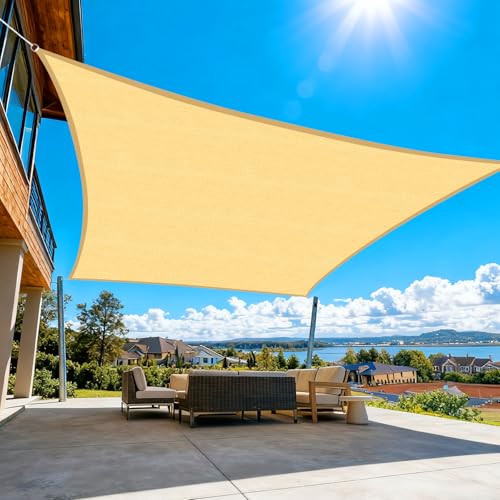
【Professional-Grade Durability & UV Defense】Crafted from premium HDPE fabric with enhanced UV-resistant particles, this shade sail delivers 95% UV blockage. Equipped with heavy-duty stainless steel D-rings at every corner for secure, rust-resistant performance season after season.
Best Practices for Storing Shade Sails

Although stored shade sails can last several seasons, proper preparation is vital to prevent mold, color fade, and hardware corrosion. Clean the shade sail first, using lukewarm water and mild detergent to remove dirt and stains; a soft brush helps, and rinse thoroughly. Verify the fabric is completely dry before packing, because any trapped moisture causes mold. Store in a ventilated location, away from direct sunlight, with humidity under 60% if possible. If feasible, hang the sail on a sturdy beam or padded hanger to avoid folds that increase moisture retention. Use breathable protective covers, like cotton bags or mesh sacks, rather than plastic. Periodically inspect the stored sail for damp spots or mildew and treat issues immediately to preserve fabric and fittings. For proper tension, measure 1.5-2 ft beyond the edges when installing or removing the sail to maintain its shape and longevity.
Recommended Products
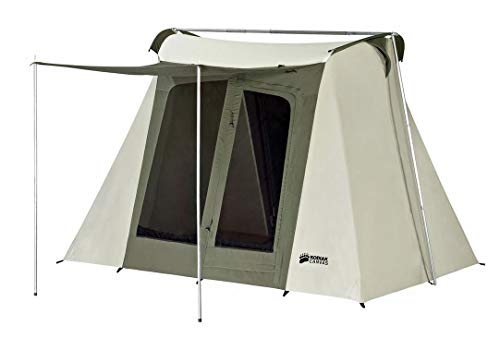
Made with Hydra-Shield, 100% cotton duck canvas that is durable, watertight and breathable

【Customizable Size & Durable Material】: KANAGAWA offers custome size sun shade sail to fit your outdoor space perfectly, Crafted from 1945 GSM HDPE (high-density polyethylene) material, our sun shade sail ensures exceptional durability. The sail features double layer webbing on each side and stainless steel D rings in the corners, enhancing its strength and longevity.

SMOOTH RIDE RUBBER WHEELS — Pet stroller for medium dogs with real solid rubber wheels and 4-wheel stability; fits 2 small pets (dog stroller for 2 dogs) or 1 medium up to 50 lbs for steady, calm sidewalk walks.
Inspecting and Maintaining During Winter

Inspect monthly, checking for moisture accumulation and early mold on seams and fabric surfaces. Remove any snow accumulation promptly; even 5–10 cm (2–4 in) can add damaging weight. Check seams, D-rings, and webbing for wear and tear, noting frayed stitching or rusted fittings. Gently flex the fabric to detect stiffness from frost, which makes fibers brittle and prone to breakage. Patterned duct tapes, while not suitable for heavy structural repairs, can be used for temporary fixes on minor damages. Perform minor repair work immediately, such as resewing a 2–3 cm tear or replacing a corroded shackle, to prevent larger failures. Regular maintenance like this preserves durability and prolongs fabric life, and systematic inspections will come to the rescue when problems arise.
Recommended Products

Secure a waterproof covering or pool cover in place with these dependable, thumbscrew-adjustment gator clamps. The drop resistant and high-strength PA material prevents snapping and resists sun damage.

【Virgin & Thick Material】The sun shade sail is made of 200 GSM virgin HDPE which holds up way longer than recycled stuff. Built-in UV stabilizers stop drying, cracking or fading. Great for carports, decks, or outdoor dining spots.

HEAVY DUTY SUNFORGER CANVAS - Premium water-resistant Sunforger cotton canvas designed for repairing and reinforcing canvas tents, tarps, boat covers, pop-up campers, panniers, and other outdoor gear.
Reinstalling and Preparing for Spring Use
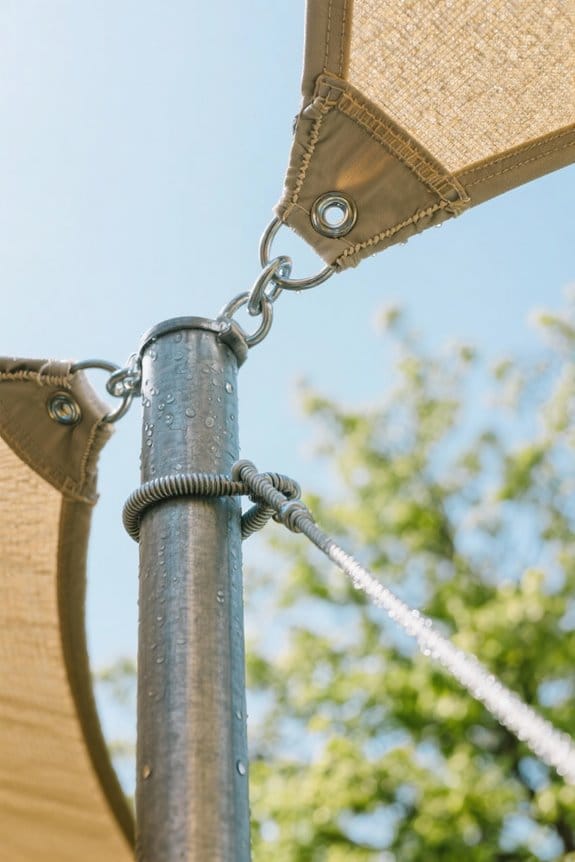
After the winter inspection routine comes to the rescue, the sail should be prepared for spring installation with a careful checklist. Unfold the fabric and air it out for at least 2–4 hours to eliminate trapped moisture, which can cause mildew. Perform light cleaning with lukewarm water and 5–10 ml mild detergent per liter, rinse thoroughly. Reinspect seams, stitching, and fasteners for wear, replace any D‑rings or turnbuckles with corrosion, grade 316 stainless recommended. When reinstalling your sail, follow manufacturer tension specs, typically 5–10% stretch allowance, keeping it taut but not overstretched. Regular inspections after setup, monthly or after storms, will help avoid damage. These steps guarantee sails can help provide shade reliably and prolong useful life. Consider the UV protection level of the fabric, which should block up to 95% of harmful UV rays to ensure effective shading during the sunnier months.
Recommended Products

𝗖𝗢𝗟𝗢𝗥 & 𝗦𝗜𝗭𝗘: Classic Series Features a Gray Frame, Fabric Color: Canvas Umber (solid), Size: 13' Wide x 10' Projection Full Extension. Advaning Awnings are 100% Fully Pre-Assembled and Ready for Installation.

【𝗦𝗨𝗣𝗘𝗥 𝗛𝗘𝗔𝗩𝗬 𝗗𝗨𝗧𝗬 𝗡𝗘𝗪 𝗣𝗔𝗧𝗘𝗡𝗧 𝗗𝗘𝗦𝗜𝗚𝗡】: Made of 260 GSM permeable extra heavy duty fabric, heavy duty stainless mounting rings, cable wires built-in edges, integrate into the mounting rings, all pulling strength goes to the cable wires, not only making the edges more durable, it also enhence the appearance of shade sail.

【𝗦𝗨𝗣𝗘𝗥 𝗛𝗘𝗔𝗩𝗬 𝗗𝗨𝗧𝗬 𝗡𝗘𝗪 𝗣𝗥𝗢 𝗥𝗜𝗡𝗚】: Crafted from 260 GSM permeable heavy-duty fabric, featuring upgraded 2025 stainless steel mounting rings and integrated heavy-duty steel cables along the edges. This design channels all pulling forces through the steel cables, enhancing edge durability and improving the overall aesthetics of the shade sail
Deciding Whether to Keep a Sail Up Year‑Round
One clear step is to evaluate local winter conditions before deciding to leave a shade sail installed year‑round. Assess local weather conditions: check average snowfall, peak gusts, and freeze-thaw cycles, for example 30+ cm seasonal snow or frequent -5°C nights. Regions with heavy snowfall should remove sails to prevent accumulated weight and stiffened fibers from tearing fabric. Consider winter‑rated sails with steeper pitch and reinforced 420D or higher fabric, which promote snow runoff. Regular inspections are required, weekly after storms, to detect sagging, moisture buildup, or mold or mildew forming in seams. Keeping sails up can extend outdoor spaces usability, but owners must maintain tension, clear 5–10 cm wet snow, and have anchors rated to 1.5× anticipated loads. Remove if damage appears. The quality of high-density polyethylene material in your shade sail is crucial as it enhances durability against UV damage, ensuring its longevity even in challenging weather conditions.
Recommended Products

DOT Approved Heated Glass Window

【𝗦𝗨𝗣𝗘𝗥 𝗛𝗘𝗔𝗩𝗬 𝗗𝗨𝗧𝗬 𝗡𝗘𝗪 𝗣𝗔𝗧𝗘𝗡𝗧 𝗗𝗘𝗦𝗜𝗚𝗡】: Made of 260 GSM permeable extra heavy duty fabric, heavy duty stainless mounting rings, cable wires built-in edges, integrate into the mounting rings, all pulling strength goes to the cable wires, not only making the edges more durable, it also enhence the appearance of shade sail.

【𝗛𝗘𝗔𝗩𝗬 𝗗𝗨𝗧𝗬】: our super ring shade sail exact 260 GSM permeable extra fabric, stainless mounting super rings, edges with cable wires built-in, integrate into the mounting rings, all pulling strength goes to the cable wires, making the edges more durable
Frequently Asked Questions
Do You Take Shade Sails Down in Winter?
Yes — they are removed. Winter maintenance requires dismantling to avoid snow load damage and compromised wind resistance; preserving UV protection and material durability via seasonal storage also prevents mold, retains aesthetic appeal and extends useful life.
When to Take Down Shade Sails?
40% of owners remove sails before first frost. One should take down shade sails when forecasts predict freezing, heavy snow, or severe winds; applying shade sail maintenance, seasonal wear analysis, installation tips, fabric durability, wind resistance factors, and winter storage options.
Can You Leave Shade Sails up All Year?
Yes. He notes shade sail maintenance allows year round usage if weather durability, fabric types, installation tips and seasonal impact are addressed; periodic inspections, secure fixings, suitable fabrics and mindful outdoor decor preserve lifespan and performance.
What Is the Disadvantage of a Shade Sail?
About 60% of outdoor fabric failures occur from weather stress; the disadvantage is ongoing shade sail maintenance: wind resistance issues, material durability concerns, water pooling risks, installation challenges, UV protection limits, and seasonal wear factors.


