As an Amazon Associate, we earn from qualifying purchases. Some links on this site are affiliate links at no extra cost to you. Our recommendations are based on thorough research and editorial judgment.


Temporary Vs Permanent Bonding: Understanding Tape Strength Ratings

Tape strength ratings show how strongly an adhesive sticks, usually given in ounces per inch (oz/in) or psi, with light tapes at about 10–30 oz/in and heavy structural tapes above 40–60 oz/in. Temporary tapes use low-tack rubber adhesives for clean removal, suited to painter’s tape and holding parts during assembly. Permanent tapes use acrylics for high shear, often exceeding 1,000 psi overlap shear for outdoor panels. Proper surface prep and testing come to the rescue, and more specifics follow.
Key Takeaways
- Temporary tapes prioritize low-to-moderate adhesion (≈5–30 oz/in) for clean removal without substrate damage.
- Permanent tapes use high-performance adhesives (acrylic/rubber) with higher adhesion, often exceeding 40–60 oz/in.
- Shear strength and peel tests quantify performance; permanent tapes show much higher overlap shear for structural loads.
- Environmental factors (temperature, humidity, UV) significantly change tape strength and long-term bond reliability.
- Proper surface preparation and application pressure are critical for achieving rated strength and avoiding bond failure.
What Tape Strength Ratings Mean
You may be interested


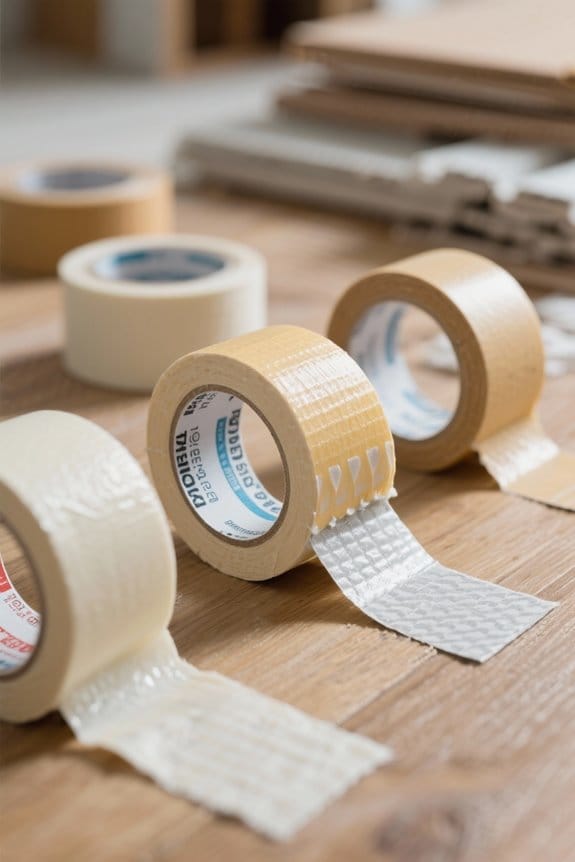
A tape strength rating describes how strongly an adhesive sticks, usually given in ounces per inch (oz/in). Ratings quantify adhesion strength, for example, 10 oz/in for light duty, 100 oz/in for heavy duty, helping choose adhesive tape. Shear strength is measured separately, indicating resistance to sliding or peeling forces parallel to the surface. Two bonding categories exist: temporary bonding allows easy removal, permanent bonding creates a durable attachment that resists detachment. Performance factors include the type of adhesive, surface texture, temperature, and humidity, all affecting measurements. Understanding ratings guides selection for specific applications like mounting, splicing, or packaging, ensuring ideal performance. Read manufacturer data sheets, test on the actual surface, and match specs to load needs. Choosing a tape with a thickness of 2.7 mil can prevent tearing during transport and provide better durability for secure sealing.
Temporary Bonding: Characteristics and Use Cases
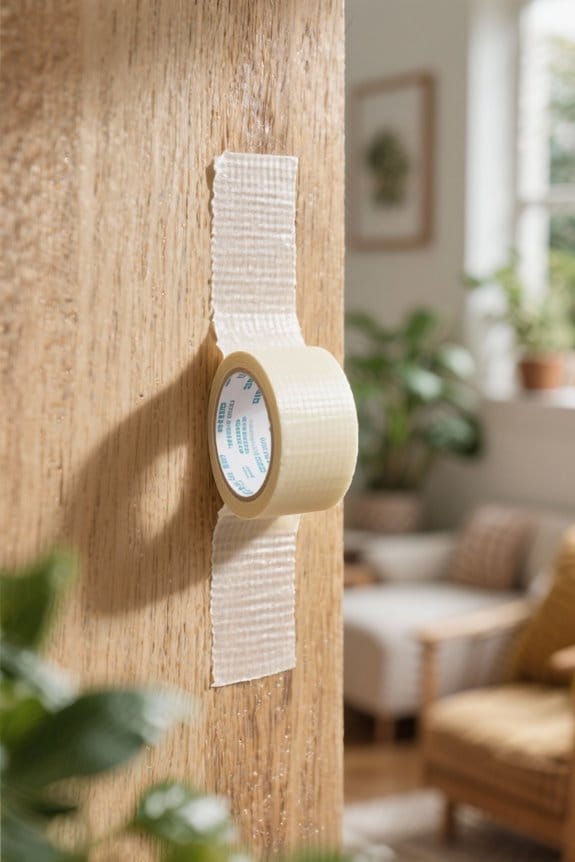
After reviewing how strength ratings and shear values guide tape selection, the focus shifts to tapes made for short-term use and removability. Temporary bonding covers adhesive tapes that form a non-permanent bond, allowing easy removal and repositioning without substrate damage. Typical tapes use rubber-based adhesives, which provide strong initial tack yet peel cleanly. Applications include masking tape and painter’s tape for painting, holding parts during assembly, and securing lightweight items for short-term use. Adhesion strength is often measured in oz/in; lower values indicate gentler hold, suitable for delicate surfaces. Low-tack transfer tapes come to the rescue when minimal residue and precise placement are needed. Users should match oz/in ratings to task weight and exposure for reliable, removable performance. It’s important to maintain your driveway weeder tools by cleaning them after each use and applying light oil to prevent rust, ensuring their longevity.
Recommended Products

PACKAGE CONTAINS: 96 rolls of general purpose masking tape by GTSE

USE-ON SURFACES: Designed for use on delicate surfaces such as painted drywall, freshly painted walls (painted at least 24 hours ago), wood floors, wallpaper, veneers, and cabinets
![[TRACK ARMOUR] 12'' x 300' - Temporary Paint Protection Film for Car, Truck or Motorcycle. Clear Adhesive Film to Protect Paint, Clear Bra or Wrap for Track Days, Road Trips and Off-Roading](https://m.media-amazon.com/images/I/313eWWtUCnL._SL500_.jpg)
SUPERIOR PROTECTION: Shield your car's paint from the harsh realities of the track with Track Armour premium paint protection. This durable, 6" x 100' clear film acts as an invisible barrier, providing superior protection during high-speed track days, road trips, off-roading, and even during potentially damaging car transport. It's the ultimate paint protection solution for automotive enthusiasts who demand the best. Easy to apply and remove, Track Armour gives you peace of mind knowing your car's finish is safe from chips, scratches, and road debris.
Permanent Bonding: Characteristics and Use Cases
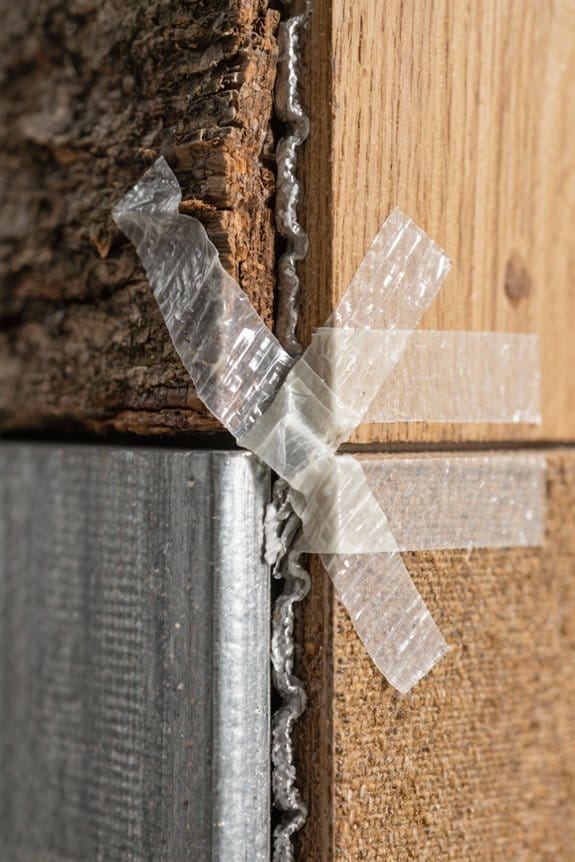
Many permanent bonding tapes use high-performance adhesives such as acrylic or synthetic rubber to create long-lasting bonds. These tapes offer high shear strength, often exceeding 1,000 psi overlap shear, suitable for structural applications in automotive and construction. They are chosen when disassembly is not planned, for example panel-to-frame joins in appliances or bonded electronic housings. UV resistance and moisture impermeability are common features, improving outdoor durability and preventing water ingress. Successful adhesion depends on surface preparation, including cleaning, degreasing, and sometimes abrasion to increase roughness for better mechanical grip. Compatibility with substrate materials must be checked, since some adhesives react poorly with plastics or paints. Practical selection balances strength, environmental resistance, and substrate compatibility for reliable permanent bonding. Consideration of temperature resistance features is crucial to ensure tape durability in extreme weather conditions.
How Adhesive Types Affect Strength Ratings
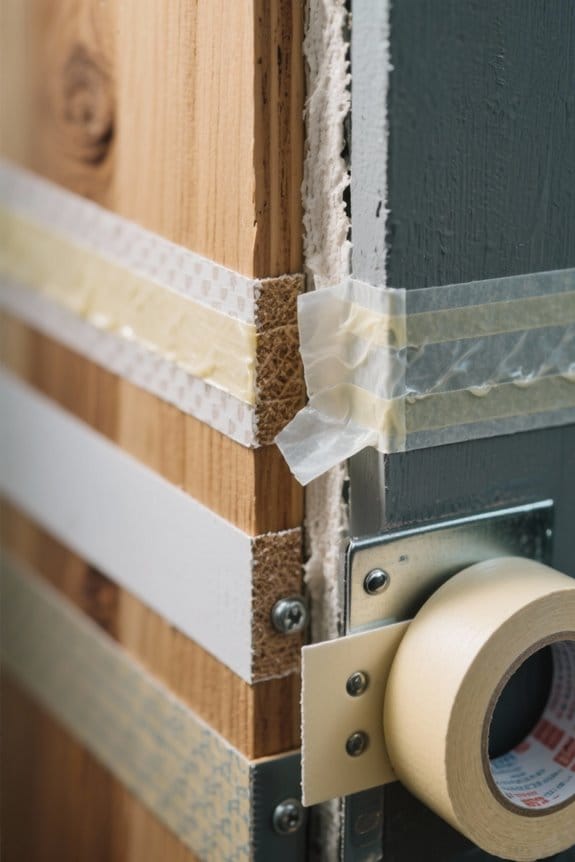
When engineers compare tapes, adhesive chemistry often comes to the rescue because it largely determines measured strength. Rubber adhesives give high initial tack, so temporary bonding tapes often use them for quick holds. Acrylic adhesives age better, so permanent bonding tapes favor them for durability and UV resistance. Adhesive composition dictates adhesive strength ratings, reported in oz/in, which testing methods like peel strength and shear strength quantify. A peel test might read 30 oz/in for a strong acrylic, while a rubber tape may show 10–15 oz/in initially. Environmental factors such as temperature and surface cleanliness can lower those numbers dramatically. Practitioners choose based on required holding time, load type, and expected conditions, then confirm with standardized tests. Electric pruning shears often include safety mechanisms such as double triggers and automatic blade closure to ensure secure use, which is a crucial consideration in their design.
Peel Strength, Shear Strength and Tensile Strength Explained
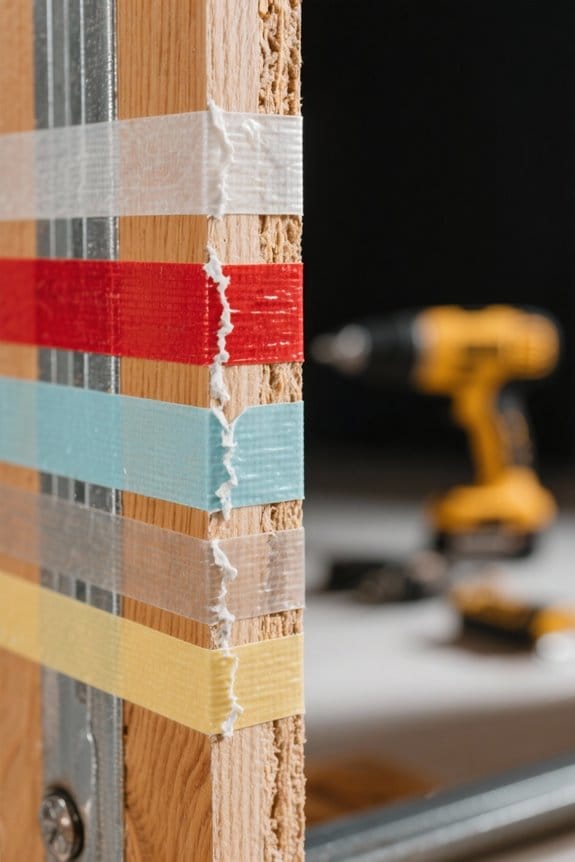
A clear understanding of peel, shear, and tensile strength helps users match tape to a job. Peel strength measures force to lift tape at a 90-degree angle, often given in oz/in, and predicts ease of removal for temporary bonds. Shear strength measures resistance to sliding under load, usually reported in psi, and comes to the rescue for permanent applications holding weight over time. Tensile strength is the maximum pulling force before breakage, useful for gauging durability under strain in dynamic applications. Tape strength ratings combine these metrics with adhesive formulation to guide selection. For example, choose high peel but moderate shear for removable mounting, or high shear and tensile for structural bonding. Performance comparison requires matching measurements to the intended application. When deciding on the best lights to enhance a space, it’s important to consider lighting modes that offer flexibility in creating different atmospheres, similar to how tape strength ratings help determine the right adhesive for a specific job.
Surface Preparation and Its Impact on Bond Durability
Surface cleanliness is foundational to a durable tape bond. Clean and dry surfaces yield higher bond strength with adhesive tapes, because dust, oil, and moisture block contact and reduce adhesion considerably. A cleanliness benchmark of no more than 1,000 particles per square inch is recommended, which helps guarantee effective adhesive contact and consistent results. Surface roughness affects bond durability; smooth plastics may need different adhesive formulations than porous wood or textured metals for ideal performance. Conducting a surface energy test can guide selection, since high-energy surfaces bond differently than low-energy ones. Temperature matters during application, avoid environments below 18ºC (65ºF) to prevent weak initial tack. Proper surface preparation improves environmental resistance and overall bond longevity. Incorporating strong adhesion in tape selection ensures that the tape adheres well to various surfaces and withstands both indoor and outdoor conditions.
Temperature, UV and Environmental Effects on Tape Performance
Many factors affect tape performance in the field. Temperature is critical: ideal adhesion is typically at 18ºC (65ºF) or higher, extreme cold or heat reduces bond strength and can cause failure. UV exposure degrades adhesive properties over time, unless UV-stabilized acrylics are used. Environmental factors like humidity and moisture change adhesion; some tapes resist water, others lose effectiveness when wet. Shear strength measures resistance to sliding, peel strength measures removal force, both vary with sunlight and temperature, affecting long-term performance. Regular testing under real-world conditions is recommended, including cycles from -10ºC to 60ºC and wet/dry exposure, to predict reliability. Practical testing protocols come to the rescue, guiding selection and safe application. Additionally, silicone/polyimide adhesives are preferred for high-temperature applications due to their residue-free removal properties.
Selecting the Right Tape for Removability or Permanence
How should one choose between removable and permanent tape for a project? Start by checking adhesive strength, usually given in ounces per inch (oz/in), where temporary bonding tapes range lower, often 10–30 oz/in. Consider adhesion levels needed for the substrate and the desired removal. Temporary tape will come off cleanly, with low tack and minimal residue. Permanent bonding tapes, like acrylics or silicones, deliver long-lasting adhesion, often exceeding 60 oz/in, and resist environmental conditions such as heat and humidity. Match application method to tape; hand-tear temporary tapes speed installation, while permanent tapes need firm pressure or rollers for full contact. Prioritize durability for outdoor use, and choose removability when future adjustments or clean removal are required. For optimal plant growth indoors, it’s essential to consider using energy-efficient designs that contribute to sustainable practices while keeping costs low.
Recommended Products


STRONG & REMOVABLE – Delivers a reliable temporary hold on fabric projects but removes cleanly when done. Great for tailoring, decorating, or crafting.
Field Testing vs. Laboratory Testing for Strength Validation
When validating tape strength, combine laboratory measurements with field verification to get a complete picture. Field testing checks adhesive tape performance on different surface types, outdoors and indoors, measuring peel at 90° or 180°, and noting environmental variables like humidity and wind. Laboratory testing uses standardized methods such as ASTM D3330 for peel and ASTM D3654 for shear, controlling temperature variations to ±1°C. Strength validation requires both approaches; lab data give repeatable numbers, field testing reveals real compatibility issues like contamination or roughness. Record bond failure loads in newtons per centimeter and hold times in hours or days. Use combined results to predict performance across applications, and adjust adhesive selection, surface prep, or application pressure accordingly. For outdoor projects, selecting a double-sided tape that is weatherproof and temperature-resistant ensures durability and reliability in various environmental conditions.
Common Failure Modes and How to Prevent Them
Why did the bond fail after only a few hours on the job? Common failure modes include poor surface preparation, wrong tape selection, and unaccounted stress factors. Temporary bonding often fails when surfaces are oily or wet, requiring cleaning to <0.1% contamination and drying to room temperature. Permanent bonding can degrade from environmental factors like cycles between -40°C and 85°C or sustained 90% relative humidity. Adhesion loss occurs if tape chemistry mismatches substrate; choose adhesive formulated for plastics, metals, or glass, noting shear strength ratings such as 1–10 N/cm. Mechanical loads exceeding peel or shear limits cause failure, so compare expected forces to performance characteristics. Implement routine quality control, with peel and tensile tests, to detect issues and prevent repeat failures. When selecting duct tape, consider options with residue-free removal features to ensure clean finishes without damaging surfaces.
Measuring and Interpreting Adhesion Values on Spec Sheets
Although a spec sheet can look dense, its adhesion numbers come to the rescue for quick comparisons. Adhesion values are given in ounces per inch, and they quantify the force required to peel tape from a substrate. Temporary bonding tapes often list 5–25 oz/in, useful when removability matters. Permanent bonding tapes may exceed 50 oz/in for lasting bonds. Spec sheets also show tensile strength and shear strength to indicate pull and sliding resistance under load. Performance ratings like “removable” or “permanent” summarize intended use. Environmental factors such as surface cleanliness and texture can change measured values considerably, so quoted numbers are conditional. Reading these sections together helps match tape selection to application requirements and expected service conditions.
Practical Application Tips for Temporary and Permanent Tapes
A few simple checks come to the rescue before selecting temporary or permanent tape for a job. Temporary tapes have lower adhesive strength, about 10–20 oz/in, and allow easy removal from delicate surfaces without damage. Permanent tapes offer 40 oz/in and above for long-lasting bonds, suited to rough or structural materials. Consider surface compatibility first, match tape to substrate texture, and note application temperature, typically above 18ºC (65ºF) for reliable adhesion. Test the tape on a small area to confirm behavior, especially when shifting from temporary to permanent bonding solutions. Apply consistent pressure, allow dwell time for maximum bond strength, and follow manufacturer specs for load, humidity limits, and recommended removal methods.
Frequently Asked Questions
What Is the Difference Between Temporary and Permanent Bonding?
Temporary bonding suits temporary applications with easy tape removal, lower bonding duration, and flexible adhesive properties; permanent bonding targets permanent applications with greater strength, surface compatibility focus, resilience to environmental factors, usage scenarios, and distinct bonding challenges.
What Is the Strongest Bonding Adhesive?
The strongest bonding adhesive is epoxy resin. With superior adhesive properties and bond strength, it demands careful surface preparation, controlled curing time and application techniques to maximize adhesive durability, temperature resistance, peel strength and shear strength.
Which Duct Tape Has the Strongest Adhesive?
Gorilla Tape is often cited as having the strongest adhesive. It excels in duct tape types, adhesive comparisons, heat resistance, outdoor durability, water resistance, surface compatibility, material versatility, residue left, tearability ratings, and brand performance.
How to Determine Adhesive Strength?
They determine adhesive strength via adhesive testing methods, combining tape peel strength and adhesive shear strength measurements, bonding performance evaluation, material compatibility assessment, environmental factors influence, lifespan of adhesives, application techniques, strength comparison chart, and adhesive failure analysis.


