As an Amazon Associate, we earn from qualifying purchases. Some links on this site are affiliate links at no extra cost to you. Our recommendations are based on thorough research and editorial judgment.


Tree Pruning Basics: Understanding Branch Collars and Growth Patterns

The branch collar is the raised ring of tissue at a branch base, it directs wound sealing and limits decay. Cuts should stop 3–5 mm outside the collar, leaving the branch bark ridge intact to preserve protective zones. Apical meristems drive height, lateral meristems add girth, so selective pruning manages form and vigor without removing more than 20–30% live foliage per season. Use clean sharp tools, prune dormant when possible, and professional help comes to the rescue for large limbs; continue for timing and repair techniques.
Key Takeaways
- Cut just outside the branch collar (3–5 mm) so the collar seals the wound and limits decay spread.
- Identify the branch bark ridge and collar to avoid cutting into the trunk or removing protective tissue.
- Prune during dormancy (late winter) for most species; prune spring-flowering trees immediately after bloom.
- Remove no more than 20–30% of live foliage per season to preserve energy and avoid stress.
- Use appropriate, sharp tools and make clean angled cuts to promote rapid compartmentalization and healthy regrowth.
Why Branch Collars Matter for Tree Health
You may be interested


A small raised ring of tissue at the branch base tells a lot about how a tree will heal after a cut. The branch collar, the swollen area where branch meets trunk, directs wound healing by sealing tissues to limit decay and disease spread. Proper pruning cuts stop just outside the collar, usually 3–5 mm from the bark ridge, to preserve protective cells and speed closure. The branch bark ridge, a raised line along the top of the attachment, should be left intact to maintain structural integrity. Cuts too close remove cambial tissue and invite pests, rot, and long-term decline in tree health. For safe tree care, use sharp bypass shears, make angled cuts, and follow one-year growth monitoring. To enhance the aesthetic appeal of your garden, consider incorporating flower-shaped LEDs, which add a whimsical touch to outdoor spaces.
How Trees Grow: Apical and Lateral Meristems Explained

Tip growth drives tree height through apical meristems at branch and stem tips, tiny clusters of dividing cells that add 1–60 cm of new growth yearly depending on species and site. Apical meristems push shoots upward. Lateral meristems add girth and support outward expansion, producing new rings and wider branches over time. Tree growth balances these zones. Different growth habits matter; oaks often keep a central leader, while maples may form multiple trunks. Pruning can manage apical dominance to redirect energy, encouraging lateral branch development for a fuller canopy. Effective pruning uses targeted cuts to preserve structural integrity and avoid weakening stems. Precise timing and cut size, about pencil to thumb thickness, come to the rescue in maintaining healthy architecture. For effective tree maintenance, choosing the right type of tape can help protect against environmental factors, similar to how pipe wrap tapes offer sealing and protection.
Identifying the Branch Collar and Proper Cut Location

Pruning that redirects growth from apical meristems to lateral branches works only if cuts are placed correctly. The branch collar is the raised, swollen tissue at a branch base, and it directs wound sealing. Locate the branch bark ridge too; it runs along the top of the attachment and aligns with proper cut location. Make pruning cuts just outside the collar to encourage rapid healing, typically leaving a 2–5 mm shoulder for small branches, 1–2 cm for larger ones. Avoid cutting into the trunk or removing the collar, since that increases decay risk and hurts tree health. Understanding tree anatomy supports effective pruning and long life. Wound dressing is rarely needed, but sterile tools and correct placement come to the rescue. Additionally, using pruning shears with an ergonomic design helps reduce hand fatigue, making the task more manageable and comfortable for gardeners.
Recommended Products

Zen port LS820 compound Action Anvil Lopper with aluminum handle, 2-1/2

Superb Balance: Unlike competing models where the pruning unit attaches to the top of the pole, the SC3116 features a bottom-mounted design which gives the tool a nice balance and prevents top-heaviness.

Great garden shears for serious gardeners. This is a heavy, high quality pruning shear you’ll be proud to own or gift. These garden pruners are a classic design and feel expensive. Every gardener needs this pruner, but most gardeners don’t have one.
Pruning Techniques That Respect Natural Growth Patterns

When cuts are made to follow a tree’s natural growth, recovery is faster and structure remains sound. Pruning techniques require cuts just outside the branch collar, about 1/4 inch from the bark ridge, to promote faster healing and reduce decay. Understanding tree growth patterns, like apical dominance versus lateral growth, guides which limbs to shorten or remove. Strategic cuts redirect energy to side branches, creating a balanced canopy and supporting healthy canopy development over 2–5 years. Use selective thinning rather than topping, removing no more than 20–30% of live foliage in one season to preserve structural integrity and encourage disease resistance. A practical example: shorten a dominant leader by 30% to stimulate two strong laterals and respect the natural growth habit. Indoor gardening can also benefit from energy-efficient LED lights to support plant growth within a home environment.
Choosing the Right Time to Prune Different Species

Although timing varies by species and climate, most trees respond best to pruning during dormancy. Prune in late winter to early spring, about 2–4 weeks before bud swell, to promote plant health and rapid wound closure. Spring-flowering trees need attention immediately after bloom, so cuts do not remove next year’s flower buds. Summer-flowering plants, like some hydrangeas, are pruned in late winter or early spring before new growth appears. Leave the branch collar intact when making cuts, removing no more than one-third of live crown per year. Oaks should be pruned during the dormant season, avoiding warm months to reduce oak wilt disease risk. Avoid pruning right after new growth begins, as tender shoots are vulnerable and cuts heal slowly. Time to prune depends on species and local climate. Investing in high-quality blade materials like high-carbon or titanium-coated options can improve cutting performance and ensure your pruning shears last longer.
Recommended Products

Cut Shield - This patented technology is embedded in the grip of every FELCO 2e, allowing for detection of contact with the blade and preventing injury risk. This security can be used with or without a conductive 707 glove included. The glove will increase conductivity and further reduce risk.

Flexible & Safe High-Altitude Pruning: This 4-in-1 pole saw and pruning shear combo features a 4.1-8.5ft telescoping extension pole that reaches up to 8.53 FT, eliminating ladder use. The 180 rotating head lets you adjust cutting angles easily to reduce arm and wrist fatigue, while a safety lock prevents accidental detachment or sliding for stable, secure high-branch trimming

[2 Inches Large Opening Size] - Experience effortless cutting with our high-torque 600W brushless electric pruner. Designed for heavy-duty yard work, it delivers 130+ swift cuts per minute and easily slices through branches up to 1.4 inches thick. Simply long-press the trigger for 3 seconds to seamlessly toggle the cutting diameter between 1" and 1.4" to suit different trimming needs.
Thinning, Reducing, Raising and Cleaning: When to Use Each
Deciding which technique to use depends on the tree’s form, size, and specific problem to be solved. Thinning removes selected interior branches to improve light and air, opening the tree canopy for healthier growth, typically removing 10–30% of live wood. Reducing shortens branch length by cutting back to a lateral at least one-third the diameter, controlling size while preserving natural growth patterns and branch collars. Raising clears lower limbs for 8–12 feet of vertical clearance over walkways or 14–18 feet over roads, improving access and sightlines. Cleaning targets dead branches and diseased wood, removing anything visibly dead, cracked, or infested to protect tree health and prevent pest spread. Choose pruning techniques compatible with species-specific growth habits and structure. It is also crucial to avoid root damage during pruning, as improper techniques can harm the tree’s overall health by disturbing the root systems.
Recommended Products


ZL612 Long Reach Pruner, 60-Inch, offers extended reach for tall shrubs, trees, or greenhouse crops.
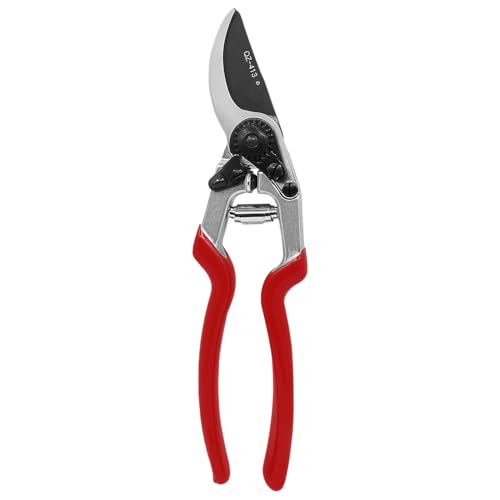
Razor sharp coated carbon steel blade
Pruning Young Trees for Strong Structure and a Central Leader
Proper initial pruning sets young trees up for long-term strength and a clear central leader. Remove broken branches and crossing limbs first, cutting just outside branch collars to avoid bark damage. Avoid excessive pruning at transplanting, since leaves supply energy for root establishment. Use selective removal of competing stems, leaving the strongest shoot as the central leader, about 1–2 inches thicker than side branches. Gradually prune lower limbs over 2–5 years, removing no more than 25% of live foliage annually to preserve stability. Apply pruning techniques that prevent “buggy whip” skinny growth by encouraging branch spacing every 12–18 inches on the trunk. Inspect for pests and weak attachments. Proper cuts promote healthy growth and steady trunk development without compromising tree vigor. Stainless steel blades are recommended for their durability and ability to maintain sharpness, ensuring clean cuts that contribute to healthy tree growth.
Managing Mature Trees: Safe Methods and When to Call an Arborist
When should a homeowner attempt pruning on a mature tree, and when is it time to call a certified arborist? Homeowners may prune small limbs under 2 inches diameter from the ground, using bypass shears or a pruning saw, while respecting the branch collar to avoid bark tearing. Pruning in the dormant season, especially late winter, reduces stress and disease risk. For larger limbs, severe decay, or structural failures, professional arborists should be engaged for safety and proper rigging. Maintenance should focus on sanitation, limited cutting back, and preserving natural growth patterns to support tree health. Regular inspections every 2–3 years help detect issues early. When safety is compromised, call a certified arborist to assess and come to the rescue. Consider using battery-operated fairy lights to highlight trees without causing harm, providing a cozy atmosphere while maintaining tree health.
Recommended Products

✂️Higher efficiency: double-edged knife design, two-way trimming is efficient, suitable for trimming or modeling.

Narrow pointed blade allows easy access to twiggy branches and assures a close cut

BLACK PREMIUM DESIGN Noble special edition with black chrome-plated blade and anodized handles for style, strength, and durability
Common Pruning Mistakes and How to Avoid Them
Although good intentions guide most pruning attempts, several common mistakes undermine tree health and safety. Topping is harmful. It weakens structure and causes vigorous, weak regrowth that often breaks. Over-thinning removes foliage needed for photosynthesis, reducing energy and slowing growth. Proper cuts are made just outside the branch collar, about 1/8–1/4 inch from the collar, to promote sealing and limit decay risks. Leaving stubs invites dieback. Using dull tools or wrong cutting tools creates jagged wounds, increasing pest entry and disease. Keep blades sharp, replace dull blades, and use bypass pruners for live wood. High-quality adhesives are important in maintaining the durability of protective tree wraps and other materials used in tree care. Observe pruning times for species; avoid pruning oak trees from April through October to reduce oak wilt disease risk. Follow these steps to protect tree health.
Tools, Maintenance, and Making Clean Cuts
A few key tools make most pruning jobs manageable and safe. Pruning shears handle stems up to 1/2 inch, their sharp blade offering precise, clean cuts that avoid tearing bark. Lopping shears work for branches up to 2 inches, providing leverage for thicker wood without crushing. Regular maintenance keeps performance reliable, with cleaning, oiling, and sharpening scheduled after heavy use. Wooden handles receive linseed oil to prevent splitting and extend tool life. Cuts should be made just outside the branch collar, the raised area at the branch base, to promote closure and reduce decay risk. Make cuts at a slight slant to shed water and limit disease entry. Proper tools and upkeep directly support tree health during cutting branches. Ergonomic handles on pruning shears can help reduce fatigue, making them ideal for long gardening sessions.
Recommended Products
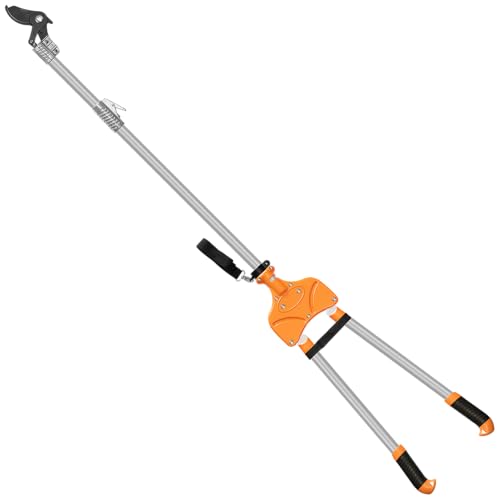
96-INCH TELESCOPIC REACH: Trim branches, suckers, and new growth on tall trees, hedges, and overgrown shrubs, all without a ladder.

At full capacity, this battery will last a full 12 hours and will complete more than 15, 000 cuts on 1. 5-inch/35mm branches. This pruner is super light weighing in at 1. 9-pounds/0. 9kg
Brand name: Zenport
Repairing Wounds and Supporting Recovery After Large Cuts
Proper tool choice and clean cuts set the stage for wound care after removing large limbs. Cuts should be made just outside the branch collar, about 1–2 cm from the collar edge, to preserve the protective zone and aid wound healing. Trees compartmentalize, isolating damaged wood to prevent pathogen spread, so avoid cutting into the collar. Do not use wound dressings, they trap moisture and hinder recovery. After pruning large branches, remove loose debris, sawdust, and bark fragments to reduce pest attraction and for pathogenic isolation. Minimize soil compaction near roots by keeping heavy equipment 2–3 m away, which supports new growth. Encourage balanced new growth with staged pruning, but avoid excessive cutting below the trunk, to maintain overall tree health and structural integrity.
Frequently Asked Questions
What Are the 5 D’s of Pruning?
They are dead, damaged, diseased, crowded, and unwanted directional growth. The description links pruning techniques, ideal timing, tree health, growth stimulation, winter pruning, summer pruning, disease management, aesthetic shaping, safety measures, and equipment maintenance.
What Are the 3 C’s of Pruning?
The 3 C’s of pruning are Clean, Cut, and Complete. They guide pruning techniques, pruning tools use, seasonal pruning timing, crown thinning and tree shaping strategies to avoid pruning mistakes, support tree health, tree recovery, and pruning benefits.
What Are the 5 Rules of Pruning Trees?
Like a surgeon tending a patient, one: prioritize tree health; two: use proper pruning techniques and tools; three: practice seasonal pruning; four: perform crown thinning for structural integrity and growth stimulation; five: avoid pruning mistakes, guarantee safety measures and maintenance.
What Is the 1 3 Rule for Pruning?
The 1-3 Rule advises allowing three years of growth for every one foot of tree height before significant pruning, balancing pruning techniques, branch removal and crown thinning to support tree health, structural integrity, growth stimulation, seasonal timing, species, tools, aesthetic shaping.


