As an Amazon Associate, we earn from qualifying purchases. Some links on this site are affiliate links at no extra cost to you. Our recommendations are based on thorough research and editorial judgment.


Water Conservation Techniques for Sustainable Gardening

Water in the early morning, between 5 and 9 a.m., to reduce evaporation and aid deep root uptake. Use targeted irrigation like drip lines (0.5–2 gallons per hour) and soaker hoses for 30–60 minutes twice weekly, checking pressure at 10–30 psi. Mulch 2–4 inches and add compost to the top 4–6 inches to improve water retention. Choose native, drought-tolerant species and collect roof runoff with 60-gallon barrels, and further tips follow below.
Key Takeaways
- Water early morning (5–9 a.m.) to reduce evaporation and improve deep root uptake.
- Install drip irrigation or soaker hoses to deliver water directly to roots and cut waste.
- Mulch 2–4 inches and add compost to retain soil moisture and reduce watering frequency.
- Group plants by water needs and replace portions of lawn with drought-tolerant natives.
- Capture rainwater with barrels and use smart controllers to adjust schedules by weather.
Water at the Optimal Time
You may be interested
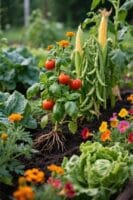


When is the best time to water plants for maximum efficiency? Early morning between 5 a.m. and 9 a.m. is ideal, minimizing evaporation and aiding deeper root uptake. This timing supports water conservation and steady soil moisture, measured with a simple probe to 2–4 inches depth. Avoid mid-day watering when evaporation rates spike, which wastes up to 30–50% of applied water in hot conditions. Evening watering can work, but avoid prolonged leaf wetness to reduce fungal risk. Vegetable gardens benefit most from early irrigation, allowing roots to absorb water before heat increases transpiration. Monitor local temperature and humidity, adjust schedules when evapotranspiration rises above 0.2 inches per day, and conserve water by timing applications for maximum plant uptake. Remember that battery fairy lights with remote control are versatile for outdoor use, providing decorative ambiance without needing a power outlet.
Use Targeted and Efficient Irrigation Systems

Although larger landscapes often rely on sprinklers, targeted systems deliver water where it is needed most. Drip irrigation places small tubes at the soil surface, delivering 0.5–2 gallons per hour directly to plant roots, reducing waste by up to 50% compared to overhead systems. Soaker hoses seep water slowly along their length, useful for beds with closely spaced plants; run them 30–60 minutes per session, twice weekly, adjusting for rainfall. Smart controllers come to the rescue by altering schedules based on recent weather and measured moisture, conserving water while avoiding overwatering. Routine checks for leaks, clogged emitters, and correct pressure (10–30 psi typical) maintain efficiency. Combine drip lines with occasional hand-watering for new native plants to improve establishment. Utilizing self-fusing silicone tape can enhance the durability of irrigation systems by providing strong, water-tight seals on any leaks that may occur, ensuring consistent water delivery.
Recommended Products
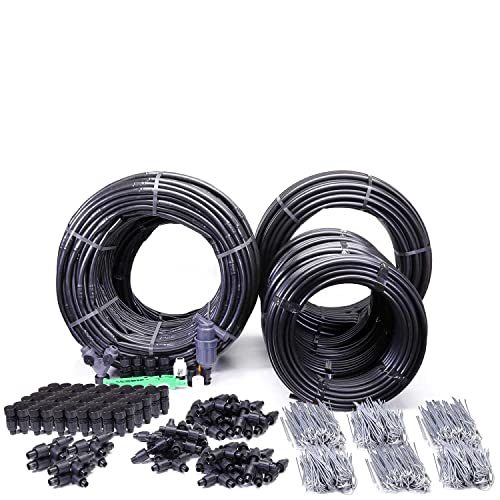

3/4" Mainline Tubing Allows Higher Flow and Longer Rows

Along with 20 x Drip Tape Row Starts + 20 x Drip Tape End Plug + 3 x Drip Tape Couplers + 10 x 1/4" Goof Plugs (1 x 10 pack) + 1 x Punch Tool + 100 x 1/2" Hold Downs - (1 x 100 pack) + 1 x Galcon Bluetooth Flip Open LCD Timer + 1 x Galcon Alternator Valve + 2 x 10 PSI Pressure Regulator. Ideal for Row Crops and Garden Beds needing low pressure, low volumes of water.
Mulch and Improve Soil for Better Moisture Retention

Three simple soil treatments can dramatically reduce watering needs and help plants thrive. Mulch with 2–4 inches of shredded woody mulch or straw to lower evaporation, keep soil cool, and extend time between waterings by improving moisture retention. Add compost to the top 4–6 inches seasonally, mixing 10–20% by volume into soil to increase organic matter and water-holding capacity for roots. Incorporate leaf mold as a supplement; it can hold up to 500% of its weight in water, come to the rescue during dry spells. Combine practices for best results, monitor soil moisture with a probe or finger test 2–4 inches deep, and adjust mulch depth if pests or excess wetness appear. These steps support water conservation and sustainable gardening goals. For outdoor projects, consider using heavy-duty duct tapes that provide strong, weather-resistant adhesion to ensure your gardening setup is secure against weather conditions.
Recommended Products

Purchase Patriot's RED & WHITE STRIPED Electric Cord now and EXTEND YOUR CHIPPER’S WARRANTY 1 YEAR.

Shredded rubber mulch looks like real wood mulch

Superior Quality: Experience premium, long needle pine mulch for unmatched landscaping results.
Choose Drought-Tolerant and Native Plants

After improving soil structure and adding mulch to retain moisture, selecting plants that need less water makes conservation more effective. Gardeners should prioritize native plants, which are adapted to local climates and often cut water needs by a significant amount compared with exotic varieties. Choose drought-tolerant plants like succulents, lavender, and ornamental grasses; these come to the rescue during dry spells and may reduce irrigation up to 50%. Plant a mix to enhance water efficiency, spacing according to mature width, typically 12–36 inches for shrubs and 6–12 inches for perennials. Consider water needs when grouping plants, use drip irrigation at 0.5–1.0 gallons per hour emitters, and favor species that resist pests, reducing chemical inputs for healthier ecosystems. Adding battery operated lights with remote can enhance evening garden aesthetics, providing flexibility and convenience without additional water consumption.
Recommended Products

Tailored for the West: Designed specifically for elevations below 7,000 feet in regions like Colorado, Utah, and Montana, this mix thrives in diverse western climates.

First Quality Native Wildflower Seeds – Current Lab Test Data Shown on Packet

First Quality Native Wildflower Seeds – Current Lab Test Data Shown on Packet
Collect Rainwater and Reduce Lawn Area

When space or budget limit municipal watering, homeowners can install rain barrels to capture roof runoff for garden use. A single rain barrel can collect up to 60 gallons, and linking ten barrels or multiple downspouts can capture roughly 600 gallons per large storm. To conserve water, reduce lawn area by 50% or more, replacing turf with beds of drought-resistant plants that cut irrigation needs up to 75%. Use permeable surfaces like gravel, permeable pavers, or native ground cover to improve infiltration and reduce runoff. Install a screened rain barrel, an overflow to a swale, and a spigot for gravity-fed irrigation, 1/2-inch hose-compatible. Incorporating eco-friendly weeding tools into your gardening routine can further enhance sustainability, as they are often made from sustainably sourced materials and require no chemicals. This approach integrates collect rainwater methods with landscape change for sustainable gardening, lowering municipal demand and maintenance.
Recommended Products

Large Water Tank: Whether you're camping, preparing for emergencies, or living off the grid, rely on this 160-gallon water tank to meet your liquid storage needs

Water On Demand: Save water naturally for your lawn and garden using this faux wood rain barrel to collect rainwater from the gutter, made of durable plastic that resists weather and UV damage

Generous Capacity: Ample collecting and storing space with a 50-gallon capacity rain barrel with a 4-inch planter top
Frequently Asked Questions
What Technique Is Used in the Garden to Conserve Water?
A gentle restraint: drip irrigation, rainwater harvesting and mulch application quietly conserve water. Xeriscaping benefits and native plants enhance soil moisture retention, while greywater reuse offers subtler supply augmentation, ensuring gardens flourish with restrained abundance.
What Is the 70/30 Rule in Gardening?
The 70/30 rule in gardening allocates 70% to water-wise plant selection and efficient watering while reserving 30% for higher-needs species, balancing soil moisture, drought resistance, irrigation timing, and overall climate adaptability for resilient landscapes.
What Are the 5 R’s of Water Conservation?
Like a well-tuned orchestra, the five R’s are Reduce, Reuse, Recycle, Respect, Replenish. They encompass Rainwater harvesting, Greywater recycling, Drip irrigation, Mulch application, Soil amendments, Plant selection and Xeriscaping principles for efficiency.
How Can Sustainable Agriculture Conserve Water?
Sustainable agriculture conserves water by adopting drip irrigation and rainwater harvesting, enhancing soil moisture via mulching benefits and cover crops, selecting native plants and water efficient crops, and building climate resilience through adaptive management practices.


