As an Amazon Associate, we earn from qualifying purchases. Some links on this site are affiliate links at no extra cost to you. Our recommendations are based on thorough research and editorial judgment.


Different Lawn Edging Styles and Their Maintenance Requirements

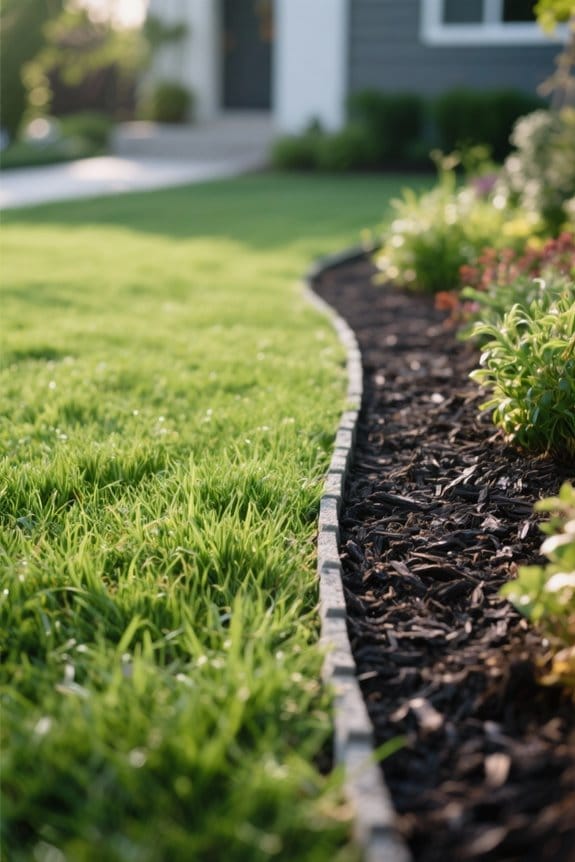
Different lawn edging styles offer practical trade-offs for upkeep and appearance. Trenched soil edges use 3–4 in. deep cuts, cost little, and need regular re-cutting to hold shape. Metal strip edging (0.08–0.12 in. steel) gives a low-profile barrier, stakes every 24–36 in., minimal trimming. Corten or powder-coated steel stands 4–6 in. tall, needs annual inspection for shifts. Stone, pavers, and brick require a compacted base and jointing. Living edges use shrubs or grasses, lower water but need pruning; continue for installation tips and plant lists.
Key Takeaways
- Trenched soil edges are inexpensive and natural-looking but require periodic re-cutting to maintain depth and prevent turf invasion.
- Metal strip edging (steel/aluminum) offers a durable, low-profile barrier with minimal upkeep beyond occasional shifting checks.
- Corten or powder-coated steel creates crisp, 4–6″ borders needing annual inspection for corrosion or movement.
- Stone and paver borders are heavy, stable, and low-maintenance, needing only weed control and occasional joint re-sanding.
- Rustic wood or woven panels provide a natural aesthetic but require annual sealing and replacement of rotten sections.
Trenched Soil Edges: Soft, Natural Boundaries
You may be interested


Practicality guides the choice of trenched soil edges for a tidy yet natural boundary. Trenched soil edges form narrow excavated lines about 3 to 4 inches deep, creating natural boundaries between lawn and garden beds without added materials. This method supports an organic aesthetic, allowing roots to intermix while limiting turf grass invasion. Regular maintenance is required. Periodic re-cutting comes to the rescue when turf grass creeps over the trench, preserving defined borders. It is cost-effective and simple to install, adaptable to curves or straight beds for flexible design. For technical clarity, the trench depth deters root infiltration, and the edge width should suit mower clearance. Home gardeners benefit from low material cost and predictable upkeep. Regular maintenance practices ensure that trenched soil edges remain effective and visually appealing over time.
Metal Strip Edging: Sleek and Low-Profile

Where trenched soil edges create a soft, natural boundary, metal strip edging offers a clean, low-profile alternative that holds form over time. Metal edging, typically 0.08–0.12 inch (2–3 mm) steel or aluminum, is flexible enough to form curves and straight runs for garden beds, producing a modern aesthetic. Installation is easy: drive 4–6 inch (10–15 cm) strips into the soil every 24–36 inches (60–90 cm), using a mallet and stakes when needed. It is durable against foot traffic and mower impacts, and galvanized finishes resist rust. Maintenance is minimal; inspect quarterly for shifting, clear debris, and trim grass touching the edge. For varied landscape designs, the sleek design keeps boundaries crisp with little ongoing effort. In addition, high-density polyethylene (HDPE) materials are commonly used in shade sails for their UV resistance, ensuring long-lasting color and durability.
Recommended Products

Do it once, do it Right! Edge Right is the ultimate hammer-in edging. Instead of cheap plastics it's comprised of heavy duty 16-gauge COR-TEN steel.

Customize Your Garden - OLLE's 12-in-1 modular kit means you can assemble 12 possible size and shape that fits your unique home garden space, the planter box comes with 4 corner panels and 4 short side panels, and 4 long panels, choose your optimal configuration based on the layout of your gardening area

Durable & Long-lasting: Crafted for endurance, the galvanized raised garden bed are constructed from 0.8mm thick Q195 galvanized metal sheets, enhanced with a robust double-layer galvanized coating. Reinforced joints ensure superior pressure resistance, minimizing the risk of loosening and deformation, thereby guaranteeing years of reliable use. When compared to standard rectangular strawberry planter with a mere 0.3mm thickness, these supplies stand out as the optimal choice for durability.
Corten and Powder-Coated Steel Edging: Modern, Weathered Looks

A pair of steel options—Corten and powder-coated—offer distinct looks and long-lived performance for edging. Corten steel edging develops a rust-like patina, creating a weathered look that blends with plantings and stone. Powder-coated steel edging comes in colors, giving a modern look and added rust resistance. Both form clean lines for garden borders, typically 4–6 inches tall and 10–20 gauge thick, ideal for containing turf and mulch. Installation is straightforward, using stakes, a rubber mallet, and 12–18 inch anchor spikes, so DIY projects are practical for most homeowners. They are durable materials requiring low maintenance; inspect annually for shifts or corrosion and tighten anchors as needed, which helps preserve function and appearance. For those seeking heat-treated blades for their lawn edgers, opting for high-quality, durable options ensures longevity and efficient performance.
Stone and Paver Borders: Durable Masonry Options

Steel edging gives a clean, modern line, while stone and paver borders bring a heavyweight, masonry option that suits traditional and formal landscapes. Stone and paver borders provide robust edging, often 4–8 inches high and 3–6 inches deep for stability. Durable materials include natural stone, concrete pavers, and cut slabs, chosen by color and texture to match garden beds and lawn. Installation needs a compacted 4–6 inch base of crushed stone, a 1 inch layer of sand, and tight jointing to resist shifting. Maintenance is low once set, occasional weed control, re-sanding joints, and replacing a displaced unit. Custom patterns and soldier courses add visual interest, improving appearance and property value while preventing grass encroachment. Rust-resistant finishes like stainless steel or powder coat ensure the longevity of these masonry elements, especially in wet climates.
Recommended Products

DURABLE AND ECO-FRIENDLY: Crafted from 100% recycled PPE plastic, our gravel paver system delivers exceptional strength and longevity; This set includes 11464 units with a 1-inch depth, covering an area of 4350 square feet

STAYS IN PLACE - Our edging stays securely in place, keeping mulch and other materials from migrating into other areas of your landscape for a pollished look

Easy installation – Install garden edging border quickly with our patent-pending connection system. Simply hammer spikes to secure for a stable it firmly in place. Ideal for landscape edging border projects.
Brick, Reclaimed Materials, and Terracotta Trim

Install brick, reclaimed materials, or terracotta trim to create defined edges that balance durability and style. Brick edging is durable and classic. Lay bricks on a 4–6 inch compacted base, slope slightly for drainage, and tuck sand between joints to prevent shifting. Reclaimed materials add rustic charm and eco-friendliness. Inspect reused pieces for rot or cracks, treat wood with preservative, and anchor irregular shapes to guarantee stability. Terracotta trim benefits from its porous nature, aiding drainage and root health. Set terracotta on firm sand, seal in freeze-prone areas, and clean annually to preserve aesthetic appeal. Maintenance requirements include periodic cleaning, seasonal inspections after outdoor elements exposure, and resealing or repairs every 3–7 years depending on climate. For repairs on outdoor materials, consider using a waterproof repair tape that performs well under extreme conditions to ensure longevity.
Rustic Wood, Logs, and Woven Panels
After brick and terracotta options offer hard, long-lasting borders, rustic wood can come to the rescue for gardeners seeking a softer, natural edge. Logs and planks, 4–6 inches thick and set 2–4 inches into soil, form defined borders that aid soil containment and visual appeal. Woven panels, made from willow or hazel, bend to curves and install on stakes every 12–18 inches for stability. Natural aesthetic requires regular maintenance, such as sealing or staining annually, to limit rot in outdoor environments. Reclaimed wood provides an eco-friendly choice, offering character while reducing waste. Inspect edging twice yearly, replace any rotten sections, and guarantee panels remain tensioned to prevent sagging and keep beds tidy. Additionally, using carbon steel blades can enhance the durability of your edging solutions by effectively cutting through dense turf and roots, ensuring clean and precise borders.
Recommended Products

Complete Garden Fence Set Includes 12 matching metal fence panels to create a unified, decorative border around flower beds, walkways, or landscaping elements in your yard or garden.

Realistic Rock Appearance: Provides a natural stone look to complement your garden and outdoor spaces.

Effortless Installation – Dig-free installation! Simply align, slide together, and secure with 19.5-inch anchoring spikes. This is perfect for landscape border, garden border edging, and flower bed border, making your project quick and hassle-free.
Gravel, Pebble, and Loose-Material Edging
A band of gravel or pebbles creates a loose, informal edge that is simple to install and adjust. Gravel edging helps prevent grass encroachment into beds, and offers a clean appearance with minimal maintenance. Use 2–4 in. depth and 6–12 in. width for most borders, compacting a 2–3 in. crushed stone base first for stability. Loose materials like pea gravel or river stone allow color and size choices to match garden design. Drainage improvement is a clear benefit, directing water away and supporting soil health by reducing pooling. Periodic topping up, typically annually, keeps the edge uniform. Remove weeds promptly, and install a 4–6 in. weed barrier fabric if persistent growth threatens the gravel. Lawn edgers are crucial tools for maintaining clean and precise edges around your garden, enhancing the overall appearance and preventing grass from encroaching into your gravel borders.
Living Edges: Evergreen Hedges and Vertical Planting
Gravel edges can be complemented by living borders that offer year-round structure and habitat, especially where a softer line is desired. Evergreen hedges define garden boundaries and provide year-round green, with classic boxwood low hedges as a common choice for formal edges. Vertical planting on trellises or fences adds depth, using climbing plants like clematis or ivy to enhance privacy and act as windbreaks. Maintenance needs include occasional pruning to maintain shape, typically 2–3 trims yearly, and attention to soil health to prevent erosion. Species selection depends on climate conditions and desired height; choose shrubs tolerant to local frost and drought. These living edges improve aesthetics, support habitat for wildlife, and reduce maintenance overall. Bias tape makers are known for their versatility in fabric types, which allows for creative designs in sewing projects, similar to how varied plant choices can enhance garden aesthetics.
Frequently Asked Questions
What Is the Best Low Maintenance Landscape Edging?
Corten steel and aluminum rank best for low maintenance landscape edging; the material options balance durability factors, aesthetic appeal, cost comparison, installation techniques, environmental impact, DIY projects, border plants, trends styles suggesting minimal upkeep and long life.
What Type of Lawn Edging Is Best?
Metal edging is often best: sleek steel sheaths borders like moonlight on grass, balancing lawn edging materials, installation techniques, decorative options, budget considerations, environmental impact, color choices, shapes and designs, versatility factors, seasonal maintenance, DIY tips.
How Do You Maintain Grass Edging?
Maintain grass edging by regular grass trimming with appropriate edging tools; adjust maintenance frequency for grass growth, environmental factors and soil type; inspect edging materials, perform seasonal care, enforce weed prevention, and promote overall lawn health.
What Is the Longest Lasting Landscape Edging Option?
Absolutely monumental: concrete curbing is the longest lasting landscape edging option, combining durable materials, proven installation techniques, landscape longevity, aesthetic appeal and weather resistance; it rivals eco friendly options, cost effective choices, seasonal durability, color compatibility and design versatility.